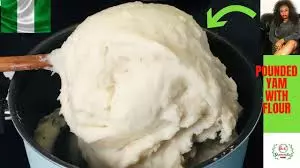
Pounded Yam Flour – The Easiest Way to Enjoy Authentic African Delights
Hey, let me tell you something—if you’ve ever tried making pounded yam from scratch, you already know how much effort it takes, right? The peeling, boiling, pounding—it’s a whole workout! But guess what? That’s where pounded yam flour comes in. It’s literally a game-changer.
You just add hot water, stir, and boom—you’ve got yourself a steaming bowl of smooth, stretchy, and delicious pounded yam in minutes. Let’s dive into why this flour is such a big deal, especially if you love African food or just want something new and easy to prepare.
What is Pounded Yam Flour?
Okay, so picture this—you love pounded yam, but you don’t have a mortar and pestle or an extra hour to spare. Pounded yam flour is your shortcut. It’s made from real yam that’s peeled, sliced, dried, and ground into fine powder. That means you’re still getting the original yam taste, just without the stress.
It’s mostly sold in sealed packets, and you can store it easily in your pantry. It lasts a while and only needs hot water to transform into the thick, stretchy dough-like meal we all love to eat with egusi or ogbono soup.
How is Pounded Yam Flour Made?
You might be wondering, “Wait, if it’s flour, how do they make it taste like real pounded yam?” Great question! The process is actually quite clever:
- Harvesting – They start with fresh white yam tubers.
- Peeling & Washing – The yams are peeled and thoroughly cleaned to remove any dirt or sand.
- Slicing – The yams are thinly sliced for faster drying.
- Drying – The slices are sun-dried or oven-dried until all moisture is gone.
- Grinding – Once completely dry, the yam slices are milled into fine powder.
That’s it—no chemicals, no preservatives, just pure yam in a more convenient form.
Benefits of Using Pounded Yam Flour
So here’s the part where I tell you why everyone is switching to pounded yam flour. It’s not just for the lazy cook—there are real benefits:
1. Time-Saving and Convenient
Let’s be real—pounding yam the traditional way takes forever. With pounded yam flour, all you need is boiling water and a strong spoon. In less than 5 minutes, you’ve got your meal ready. Perfect for busy families, students, or even bachelors.
2. Consistent Texture Every Time
You know how sometimes, when you pound yam manually, you end up with lumps or it’s too hard or too soft? Yeah, none of that with the flour. You get smooth, stretchy, lump-free pounded yam—just like Mama used to make (maybe even better.
3. Long Shelf Life
Fresh yams don’t last very long unless you refrigerate them, and even then, they can go bad. Pounded yam flour stays good for months in a cool, dry place. You don’t have to worry about spoilage.
4. Easy to Store and Carry
You don’t need a fridge or fancy storage—just keep the flour in its original pack or an airtight container. And if you’re traveling or living abroad, it’s much easier to carry around than actual yam tubers.
5. Nutritious and Filling
Yam is rich in carbohydrates, fiber, vitamins, and minerals. So you’re still getting all that goodness. It fills you up fast and gives you energy that lasts.
How to Prepare Pounded Yam Flour (Step-by-Step)
Alright, let me walk you through the easiest way to prepare this magic flour. It's literally foolproof:
- Boil clean water in a pot. Don’t let it cool—use it while it's boiling hot.
- Turn off the heat and slowly pour in the pounded yam flour while stirring constantly.
- Use a strong wooden spoon or spatula to stir the mixture vigorously.
- Keep stirring until it becomes stretchy and lump-free. If it's too soft, add a little more flour. If it’s too hard, sprinkle in some more hot water and keep stirring.
- Once smooth, cover and allow it to steam for 2–3 minutes before serving.
That’s it! Serve it hot with any soup of your choice—egusi, efo riro, okra, ogbono—you name it.
Best Soups to Enjoy with Pounded Yam Flour
If you're wondering what soup pairs best, honestly, pounded yam flour is super versatile. But here are the top favorites:
- Egusi Soup – Rich, nutty, and packed with flavor.
- Ogbono Soup – Slimy and savory, a perfect match.
- Efo Riro – Spicy spinach stew loaded with proteins.
- Oha or Bitterleaf Soup – Earthy and traditional, especially in Eastern Nigeria.
- Okra Soup – Smooth and slightly slimy, it goes down easily with pounded yam.
Who Should Use Pounded Yam Flour?
If you're still on the fence, let me tell you who this flour is perfect for:
- Busy moms who don’t have time for pounding
- Students living in dorms or hostels
- Nigerians in the diaspora who miss home food
- Fitness buffs looking for healthy carbs
- Anyone who wants a quick African meal
Whether you're making dinner for the family or prepping for a party, pounded yam flour will always deliver.
Pounded Yam Flour vs. Real Pounded Yam – Is There a Difference?
Now, let’s be honest here—some people will argue, "It's not the same!" And yeah, technically, fresh pounded yam made from scratch does have a slightly different aroma and taste. But unless you're doing a blind test, most people can't tell the difference.
In fact, many restaurants and caterers secretly use pounded yam flour and no one even notices. That says a lot.
Tips for Buying Quality Pounded Yam Flour
When you go to the market or shop online, here’s how to pick the good stuff:
- Check the expiry date
- Go for trusted brands (like Ola-Ola, Ayoola, Poundo)
- Look for 100% yam flour on the label (some mix with potato starch—avoid those)
- Feel the pack to ensure no lumps or moisture
Storage Tips
Once you open the packet:
- Keep it in an airtight container
- Store in a cool, dry place
- Avoid moisture at all costs—it can cause mold
If you store it properly, you can enjoy fresh-tasting pounded yam flour for months.