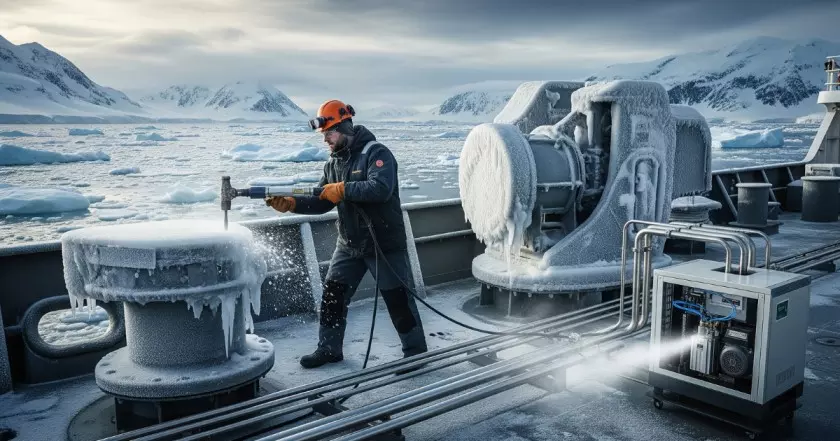
How Pneumatic Technology Supports Marine Safety in Cold Environments
Working at sea is challenging in any weather but in cold environments, those challenges multiply. Ice buildup, freezing winds, and sub-zero temperatures can compromise both human safety and vessel performance.
For ships operating in Arctic routes, offshore drilling, or polar research missions, safety equipment must remain reliable even when exposed to extreme cold. This is where pneumatic technology plays a crucial role providing dependable, low-maintenance solutions for critical marine safety systems.
Why Pneumatic Systems Are Ideal for Cold Marine Conditions
Pneumatic systems use compressed air to power mechanical operations. In cold marine environments, they offer several key advantages over electrical or hydraulic systems:
- No Freezing Liquids – Unlike hydraulics, pneumatic systems use air, which doesn’t freeze in sub-zero temperatures.
- Low Fire Risk – Pneumatics reduce the chance of electrical sparks in flammable environments.
- Reliable in Moist Conditions – Resistant to water ingress and corrosion with proper maintenance.
- Simple Maintenance – Fewer moving parts mean fewer points of failure, even in harsh weather.
These qualities make pneumatics a go-to technology for safety-critical equipment at sea.
Applications of Pneumatic Technology in Marine Safety
1. Lifeboat and Davit Operations
In emergencies, lifeboats must deploy quickly and reliably — regardless of temperature. Pneumatic-powered davit systems ensure smooth lowering and launching, even when mechanical parts are exposed to ice and snow.
Benefit: Air-powered systems remain functional without the risk of hydraulic fluid thickening or freezing.
2. Hatch and Door Control Systems
On cargo ships and offshore platforms, watertight hatches and bulkhead doors are vital for crew safety. Pneumatic actuators can open and close these doors securely, even if electrical systems fail during severe weather.
Benefit: Maintains watertight integrity in storms and icy conditions.
3. Emergency Shutdown Systems (ESD)
In offshore oil and gas operations, ESD valves and controls prevent accidents. Pneumatic actuation ensures that these systems operate instantly when triggered — unaffected by cold temperatures or saltwater exposure.
Benefit: Adds fail-safe reliability to high-risk operations.
4. Icebreaker and Deck Equipment
From icebreaker bow doors to anchor winches, pneumatic systems power essential deck machinery. Their ability to function without temperature-sensitive fluids makes them ideal for polar vessels.
Benefit: Uninterrupted operation in freezing, high-pressure environments.
How Pneumatic Technology Improves Crew Safety
Beyond equipment reliability, pneumatics directly contribute to human safety at sea:
- Reduces Manual Effort – Air-powered tools and systems limit the need for crew to operate heavy equipment manually in freezing conditions.
- Minimizes Exposure – Remote-controlled pneumatic systems keep crew sheltered from harsh weather during operations.
- Supports Emergency Response – Reliable safety systems ensure that lifeboats, alarms, and fire suppression systems function when needed most.
Real-World Example: Arctic Supply Vessels
A supply vessel servicing Arctic oil rigs replaced its hydraulic lifeboat davits with pneumatic-powered models. After multiple seasons, the crew reported zero cold-weather failures, faster launch readiness, and reduced maintenance costs — all while operating in temperatures below -30°C.
Choosing the Right Pneumatic Systems for Marine Use
When selecting pneumatic machinery for cold marine environments, consider:
- Material Durability – Use corrosion-resistant metals and marine-grade seals.
- Moisture Control – Install air dryers to prevent internal ice formation.
- Pressure Regulation – Maintain optimal operating pressure for consistent performance.
- Regular Maintenance – Check hoses, valves, and actuators for wear.
Partnering with a marine pneumatic machinery provider ensures your systems meet international safety standards and are customized for your vessel’s needs.
Conclusion
From lifeboat launches to emergency shutdowns, pneumatic technology offers a dependable solution for marine safety in cold environments. Its resistance to freezing, low maintenance needs, and operational reliability make it an essential part of modern vessel design.
For marine operators navigating icy waters, investing in high-quality pneumatic systems is not just about efficiency — it’s about protecting lives, equipment, and operations in some of the most dangerous conditions on Earth.