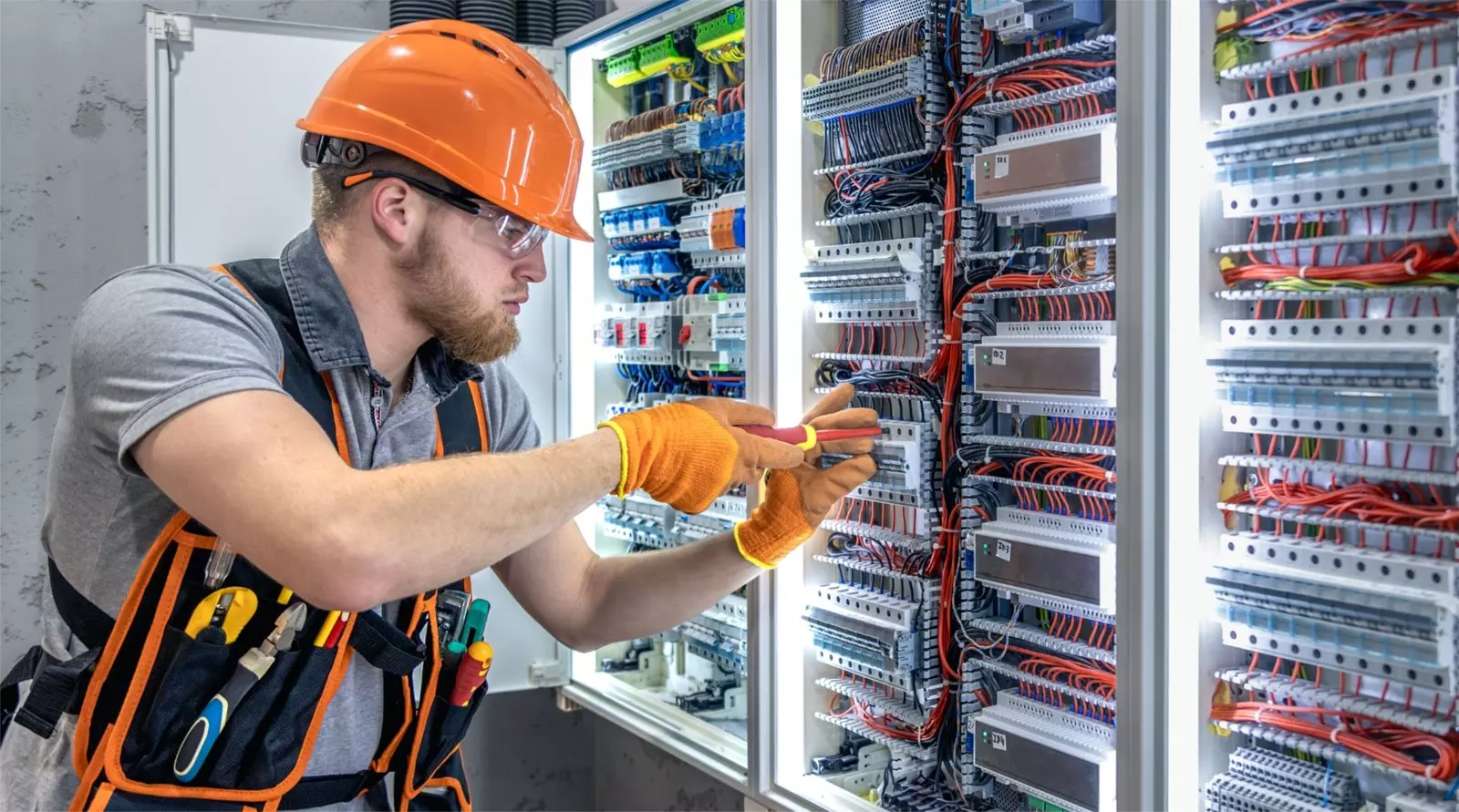
Planning a Safe and Effective Electrical Installation
A well planned electrical system is essential for a safe and functional property. Whether wiring a new building, renovating an existing space or adding electrical equipment to a room, the installation needs to accommodate both current requirements and future use.
Electrical work involves much more than connecting sockets and light fittings. Circuit design, cable routes, protective devices, lighting, appliances and testing all need to be considered as part of the wider installation.
Planning these elements properly can help create a system that is practical, reliable and suitable for everyday use.
Start With the Property's Electrical Requirements
Every property has different electrical demands. A small home office may require only a few sockets and lighting points, while a modern household can have numerous appliances, heating systems, chargers and electronic devices operating throughout the day.
The first step is therefore to understand how the space will be used.
Consider the Main Requirements
A basic installation plan may need to account for:
- Lighting points
- Power sockets
- Fixed appliances
- Heating equipment
- Outdoor electrical points
- Data and communication equipment
- Future electrical requirements
Thinking about these requirements before installation begins can reduce the need for disruptive alterations later.
Designing the Electrical Layout
The position of electrical points can make a noticeable difference to how convenient a property is to use. Poorly positioned sockets can lead to excessive extension leads, while inadequate lighting can make everyday activities more difficult.
Furniture and room layouts should be considered when deciding where electrical points should be installed.
Plan Around How Each Room Will Be Used
Different rooms naturally have different requirements.
A kitchen may need power points for several appliances and additional lighting over working areas. A home office may require convenient access for computers, monitors and other equipment. Bedrooms may need sockets positioned around likely furniture arrangements.
Planning each room individually can create a more practical overall system.
Understanding Electrical Circuits
Electrical installations in are divided into circuits so that different parts of the property can operate safely and effectively.
The circuit arrangement depends on the property's size, electrical demand and equipment requirements.
Why Circuit Planning Matters
A suitable design can help:
- Distribute electrical loads appropriately
- Reduce unnecessary overloading
- Allow individual circuits to be isolated
- Support different types of equipment
- Make future maintenance easier
The appropriate circuit design should be determined by the property's requirements and applicable electrical standards.
Lighting Installation
Lighting is both a practical and design consideration. A single central light may provide basic illumination, but additional lighting can make a room considerably more functional.
Different Lighting Purposes
An installation may include:
- General room lighting
- Task lighting
- Accent lighting
- Outdoor lighting
- Security lighting
Controls can also be planned around how the room will be used. Separate switches or suitable dimming systems may provide greater flexibility where compatible equipment is selected.
Read: Is It Safe to Handle Electrical Repairs Without a Professional
Installing Sockets and Fixed Equipment
Sockets should be positioned where they are convenient without creating unnecessary cable clutter. Their locations should reflect the expected furniture and appliance arrangement.
Fixed electrical equipment may have additional requirements depending on the appliance and installation environment.
Think About Future Needs
It is worth considering how the property might be used several years from now. Additional technology, home offices, electric vehicle charging and other electrical equipment can increase demand.
Building some flexibility into the installation can make future changes easier.
Safety and Protective Devices
Safety is a fundamental part of electrical installation. Protective devices help reduce the risk associated with faults, overloads and other electrical problems.
The installation should incorporate appropriate protection based on its design and requirements.
Electrical equipment should also be installed correctly, with suitable components and appropriate connections.
A visually neat installation is not enough. The underlying electrical design and protection are equally important.
The Importance of Testing
Testing is an essential part of completing electrical work. It helps establish whether the installation has been carried out correctly and whether relevant protective measures are functioning as intended.
What Testing Can Help Identify
Depending on the installation, testing can help assess:
- Circuit continuity
- Insulation condition
- Protective measures
- Polarity
- Fault protection
- Operation of relevant devices
Appropriate documentation should also be provided where required for the work undertaken.
Working With Existing Electrical Systems
Adding new electrical work to an older property requires additional consideration. Existing wiring may have different characteristics from a modern installation, and previous alterations may not always be immediately obvious.
Before adding new circuits or equipment, the existing system should be assessed where appropriate.
Avoid Mixing Incompatible Components
An installation should work as a complete system. Simply connecting new equipment to old wiring without considering the condition and capacity of the existing installation can create problems.
Professional assessment can establish whether existing components are suitable for the proposed changes.
Planning Outdoor Electrical Work
Outdoor electrical installations require additional consideration because equipment can be exposed to moisture, weather and physical damage.
Outdoor lighting, sockets and other electrical equipment should be suitable for their intended environment and installed using appropriate methods.
Cable routes and protection should also be considered, particularly in gardens, driveways and other areas where cables could be damaged.
Choosing a Qualified Professional
Electrical work should be carried out by someone with the appropriate competence and qualifications for the work involved.
When comparing Electricians in Hayes, consider their experience, approach to safety, ability to explain the proposed work and willingness to provide relevant documentation.
A good professional should be able to discuss the installation clearly rather than simply providing a price without explaining what the work involves.
Avoiding Common Installation Mistakes
Poor planning can create unnecessary costs and disruption. Several common mistakes can be avoided by considering the complete installation before work begins.
Mistakes to Avoid
These include:
- Installing too few sockets
- Ignoring furniture layouts
- Underestimating electrical demand
- Adding circuits without assessing existing wiring
- Forgetting future requirements
- Treating testing as an optional step
Taking time during the planning stage can prevent many of these issues.
Maintaining the Electrical Installation
Electrical maintenance should continue after the installation has been completed. Homeowners and property managers should pay attention to changes such as unusual smells, buzzing sounds, flickering lights, damaged sockets or repeatedly tripping protective devices.
These symptoms should be investigated rather than repeatedly ignored.
Prompt attention can help identify developing problems before they become more serious.
Conclusion
A safe and effective electrical installation begins with careful planning.
The property's intended use, circuit requirements, lighting, sockets, fixed appliances, protective measures and future electrical demands should all be considered before work begins.
Existing wiring may also require assessment when extending or altering an older system, while testing provides an important final check of the completed work.
Electrical installation is not an area where shortcuts are worthwhile, as poorly planned work can create both safety risks and future costs.
Whether arranging an Electrical Installation or working with qualified Electricians, choosing a competent professional and planning the system around the property's actual requirements can provide a safer and more practical electrical setup.