Phlebotomy Training UK: From Classroom to Clinic — What to Expect
Starting a career in healthcare can be exciting and rewarding, and one of the fastest ways to get involved is through phlebotomy training UK. Whether you’re aiming for a role in the NHS or a private clinic, learning to draw blood safely and confidently is an essential skill.
If you’ve been searching for a phlebotomy course NHS or wondering about phlebotomist courses near me, this guide will walk you through everything from classroom learning to hands-on clinical experience so you know exactly what to expect.
Understanding Phlebotomy and Its Importance
Phlebotomy is the process of drawing blood for tests, transfusions, or donations. Although it might seem simple, it requires precision, confidence, and patient care.
A well-trained phlebotomist ensures patient safety, follows strict hygiene standards, and handles specimens accurately. That’s why phlebotomy training UK is so important. It gives you the technical skills and the interpersonal confidence needed for this role.
Completing a phlebotomy course NHS can also be your gateway to other clinical skills, such as iv cannulation and Venepuncture Training, expanding your opportunities in healthcare.
The Classroom Experience
Every phlebotomy training UK course starts with theory. Here, you’ll learn about:
- Anatomy and vein structure
- Infection control and hygiene
- Patient communication and consent
- Equipment handling and safety
- Blood collection procedures
Your instructors may also cover mandatory training topics, such as health and safety, equality, and data protection. Understanding the theory gives you confidence before you move on to practical exercises.
This phase often involves visual aids, videos, and interactive discussions. Many students find this is where their curiosity and excitement for clinical practice really grow.
Hands-On Practice: Developing Your Skills
The next step is practical training. Using simulation arms or vein pads, you’ll practice blood draws in a safe environment. This stage allows you to:
- Learn how to insert needles correctly
- Practice locating veins efficiently
- Build confidence in handling equipment
- Simulate real patient scenarios
Some courses also include cannulation course modules or iv cannulation practice, giving you extra skills that are highly valued in clinical settings.
Practicing in this environment is essential before you move on to real patients. It’s where mistakes are lessons, not risks.
Clinical Experience: Working With Real Patients
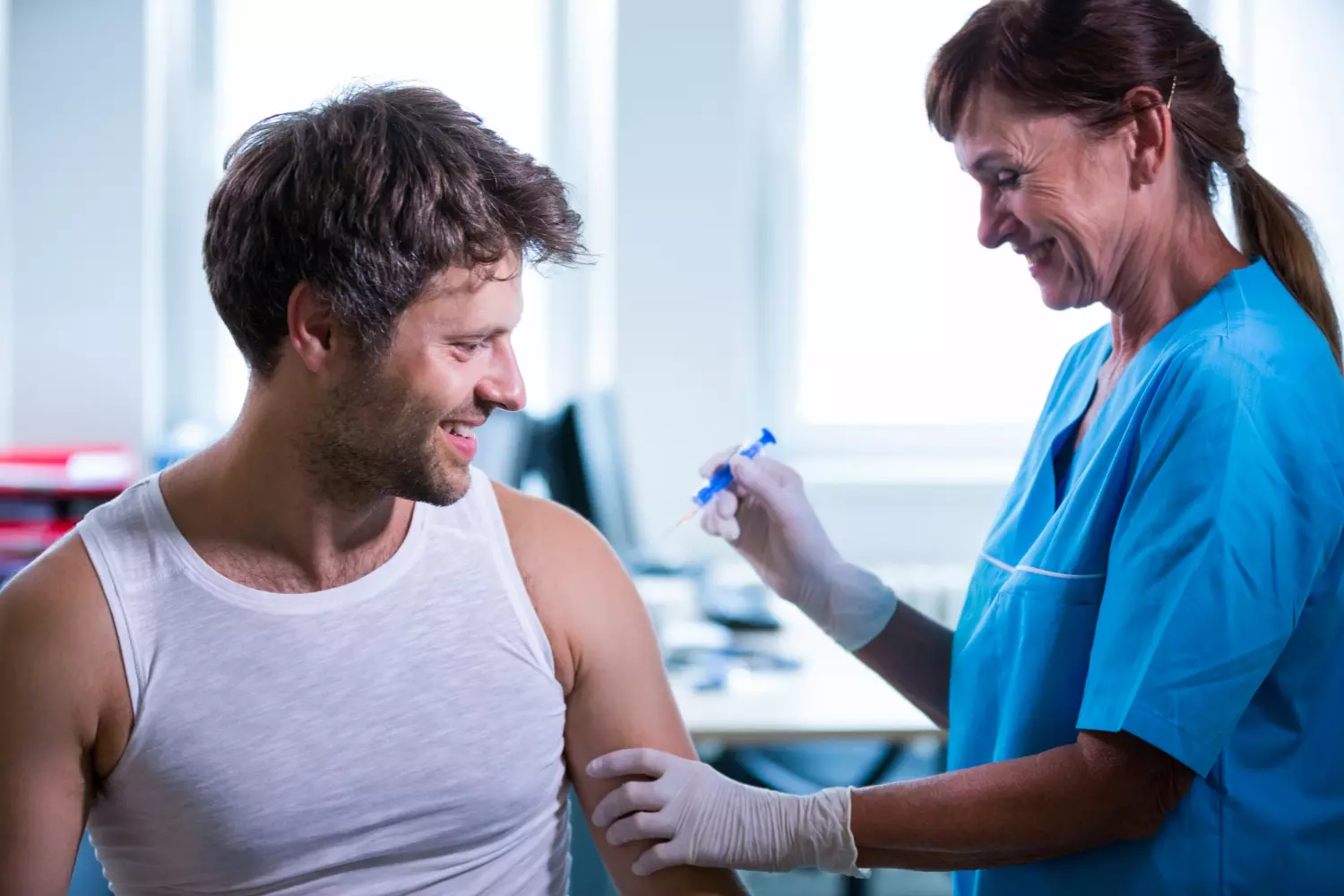
Once you’ve mastered the basics, you’ll progress to clinical placements. Here, you perform venepuncture and other procedures under supervision in hospitals, GP surgeries, or clinics.
Working with real patients can be intimidating at first. Everyone remembers their first successful blood draw it’s a huge confidence boost. You’ll learn to adapt to different vein types and patient needs while maintaining professionalism and calm.
During this phase, you also handle specimen labeling, storage, and documentation all critical for patient safety and accuracy in labs.
Certification and Assessment
To complete your phlebotomy course NHS, you’ll be assessed on both theory and practice.
Assessments often include:
- Written exams covering anatomy, hygiene, and protocols
- Practical evaluations of your blood collection skills
Passing these assessments earns you a recognised certificate, which opens doors to jobs in the NHS or private clinics. Many students then choose to add Venepuncture Training or a cannulation course to their qualifications, boosting career prospects further.
Career Opportunities After Training
After completing phlebotomy training UK, several career paths are available:
- Working as a phlebotomist in hospitals or clinics
- Supporting as a healthcare assistant with enhanced blood collection skills
- Joining blood donation services
- Working in research labs collecting samples
Adding iv cannulation to your skills can make you more versatile, especially in high-demand environments like emergency departments or outpatient clinics.
Real-Life Experience: A Personal Perspective
Many learners find phlebotomy training UK both challenging and rewarding. Take Sarah, for example. She started terrified of needles but, through consistent practice and supportive instructors, she became confident in drawing blood and calming anxious patients.
This transformation is common. Training isn’t just about technical skill; it’s about developing patience, empathy, and professionalism. Your classroom and clinical experiences will build not only competence but also a sense of pride in your work.
Choosing the Right Training Provider
Selecting the right course is crucial. Look for providers that offer:
- Experienced instructors
- Well-equipped practical labs
- Clinical placement support
- Optional courses like cannulation course or Venepuncture Training
Accredited providers ensure your phlebotomy training UK meets healthcare standards. When searching for “phlebotomist courses near me,” always check reviews, course content, and certifications.
Combining Phlebotomy and Cannulation Skills
Adding iv cannulation or a cannulation course alongside phlebotomy training can dramatically increase your employability. Cannulation allows for IV fluid administration, and combining this with venepuncture skills makes you a valuable team member in hospitals and clinics.
Employers often prefer candidates who complete mandatory training, Venepuncture Training, and additional cannulation modules because it shows initiative and dedication to patient care.
Final Thoughts
A phlebotomy training UK programme is more than a course it’s a stepping stone into a rewarding healthcare career. From theory in the classroom to hands-on practice and clinical placements, you’ll gain technical skills, confidence, and experience.
By the end of your phlebotomy course NHS, you’ll not only have a certificate but also the satisfaction of helping patients every day. Adding cannulation course or iv cannulation skills further enhances your career prospects.
Every healthcare professional starts where you are now curious and ready to learn. Take the first step, and your journey from classroom to clinic begins today.