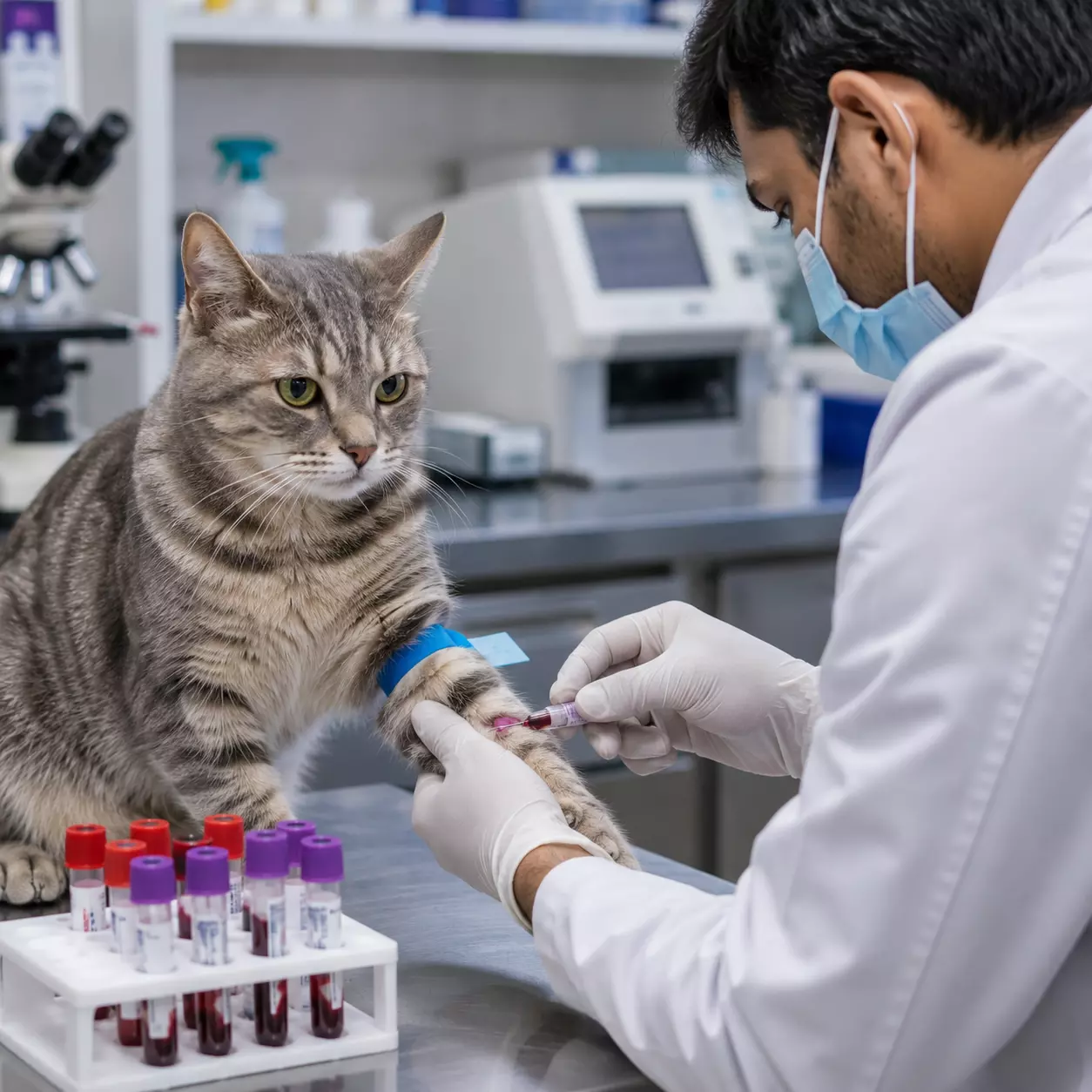
Pet Laboratory Testing: Essential Diagnostics for Dogs and Cats
If your pet is sick, one key step in aiding recovery is identifying what is wrong with your animal. While a veterinary examination of your pet will provide some useful insight, many medical problems necessitate some advanced tests in order to know the precise nature of an illness.
A modern Pet laboratory is crucial for identifying various diseases, monitoring those that have already advanced, and helping veterinarians make the right treatment decision.
Current veterinary medicine requires the use of advanced technologies to diagnose various conditions that a pet may suffer from at an early age to provide adequate treatment in time.
Whether the pet needs a health check, emergency diagnostics, or an advanced method of diagnosis, access to various medical pet facilities makes it possible to speed up the process of diagnosis.
What is a lab for pets?
A lab for pets is a unique veterinary lab that specializes in testing blood, urine, stool, tissue specimens, and other samples taken from animals. This testing delivers information that a physical examination cannot uncover.
Veterinary testing is used to identify infections, monitor organ performance, discover parasites, test hormone levels, detect chronic health conditions, and check health status. Laboratory services benefit both healthy pets getting preventive wellness care and sick pets receiving urgent treatment.
With the help of advanced laboratory instrumentation, veterinarians obtain accurate results from tests performed on animals and make treatment decisions accordingly.
Why lab testing matters for pets
Pets can’t tell their owners when they are suffering. Many kinds of illnesses develop over time and do not present visible symptoms.
Regular testing brings a number of advantages:
- Starts diagnosis before symptoms appear
- Allows the detection of infections in a short time
- Assesses the condition of the liver and kidneys
- Identifies diabetes and hormonal imbalance
- Helps monitor chronic diseases
- Measures the function of the immune system
- Assists in finding the right anesthesia before surgery
- Helps to check the recovery process after recovery
Quick diagnosis enables easier treatment and fewer complications.
Common Lab Tests in Veterinary Clinic
Modern veterinary laboratories perform many kinds of tests which depend on the health condition of a pet.
Complete Blood Count: A CBC checks the amount of red blood cells, white blood cells, and platelets. It helps determine:
- Anemia
- Infection
- Inflammation
- Blood diseases
- Immune diseases
- Blood Chemistry
Tests define whether the organs work properly and provide information about:
- Liver performance
- Kidney performance
- Glucose in the blood
- Electrolytes
- Proteins
- Pancreas work
These tests help especially older pets and pets with chronic diseases.
Urinalysis refers to urine testing for many purposes. The following diseases may be diagnosed by urinalysis:
- Urinary tract infections
- Kidney disease
- Diabetes
- Bladder stones
- Fluid levels
- Fecal Examination
Fecal examinations are used to check for intestinal parasites like worms and minor organisms in both pets and humans. Cytology and Microscopic Evaluation
Skin tumors, skin samples, and tissue samples can be examined microscopically for infections, inflammation, or abnormal cells.
Diagnostic procedures can include:
- Heartworm disease
- Infectious diseases associated with ticks
- Feline leukemia
- Feline immunodeficiency virus (FIV)
- Canine parvovirus
- Pancreatitis
Many veterinarians have access to an in-house laboratory, while others do not have such a laboratory available.
The Importance of Modern Pet Medical Facilities:
Advanced Pet medical facilities have become more than mere clinics providing examination rooms. It is a combination of modern technology, qualified veterinary personnel, and efficient diagnostic service under one roof.
Currently, pet hospitals feature the following modern technologies:
- In-house laboratories
- Figurative Radio waves
- Ultrasound diagnostics
- Surgical operations
- Pharmacy services
- Emergency facilities
- Pet dental care
- Health programs
Having different services in one spot saves time for people and speeds up the beginning of the treatment process. With the modern laboratories available, there
Read: A Guide to Caring for Rescue Pets
How a Pet Radiology Hospital Supports Accurate Diagnosis
Many illnesses cannot be diagnosed through laboratory testing alone. A professional pet radiology Hospital complements laboratory services by providing detailed images of your pet's internal structures.
With the help of digital radiology, veterinarians can assess:
- Bones
- Joints
- Chest
- Lungs
- Heart
- Abdomen
- Spine
- Teeth
Radiographs can be useful in the following cases:
- Fractures
- Arthritis
- Accidental ingestion of foreign bodies
- Enlargement of the heart
- Pulmonary diseases
- Tumor
- Urolithiasis
- Abdominal pain
The advantages of digital imaging give veterinarians the ability to consider the results and promptly initiate treatment.
Diagnostic Imaging and Laboratory Tests in Disease Diagnosis. In many cases, both lab tests and diagnostic imaging are required to make a complete diagnosis.
For example:
To find out the cause of vomiting in a dog, laboratory tests (blood tests) are needed to check whether the organs function properly, and X-rays are necessary to find out whether there is an obstruction in the intestines.
In order to detect tumors or other problems, cats that lose weight need laboratory tests as well as imaging of the thorax or abdomen. A dog that limps will typically undergo blood tests to rule out infection and then an X-ray to evaluate the limb.
Using different kinds of diagnostic means together improves the diagnosis and allows for making better treatment plans.
Many pet owners think that laboratory testing is needed only when the pet is
It is often recommended by veterinarians to have lab tests done yearly or every six months. Senior dogs, senior cats, pets suffering from chronic illnesses,
pets receiving medication for extended periods of time, patients being prepared for surgeries, and animals that underwent treatments in the past are all included in this recommendation.
- Diagnosis is crucial for early intervention and treatment of illnesses.
- One of the key benefits of veterinary diagnostic services is prompt results.
- Many diagnostic labs provide results in a matter of hours or minutes rather than days.
- Quick diagnosis helps the veterinarian to take prompt measures.
- Emergency situations are the most critical ones when urgent attention is required.
- In choosing veterinary services, pet owners should think about the quality of services.
Some important factors to consider are:
- experienced veterinarians
- advanced methods of performing diagnostics
- high-quality machinery
- availability of emergency care
- wellness programs for pets
Ensuring the availability of all necessary facilities will help you receive timely treatment for your pet.
Summary
The correct diagnosis is critical in successful veterinary practice. An up to date pet lab provides all types of testing needed for early detection of diseases, tracking existing conditions, and assisting in devising personalized treatment plans.
With modern pet medical facilities and a professional pet radiology hospital, these diagnostic services make it possible for a veterinarian to provide better care to dogs and other pets.
Choosing a reliable veterinary hospital galt with complete laboratory and imaging services is key in ensuring your pet receives quality care, whether they need regular wellness screening, emergency examination, or continuous medical surveillance.