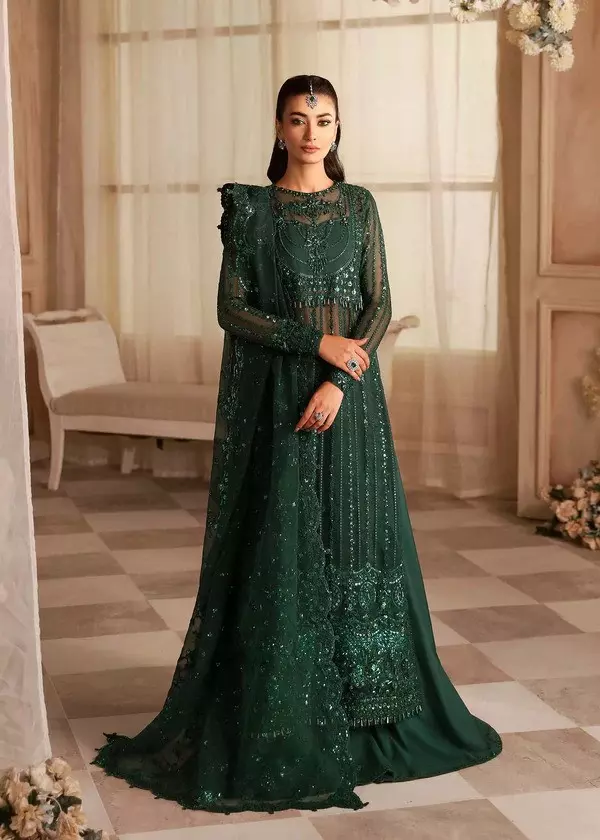
Pakistani Formal Dresses for Women: Tradition Refined Through Fashion
In Pakistan, dressing for formal occasions is more than a choice it's an expression of identity, family values, and social connection. Pakistani women's attire, especially for formal events, stands as a representation of elegance shaped by culture.
These garments are celebrated for their detailed craftsmanship, meaningful designs, and their ability to connect generations through fabric and tradition. Whether chosen for a wedding, festive gathering, or cultural celebration, formal dresses in Pakistan are woven with history, creativity, and grace. In this post, we explore the timeless charm of Pakistani wedding formal dresses, examine their unique materials, and look closely at how they continue to inspire admiration both locally and abroad.
The Cultural Place of Formal Attire in Pakistan
In Pakistani life, clothing carries deeper significance than just aesthetic appeal. What a woman wears to a gathering often reflects respect for occasion, family values, and inherited customs.
Origins of Pakistani Formal Clothing
Pakistan's formal wear draws heavily from its past. Clothing once worn by royal courts—such as flowy skirts, embellished shirts, and traditional pants—has shaped today’s wardrobe choices. These looks have changed over time but remain rooted in familiar styles that are respected across the country.
While modern updates are visible in color, shape, and styling, the foundation remains anchored in traditional silhouettes. Whether it’s the tailoring or the decorative techniques, each part of a Pakistani formal outfit carries cultural depth.
Dress as a Reflection of Social Understanding
Wearing appropriate clothing in social settings is seen as a way to participate respectfully in the event. For weddings especially, clothing reflects not only the wearer’s taste but also their understanding of tradition. Pakistani wedding formal dresses often mark important life moments and are treated with emotional attachment.
These dresses may later be saved, restored, or handed down for future generations to wear or remember. The act of dressing formally becomes part of a larger family narrative.
Wedding Dress Styles in Pakistani Tradition
Weddings in Pakistan are held over multiple days, and each day brings its own customs, atmosphere, and dress code. Women often prepare several outfits, each suited to a different celebration such as the mehndi, baraat, and walima.
Lehenga and Choli: A Defining Bridal Look
The lehenga-choli outfit is recognized for its full, flared skirt paired with a fitted blouse. The top is often heavily decorated, while the skirt moves beautifully with every step. This style is chosen frequently by brides for its grandeur and traditional link. Popular fabric choices include silk, chiffon, and brocade, while decoration often involves gold thread, mirror accents, and stone detailing. This style remains popular across regions for its dramatic presence and celebration-ready silhouette.
Gharara and Sharara: A Classic Ensemble
Two-piece outfits such as ghararas and shararas have long been associated with Pakistani weddings. The gharara is fitted at the thigh and flares at the knee, while the sharara is wide and free-flowing from the waist. These pieces are usually worn with short tops and richly adorned scarves. Many families choose these styles for events like the engagement or nikah due to their traditional look and comfortable shape. Their origin lies in northern heritage but they’ve been embraced all over Pakistan.
Floor-Length Frocks and Anarkalis
For those seeking a look that is graceful yet modest, floor-length frocks and Anarkali styles are common choices. These dresses offer movement and formality while remaining easy to carry throughout long functions. Designs may include flowing panels, fitted bodices, and layers of net or lace. While they are simpler than bridal outfits, they still make a strong visual impact through color, embroidery, and structure.
Understanding the Craft: Materials, Techniques, and Tones
Pakistani formal clothing is recognized for its attention to every detail—from the choice of base fabric to the final decorative layer. Each garment is shaped not just by style, but by the parts that make it whole.
Choosing the Right Fabric for the Event
Fabrics in formal clothing do more than cover the body—they set the tone for the entire look. Commonly used materials in Pakistani formal wear include:
- Chiffon: Thin and flowing, ideal for softer outlines and elegant motion.
- Silk: Smooth and rich in texture, perfect for creating a polished look.
- Organza: Slightly stiff and sheer, often used for layers or detailing.
- Velvet: Thick and soft to the touch, best suited for winter gatherings.
Each material contributes its own personality to the outfit. Fabric selection often depends on climate, occasion, and personal style.
Embellishments That Define Pakistani Design
Hand-applied work is a major part of Pakistani wedding formal dresses. Artists use age-old methods to place thread, beads, sequins, and other accents onto fabric. These techniques require time and precision and are valued for their uniqueness.
Types of decoration include:
- Metallic thread stitched into patterns
- Colored thread used to form flowers or borders
- Foil ribbons for shine and movement
- Small mirrors for light-catching detail
- Stonework or pearls added by hand
Such work adds both weight and depth to the clothing. These elements are chosen to suit the dress’s purpose, whether it’s a daytime ceremony or an evening celebration.
Color Choices Across Events
Color plays an important role in Pakistani dressing. Different shades may signal different occasions or family traditions. For brides, red has long been the central color for marriage celebrations. Other popular tones include dark green, navy blue, and deep burgundy.
More recently, many women have turned to lighter palettes such as pastel pink, ivory, or even pale lavender. Even within one outfit, designers often combine contrasting colors. A bright top may be paired with a neutral skirt, or the scarf may have metallic borders to reflect lighting at the venue.
Putting It All Together: Style, Modesty, and Tradition
In Pakistan, clothing is worn with intention. A formal dress is not chosen randomly—it’s selected to balance tradition, comfort, and beauty. Every part of the outfit, from the sleeves to the shoes, plays a role in how it’s received.
Accessories to Complete the Look
Traditional jewelry is often worn with formal clothing. Earrings, necklaces, and headpieces reflect cultural pride and add refinement. Women may also wear bangles, rings, and embroidered handbags for a finished look. Footwear varies depending on the event. Flat shoes such as khussas are common, though many opt for heeled sandals for added height and structure.
Dress with Respect
Modesty remains a defining feature of Pakistani women's fashion. Even when outfits are elaborate, they are designed to offer full coverage. Sleeves, higher necklines, and long hemlines are normal features. Scarves are often used both for tradition and for creating an elegant drape. Tailoring is important too. A properly measured outfit offers movement and poise. Ill-fitting clothing may distract from the overall appearance, while a well-sewn dress helps carry the occasion gracefully.
Final Thoughts:
Pakistani clothing tells more than a fashion story it speaks to cultural identity, family legacy, and personal celebration. With each piece stitched by hand or selected with care, Pakistani wedding formal dresses show the time, patience, and pride invested in dressing for life's most meaningful moments.
Even as styles change and preferences evolve, the heart of Pakistani fashion stays the same honoring its past while moving into the future. Whether worn for weddings, holidays, or cultural events, formal dresses continue to shine as symbols of beauty, dignity, and deep-rooted tradition.
Read More: dzinsights