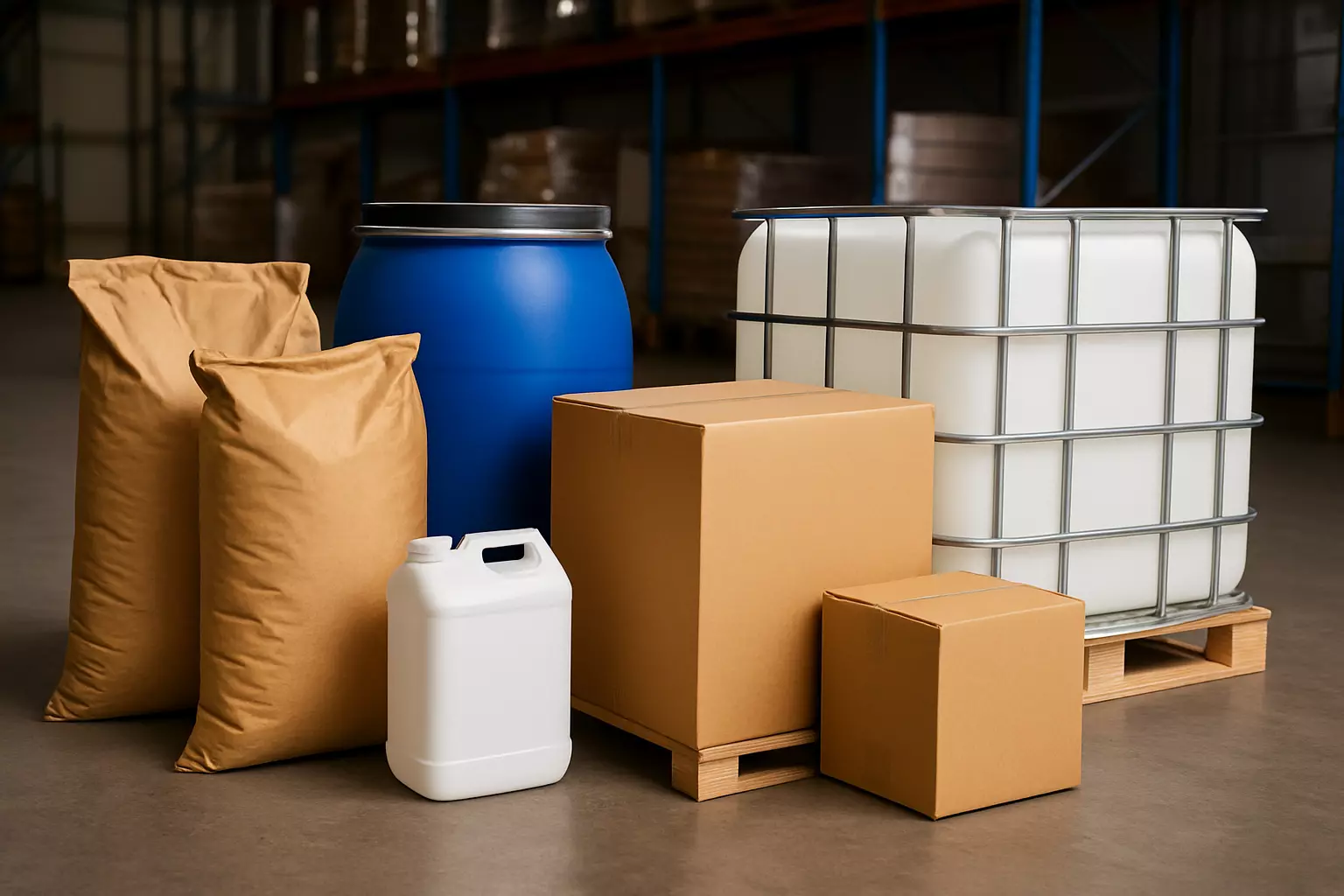
Packaging Materials for Bulk Products
Introduction
Packaging plays an important role in keeping products safe, fresh, and ready for use. When it comes to bulk products, the choice of packaging material becomes even more important. Bulk products are items that are packed and transported in large quantities instead of small retail packs.
These can include food grains, sugar, cooking oil, chemicals, cement, medicines, and automotive parts. Because they are stored and moved in big amounts, they need strong and reliable packaging to avoid damage, loss, or contamination.
In this article, we will explore what bulk products are, why they need special packaging, and which packaging materials are commonly used. We will also look at how packaging can improve supply chains, reduce costs, and support a greener future.
Why Bulk Products Need Special Packaging
Bulk products often travel long distances and are handled by many people before they reach their final destination. If the packaging is weak, products can spill, break, or get spoiled. This not only causes financial loss but also creates safety risks for workers and customers.
Special packaging for bulk products ensures:
- Protection from moisture, heat, and dust
- Strength to carry heavy weight
- Safety for handling and transportation
- Efficiency in storage and stacking
For example, grains like rice or wheat must be packed in strong sacks that prevent moisture from entering. Chemicals need special containers that can resist leaks and corrosion. Similarly, automotive parts require heavy-duty crates that can hold sharp or heavy items without breaking.
Common Packaging Materials for Bulk Products
Different industries use different packaging materials depending on the type of product. Here are some of the most common ones:
1. Plastic Packaging
Plastic is one of the most widely used materials for bulk products. It is lightweight, waterproof, and cost effective. Large plastic bags or woven sacks are used for grains, fertilizers, and powders. Plastic containers and drums are common for storing liquids like oils, chemicals, and cleaning solutions. Plastic films are also used to wrap and secure items on pallets.
2. Metal Packaging
Metal is very strong and long lasting. Steel drums, aluminum containers, and tin cans are often used for liquids, chemicals, and oils. Metal packaging protects products from extreme temperatures, moisture, and external pressure. In many industries, metal drums are a trusted choice for bulk storage and shipping. Industrial Packaging often uses such strong materials to make sure goods reach safely without loss.
3. Paper and Corrugated Packaging
Paper-based packaging is eco-friendly and affordable. Corrugated boxes, paper sacks, and cartons are commonly used for dry bulk items like flour, sugar, and processed food. Corrugated sheets can be layered for extra strength and are easy to recycle. Many businesses prefer this material because it is light and reduces shipping costs.
4. Wooden Packaging
Wooden crates, boxes, and pallets are used for heavy goods such as machinery, tools, and automotive parts. Wood is durable and can carry very high weight. It is often used when products need to be shipped across long distances or stored for a long time. Wooden packaging is also easy to stack in warehouses, which saves space.
5. Glass Packaging
Glass is less common but is still used for certain bulk items like chemicals, oils, or liquids that need protection from contamination. Glass containers are airtight and can preserve product quality. However, they are heavy and can break easily, so they are used only when necessary.
Benefits of the Right Packaging Material
Choosing the right packaging material for bulk products gives many benefits:
- Reduces damage: Strong packaging prevents loss during handling and transport.
- Saves costs: Proper materials reduce waste and make storage more efficient.
- Supports safety: Protects workers and customers from harmful exposure.
- Improves shelf life: Some materials preserve freshness and quality.
- Eco-friendly options: Recyclable and reusable materials reduce environmental impact.
For example, a company that ships grains in moisture-proof sacks will have less spoilage, while one that transports chemicals in sealed metal drums will avoid leaks and accidents.
Future of Bulk Product Packaging
With growing trade and global supply chains, the demand for better packaging materials is increasing. Companies are now looking for sustainable and smart solutions. Biodegradable plastics, recycled paper, and reusable crates are gaining popularity. Some industries are also using smart packaging with tracking devices and sensors to monitor products during transport.
In the future, packaging materials will need to be not only strong and cost effective but also eco-friendly and innovative. This will help industries reduce waste, cut down shipping costs, and meet global environmental standards.
Conclusion
Packaging materials for bulk products are the backbone of safe and efficient trade. From plastics and metals to wood and paper, each material serves a unique purpose. The right choice depends on the type of product, the distance it needs to travel, and the storage conditions.
Strong and reliable packaging protects goods, saves money, and supports a cleaner planet. As industries grow and customer needs change, packaging will continue to evolve, offering safer and greener solutions for bulk products.