Online vs In-Person Fitness Coach in the UK: Which Is Better?
Choosing the right fitness coaching approach can make a significant difference to your health, strength, confidence, and long-term progress.
With online training becoming increasingly popular, many people are wondering whether virtual coaching offers the same benefits as working with a trainer face-to-face. Both options have advantages, and the best choice depends on your goals, budget, lifestyle, and preferred way of learning.
For anyone looking to improve their fitness, lose weight, build muscle, or establish a consistent exercise routine, understanding the differences between online and in-person coaching is an important first step. This guide explores both approaches to help you decide which one suits your needs.
Understanding Online Fitness Coaching
Fitness coach in uk allows clients to receive personalised exercise programmes, nutritional guidance, progress tracking, and ongoing support through digital platforms. Communication usually takes place through video calls, messaging applications, email, or dedicated fitness apps.
One of the biggest advantages is flexibility. You can exercise at home, in a local gym, or while travelling, depending on your programme.
This arrangement is particularly useful for busy professionals, parents, students, and people who struggle to fit regular gym visits into their schedules.
Online coaches can also provide workout demonstrations, instructional videos, and progress reviews.
These resources make it easier to follow a structured plan independently. However, success requires motivation, organisation, and the ability to perform exercises safely without constant supervision.
Understanding In-Person Fitness Coaching
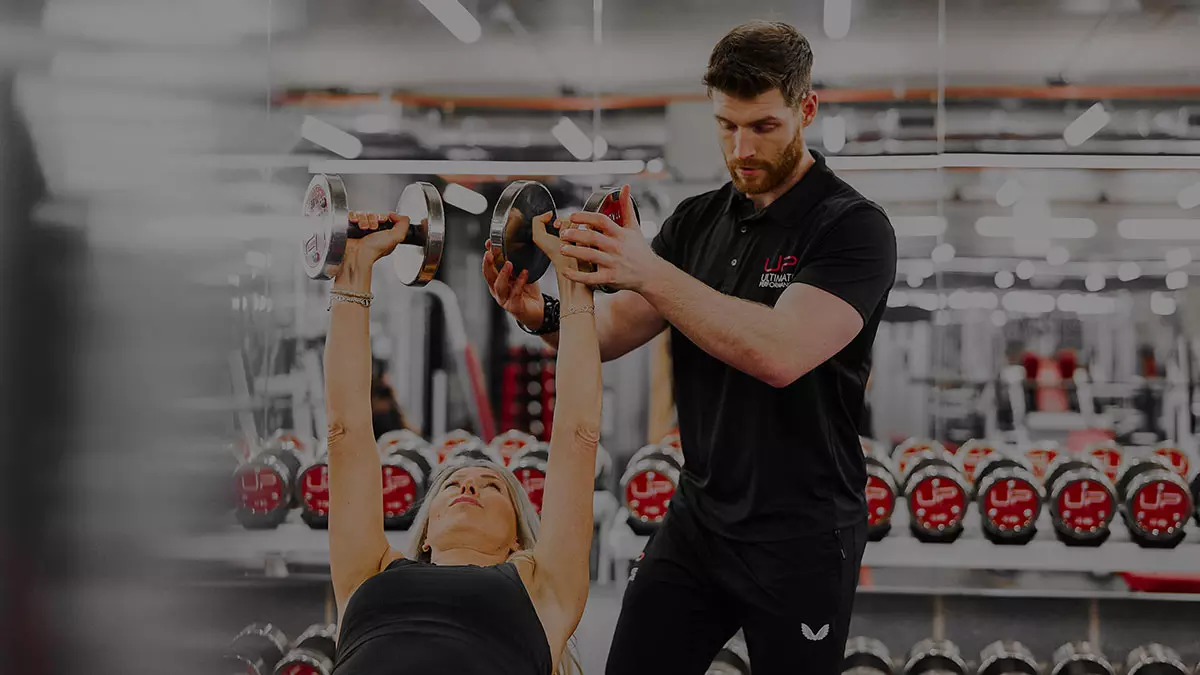
In-person coaching involves working directly with a trainer at a gym, fitness studio, private facility, or another suitable training location. The coach observes your movements, demonstrates exercises, and provides immediate feedback throughout your session.
This hands-on approach can be particularly beneficial for beginners who are unfamiliar with exercise techniques. A trainer can identify common mistakes, suggest appropriate modifications, and help clients develop confidence when using equipment.
Face-to-face sessions also create a more structured training environment. Knowing that a coach is expecting you at a specific time can encourage accountability and reduce the temptation to skip workouts.
Although in-person coaching offers valuable personal attention, it requires travel, appointment scheduling, and access to a suitable training facility. These practical considerations may make it less convenient for people with demanding routines.
The Main Differences Between Online and In-Person Coaching
The primary difference lies in how support is delivered. Online coaching offers convenience and greater independence, whereas in-person coaching provides direct supervision and immediate physical demonstrations.
Here are the most important factors to consider.
1. Convenience and Flexibility
Online coaching is often the better choice for people who need flexibility. You can complete workouts at a convenient time without travelling to meet your trainer. This can save time and make it easier to maintain a regular routine.
In-person coaching generally requires you to attend scheduled sessions. Although this arrangement may feel restrictive, a fixed appointment can help establish consistency and make exercise a priority.
If your schedule changes frequently, online training may be more practical. If you prefer a dedicated appointment that keeps you accountable, face-to-face sessions may be more suitable.
2. Cost and Overall Value
The cost of coaching varies according to the trainer's qualifications, experience, location, services, and level of personalisation.
Online programmes may be more affordable because coaches can support clients remotely and offer different levels of service. Some packages include customised workouts, regular check-ins, and nutritional guidance without requiring individual live sessions every time.
In-person coaching may cost more per session, particularly in larger UK cities where gym facilities and operating expenses can be higher. However, the additional investment may be worthwhile for clients who benefit from close supervision.
Rather than comparing prices alone, consider what each package includes. Personalised programming, communication frequency, progress reviews, and the coach's experience all influence overall value.
Read: Yoga India Teacher Training: A Complete Journey Toward
3. Personal Attention and Exercise Technique
In-person training has a clear advantage when immediate movement correction is important. A coach can observe your posture, demonstrate proper technique, and adjust exercises based on your performance.
Online coaches can also assess technique through live video sessions or recorded workout reviews. However, the quality of feedback depends on camera positioning, video clarity, communication, and the coach's ability to identify movement issues remotely.
Beginners, people learning complex lifts, and clients who feel uncertain about gym equipment may benefit from starting with face-to-face guidance. More experienced exercisers may find remote feedback sufficient for their needs.
4. Motivation and Accountability
Staying motivated is one of the biggest challenges in any fitness journey. Online coaching can provide regular check-ins, progress reports, reminders, and encouragement. These features help clients remain focused even when training independently.
In-person sessions offer a different type of accountability. A scheduled appointment and direct interaction with a trainer can make it easier to follow through, especially when motivation is low.
Neither approach guarantees success. Results depend on consistency, realistic goals, appropriate training, recovery, and communication with your coach.
5. Personalisation and Progress Tracking
Both coaching formats can provide personalised plans based on your current fitness level, exercise preferences, available equipment, and individual objectives.
Online coaching platforms may make progress tracking particularly convenient by allowing clients to record workouts, monitor performance, and share updates digitally. Coaches can then adjust programmes based on the information provided.
In-person trainers can evaluate progress during sessions and make immediate changes to exercises, resistance, or training intensity.
A quality coach should regularly review your progress instead of giving you a generic programme and leaving you to manage everything independently.
Which Option Is Better for Different Fitness Goals?
The right format depends on what you want to achieve.
Weight loss: Both options can work well when exercise is combined with sustainable nutrition habits, adequate sleep, and consistent activity. Online coaching offers flexibility, while in-person support may help people who need more direct accountability.
Muscle building: Experienced gym users may thrive with online programming and regular technique reviews. Beginners may benefit from face-to-face guidance when learning resistance exercises.
General fitness: Online coaching is convenient for improving cardiovascular fitness, strength, mobility, and everyday activity. In-person sessions are useful for people who prefer structured, supervised workouts.
Building confidence: If you feel uncomfortable in a gym or are unsure how to use equipment, in-person coaching can provide reassurance. Online coaching may be preferable if you feel more comfortable exercising at home.
Busy lifestyles: Remote coaching often works well for professionals, parents, and people who travel regularly because workouts can fit around changing schedules.
How to Choose the Right Fitness Coach in the UK
Finding a suitable coach involves more than deciding between online and face-to-face sessions. Look for relevant qualifications, practical experience, clear communication, and a coaching style that matches your preferences.
In the UK, you can check whether a trainer holds appropriate qualifications and professional registration, such as registration with CIMSPA where applicable. Ask about their experience with clients who have goals similar to yours.
You should also discuss your expectations before committing to a package. Find out how often the coach reviews your progress, how quickly they respond to questions, and whether they adapt programmes when your circumstances change.
A reliable fitness coach in uk should offer realistic expectations rather than promising instant transformations. They should also respect your limitations, explain exercises clearly, and encourage sustainable habits instead of extreme routines.
Consider arranging an introductory consultation before making a decision. This gives you an opportunity to discuss your goals, understand the coaching process, and determine whether you feel comfortable working together.
Can You Combine Online and In-Person Coaching?
Yes. A hybrid approach can offer the advantages of both formats.
For example, you might attend an in-person session each week to practise technique and review your programme, then complete the remaining workouts independently using an online plan.
Another option is to begin with face-to-face coaching and gradually move towards remote support as your confidence improves.
Hybrid coaching can be particularly helpful for people who want professional guidance without the cost or scheduling demands of frequent in-person sessions. The key is ensuring that the coach provides consistent communication and a clear plan for reviewing progress.
Why Choose TheHealthAndFitnessCoach?
TheHealthAndFitnessCoach is a brand to consider when exploring support for your personal fitness journey. When evaluating its services, look for information about coaching options, individualised training plans, nutritional guidance, and progress monitoring.
It is also worth checking the qualifications and experience of the coaches, the level of ongoing support available, and whether their approach suits your lifestyle.
Before choosing a package, clarify how sessions are delivered, what resources are included, and how your programme will be adjusted as your fitness improves. These details can help you decide whether the brand's services align with your goals and expectations.
Conclusion
Both online and in-person coaching can help you become stronger, healthier, and more consistent with exercise.
Online coaching is an excellent option for flexibility, convenience, and independent training, while in-person sessions offer direct supervision, immediate feedback, and structured accountability.
Ultimately, the best choice is the one that fits your budget, schedule, experience, and personal preferences.
Take time to compare coaching services, check qualifications, and ask questions before committing. With a suitable programme and a consistent approach, either format can help you make meaningful progress towards your fitness goals.