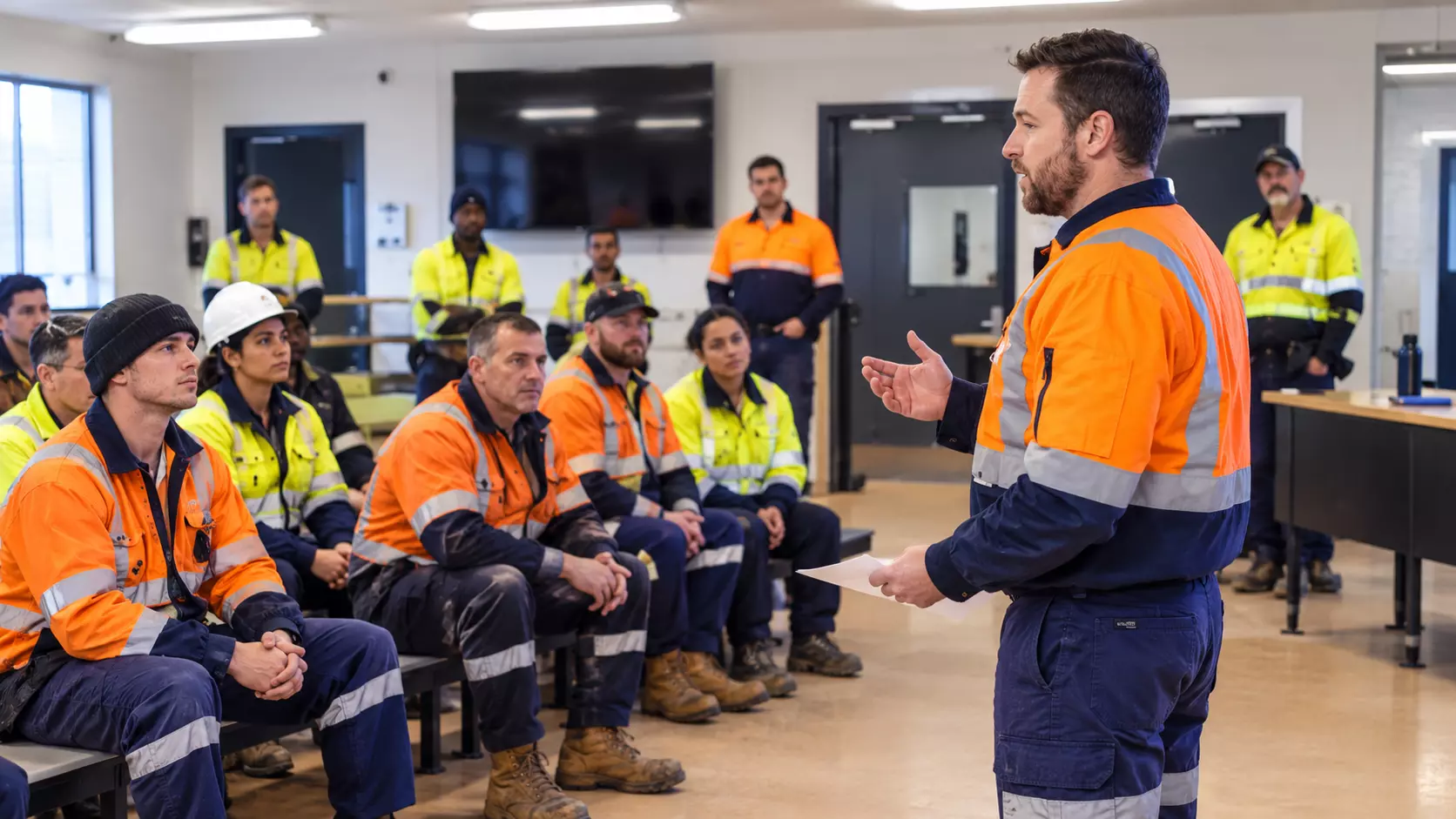
Online Fatigue Management Training: Building Safer and More Productive Workplaces
Fatigue may impact individuals from different professions, especially if the work requires them to work for a considerable time, work under varied shifts, take up challenging tasks, or lack sleep.
In organizations that seek to foster safe working conditions, online fatigue management training can equip individuals with flexible fatigue information that suits their career needs.
Understanding Online Fatigue Management Training
Beyond feeling exhausted at the end of the day, fatigue can affect an individual's ability to concentrate, react quickly, communicate, remember information, and make decisions. If this happens during working hours, it increases the risk of workplace errors.
Workers can be trained on what causes fatigue and why rest matters. Online training enables individuals to take up their coursework at their convenience without having to go to physical classroom training sessions.
Common Causes of Workplace Fatigue
Fatigue can develop for many reasons. Some relate to work schedules, while others involve lifestyle or personal circumstances.
Common contributing factors include:
- Overtime work
- Night or shift work
- Lack of sleep
- Difficult physical activities
- Repetitive jobs
- A high level of concentration required
- Bad work-life balance
- Erratic work schedule
- Insufficient rest while performing difficult activities
Recognizing these factors can help employees and managers identify situations where additional controls or adjustments may be appropriate.
Recognizing the Signs of Fatigue
Identifying early warning signs is an important part of maintaining workplace safety. Employees may experience physical, emotional, or cognitive changes when they are fatigued.
Some common symptoms include:
- Lack of concentration while performing activities
- Slow reaction time compared to normal
- Excessive yawning and fatigue
- Decreased attentiveness
- Irritability or mood change
- Forgetfulness
- Decreased motivation
- Difficulty in decision-making
Workers should take these warning signs seriously, particularly when their responsibilities involve patient care, machinery, driving, medication, or other safety-sensitive activities.
Practical Ways to Reduce Fatigue Risks
Fatigue management in the workplace is the process of identifying situations that may cause fatigue and then taking measures to mitigate these risks.
Firms can help their employees by ensuring adequate rest, assessing tough schedules, and remaining communicative about any fatigue issues.
Some potential solutions might be:
- Frequent breaks – Regular breaks can help employees stay focused during difficult periods.
- Evaluating working hours – Employers could assess how shift work and overwork affect fatigue.
- Promoting healthy sleep habits– Staff could learn the value of proper, sufficient sleep.
- Facilitating communication – Employees should feel free to speak up if they are too tired to work safely.
- Managing difficult tasks – Employers could evaluate tasks that require concentration.
These approaches can support a more proactive workplace safety culture.
Why Online Learning Can Be Useful
Because digital learning programs are easy to access, workers can study at a pace that fits their schedules. Online learning is therefore quite practical for professionals.
An online course can provide a structured way to explore important topics such as:
- Causes and effects of fatigue
- Signs and symptoms of fatigue
- Hazards at work
- Preventive measures
- Responsibilities of workers
- Responsibilities of employers
- Safe working methods
This type of knowledge can be relevant across healthcare, social care, administration, transport, hospitality, manufacturing, and other sectors.
Supporting Fatigue Awareness Across Teams
Fatigue awareness should be considered not only from the perspective of employees; managers and organizations also need to help create a safe work environment.
Work meetings may cover workload, scheduling, breaks, and reporting. Training sessions may also help individuals understand how their actions affect workplace safety.
For healthcare and care professionals, fatigue awareness may be especially important because individuals' decisions can affect others.
Building a Positive Safety Culture
A workplace safety culture develops when employees and managers understand their responsibilities and communicate openly about potential risks. Treat fatigue as a factor that can affect performance, not something employees should ignore.
Organizations can help workers identify when they are becoming tired and respond appropriately. Moreover, supervisors can assess working conditions to determine whether workers have enough opportunities to rest.
Training can support these efforts by giving employees a common understanding of fatigue-related risks and practical prevention measures.
Conclusion
Fatigue awareness training plays a pivotal role in ensuring a safer, more sustainable work environment. Fatigue training through online mediums helps participants learn about the most common reasons for fatigue, how to spot its symptoms, and ways to minimize associated hazards.
Through Care Learning, health and care professionals can access flexible, convenient learning resources.
Those who would like to learn more about training and development in health and care can explore the learning courses offered by Care Learning. For further information about Care Learning Australia, visit the following web page.