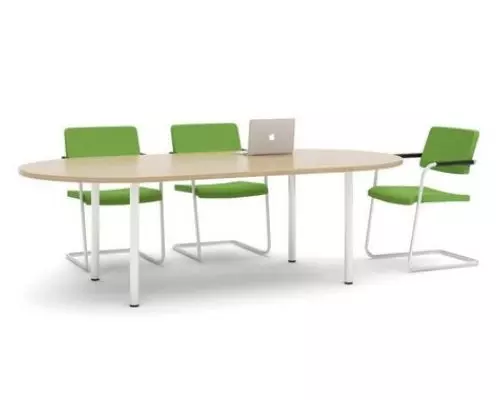
Office Meeting Tables That Shape Better Meetings and Stronger Teams
Meetings often fall short when the space does not support focus or teamwork. Poor layout, uncomfortable furniture, and limited space can distract teams and slow decisions.
As a result, time is wasted, and productivity drops. However, the right furniture can change everything. Well-designed office meeting tables create a central space where ideas flow, people stay engaged, and discussions remain clear.
They support posture, movement, and interaction throughout the meeting.
Furthermore, they help present a professional image to clients and partners. When businesses choose the correct table size, shape, and material, meetings become more effective and organised.
Why Office Meeting Tables Matter in Today’s Workplaces
Office meetings are no longer limited to long discussions in closed rooms. Today, they involve brainstorming, presentations, and quick team catch-ups. Therefore, the table at the centre of the room must support different working styles.
Office meeting tables help create a structured environment. They give everyone equal space and allow clear communication across the room.
In addition, they support technology use, such as laptops and screens, without clutter. A well-chosen table also improves comfort, which helps people stay focused for longer periods.
Moreover, meeting tables reflect company values. A clean, well-finished table shows professionalism and attention to detail. As a result, both employees and visitors feel confident in the space.
Key Benefits of Choosing the Right Office Meeting Tables
Selecting the correct meeting table is not only about appearance. It also affects daily operations and team performance.
Improved Team Interaction
Office meeting tables encourage face-to-face communication. Everyone can see and hear each other clearly, which reduces misunderstandings. As a result, discussions become more productive.
Better Use of Space
A table that fits the room well prevents overcrowding. It allows free movement while keeping the space organised. This balance is essential in busy offices.
Long-Term Comfort
Comfortable seating and proper table height support good posture. Therefore, teams remain engaged during longer meetings without discomfort.
Types of Office Meeting Tables for Different Needs
Not every meeting room serves the same purpose. Therefore, different table types suit different environments.
Rectangular Office Meeting Tables
Rectangular tables are the most common choice. They work well in formal meeting rooms and boardrooms. Furthermore, they allow clear seating arrangements and easy presentation setup.
Round and Oval Office Meeting Tables
These tables support open discussion. Since there is no head position, all participants feel equal. As a result, they are ideal for creative sessions and team discussions.
Modular Office Meeting Tables
Modular tables offer flexibility. They can be rearranged based on meeting size or purpose. Therefore, they suit offices with changing needs.
How Office Meeting Tables Support Productivity
Furniture directly affects how people work together. Office meeting tables play a central role in this process.
Firstly, they help organise materials and devices. Laptops, documents, and screens can be placed neatly. This organisation reduces distractions.
Secondly, a stable and spacious table improves confidence during presentations. Speakers can focus on their message rather than adjusting equipment.
Finally, meetings end faster when everyone feels comfortable and engaged. As a result, teams return to their tasks with clear direction.
Choosing the Right Size and Shape for Your Meeting Room
Before selecting office meeting tables, it is important to consider room size and layout.
Room Dimensions
Measure the room carefully. There should be enough space to move chairs and walk around the table. Ideally, leave clear pathways for easy movement.
Number of Participants
Choose a table that allows each person enough space. Crowded seating reduces comfort and focus. Therefore, always plan for future growth.
Shape Selection
Rectangular tables suit structured meetings. Meanwhile, round or oval tables support discussion. Select the shape that matches your meeting style.
Materials and Finishes That Last
Durability is essential when choosing office meeting tables. High-quality materials ensure long-term use and consistent appearance.
Wood and Wood Finishes
Wood offers warmth and strength. It suits both modern and traditional offices. Moreover, it resists daily wear when finished properly.
Metal and Mixed Materials
Metal frames provide stability and support. When combined with quality surfaces, they create a clean and professional look.
Easy Maintenance Surfaces
Meeting tables should be easy to clean. Smooth finishes help maintain hygiene and appearance, especially in shared spaces.
Office Meeting Tables and Workplace Image
The meeting room is often where first impressions are formed. Clients, partners, and visitors notice the furniture immediately. Office meeting tables contribute to a professional setting.
A well-designed table shows that the business values quality and organisation. Furthermore, it supports brand image without the need for decoration.
In addition, consistent furniture design across meeting spaces creates a unified workplace look. This consistency builds trust and confidence.
Ergonomics and Comfort in Meeting Spaces
Comfort should never be overlooked. Office meeting tables must support healthy posture and easy movement. The table height should match standard seating to prevent strain. Furthermore, leg space should be sufficient for all participants.
Comfortable meetings lead to better focus. As a result, discussions stay on track, and decisions are made efficiently.
Read: World Hope Qatar – Modern Office Furniture & Workspace
Planning Office Meeting Tables for Future Growth
Business needs change over time. Therefore, meeting furniture should support flexibility. Modular designs allow expansion or rearrangement.
This flexibility saves cost in the long term. In addition, durable materials reduce the need for frequent replacement. By planning ahead, businesses create meeting spaces that adapt without disruption.
Conclusion: Making the Right Choice for Your Workplace
Office meeting tables are more than functional furniture. They support teamwork, productivity, and professional image. By selecting the right size, shape, and material, businesses create meeting spaces that work for everyone.
Comfort, durability, and design should guide every decision. When chosen carefully, meeting tables become a long-term investment that supports daily operations and future growth.
Upgrade your meeting space with office meeting tables from Lismark Office Furniture, designed for comfort, durability, and professional impact that supports collaboration and long-term workplace success.