The New Generation of Tata Nexon EV: The Ultimate Guide to Range, ...: The Future of Smarter and Greener Mobility
The automotive industry is undergoing a major transformation, and at the heart of it lies the new generation of electric vehicles. These advanced EVs are not only cleaner alternatives to traditional cars but also smarter, faster, and more connected than ever before. With major improvements in battery performance, charging speed, and intelligent systems, the new-gen EVs are redefining what it means to drive efficiently and sustainably.
Read: Tata Nexon EV
1. Smarter Technology for a Seamless Drive
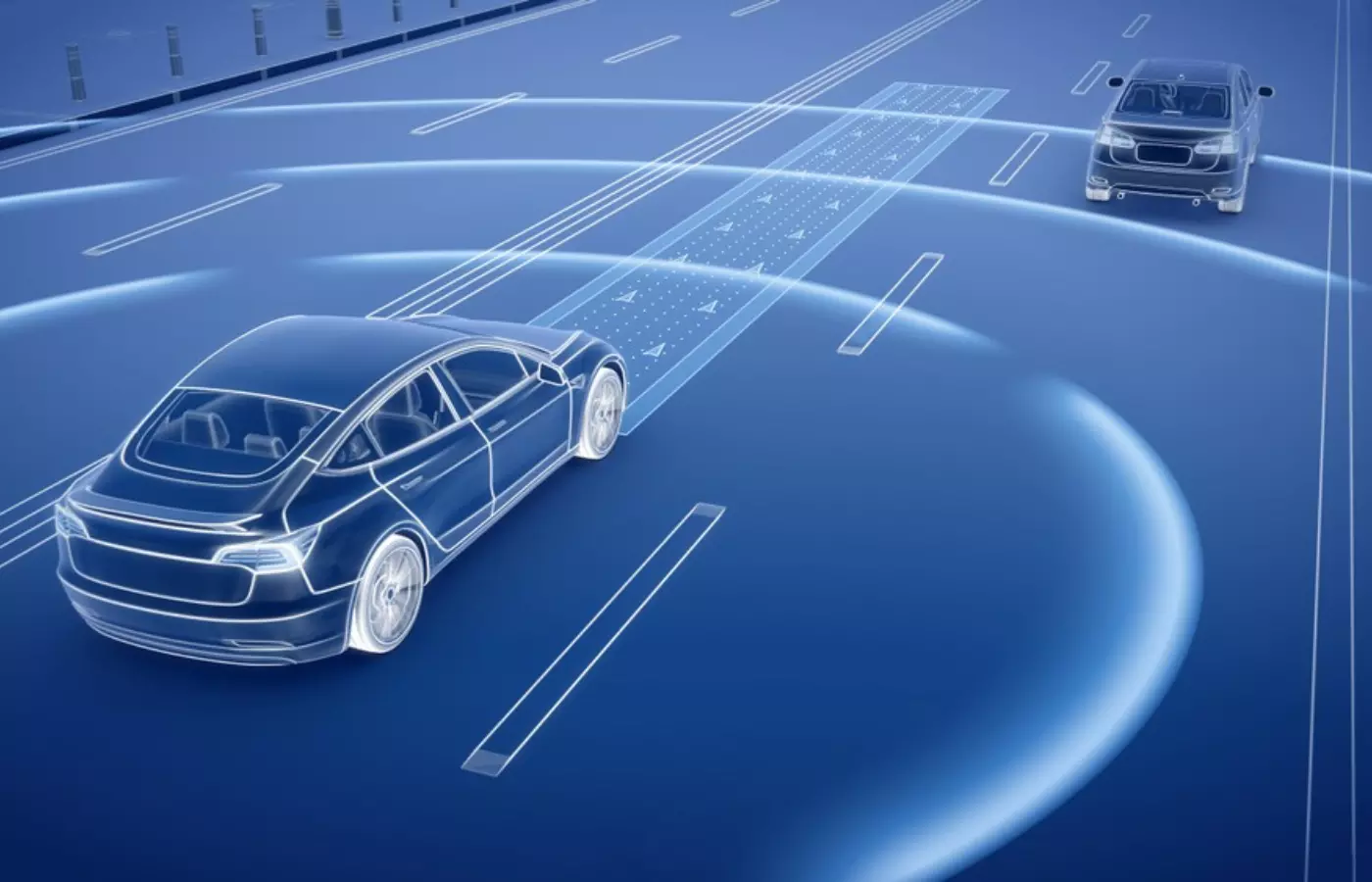
Modern electric vehicles are equipped with cutting-edge technology that enhances both performance and convenience. Features like AI-based driving assistance, real-time navigation, regenerative braking, and adaptive cruise control have become the new standard. Many EVs also integrate over-the-air software updates, allowing manufacturers to roll out performance and safety enhancements without requiring a visit to a service center.
This technological evolution reflects a clear shift — the new-gen EVs are more like connected digital devices on wheels, offering a seamless blend of innovation and comfort.
2. Advanced Battery and Charging Systems
One of the biggest challenges for EVs in the past was limited range and long charging times. However, the latest models have overcome these barriers with next-gen lithium-ion and solid state batteries that deliver higher energy density and faster charging. Many electric vehicles now offer 400–600 km of range per charge, and with ultra-fast chargers, drivers can power up to 80% in just 25–30 minutes.
The charging infrastructure is also expanding rapidly across India and the world, making EV ownership more practical and worry-free.
Read: How to Choose the Best EV Charger for Your Home
3. Sustainable and Efficient Design
New-generation EVs are designed not just for performance but also for sustainability. Automakers are now using recyclable materials, vegan leather interiors, and aerodynamic designs to reduce emissions throughout the vehicle’s lifecycle. The focus is on creating eco-friendly cars that don’t compromise on luxury, speed, or safety.
This approach ensures that the next wave of EVs contributes meaningfully to global carbon reduction while offering drivers a modern and stylish experience.
4. The Changing Face of the EV Market
Governments and automakers worldwide are pushing for rapid EV adoption. India, in particular, is witnessing an EV revolution with growing incentives, infrastructure expansion, and new models being launched every quarter. From compact city cars to performance-oriented SUVs, the new generation of electric vehicles caters to every segment of the market.
As more manufacturers invest in R&D, we’re seeing EVs that can outperform their petrol and diesel counterparts, proving that electric mobility is not just sustainable — it’s the future of performance driving.
Read: EV (Electric Vehicle) Software Development
5. Exploring the World of EVs with AllAboutEVs
To stay informed about this fast-evolving industry, platforms like AllAboutEVs have become essential. The website helps users compare electric vehicles, explore the latest launches, and find EV charging stations across India. Whether you’re researching your first EV purchase or tracking new advancements, AllAboutEVs provides in-depth insights and guides to help you make smart, informed decisions in the world of electric mobility.
The new generation of electric vehicles represents a monumental leap in the way we move — merging clean energy, intelligent systems, and futuristic design. As technology continues to evolve, these EVs promise to deliver greater efficiency, lower costs, and a greener planet.