Neem Oil for Garden Pest Control: What to Know
Garden pests can become difficult to manage when they begin affecting leaves, stems, flowers, or new growth.
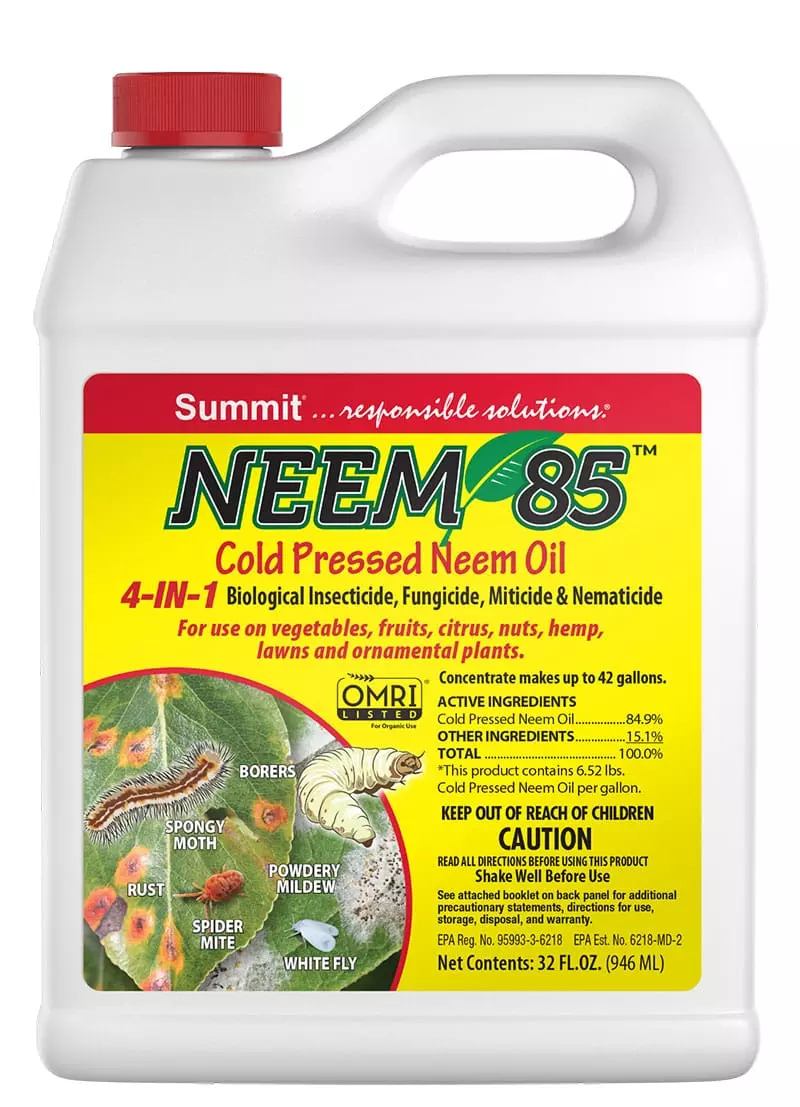
Neem oil for garden pest control can be a useful option for gardeners looking to manage listed insects, mites, nematodes, and plant diseases as part of a well-planned plant-care routine. Summit Responsible Solutions offers a cold-pressed neem oil concentrate formulated for a broad range of listed plants.
Understanding Neem Oil for Plant Care
Neem oil is derived from the neem tree, Azadirachta indica. The cold-pressed formulation featured by Summit contains 84.9% cold-pressed neem oil and is formulated as a 4-in-1 insecticide, miticide, nematicide, and fungicide.
According to the product information, its insect-control activity includes repellence, anti-feedant action, and interference with molting.
This makes neem oil a versatile option for gardeners who need to address more than one type of plant pest or problem. However, the appropriate use depends on the plant, pest, application rate, and directions provided on the current product label.
Where Cold-Pressed Neem Oil Can Be Used
The product is labeled for use on a wide selection of plants, including vegetables, fruits, citrus, nuts, herbs, trees, shrubs, ornamentals, lawns, houseplants, and hemp. It is also OMRI Listed® for organic production.
For gardeners dealing with common pests such as aphids, beetles, whiteflies, and mites, neem oil can be incorporated into an integrated pest-management approach.
The goal is not simply to treat visible pests, but to identify the problem correctly and choose a treatment that is appropriate for the particular plant and pest.
Using the Product as Directed
Because neem oil is supplied as a concentrate, it needs to be mixed with water according to the applicable label directions.
Summit's product information provides specific mixing and application guidance, including recommended dilution ranges and repeat-application intervals.
Always check the current product label before use because approved applications and directions should take priority over general gardening advice.
Read: What Is the Best Bed Bug Control Spray in Lahore for a
A Thoughtful Approach to Garden Pest Management
Effective pest management starts with identifying the pest and understanding its life cycle. Regularly inspecting plants can help gardeners notice changes in leaves, new growth, or insect activity before a problem becomes more difficult to manage.
Neem-based products can be one part of that process. Good plant care, appropriate watering, regular inspection, and selecting treatments according to the labeled pest and plant can all contribute to a more informed garden-management routine.
Frequently Asked Questions
What is cold-pressed neem oil?
Cold-pressed neem oil is obtained from neem seeds and retains naturally occurring compounds from the neem seed. The formulation discussed here contains 84.9% cold-pressed neem oil and is intended for labeled agricultural and garden uses.
What pests can this neem oil help manage?
The product information lists common garden pests including aphids, beetles, whiteflies, mites, and other listed pests. Its formulation also provides miticide, nematicide, and fungicide activity for labeled uses. Always confirm that the specific pest and plant are included on the current label before application.
Can neem oil be used on vegetables and fruit plants?
The product is labeled for various vegetables, fruits, citrus, nuts, herbs, and other listed crops. Application should always follow the current label, including directions concerning the particular crop and use.
How should a neem oil concentrate be applied?
The concentrate is mixed with water according to the product's specified dilution and application directions. The manufacturer provides detailed instructions for mixing, agitation, application rates, and repeat applications. Always read the current product label before use.
Where can I learn more about the product?
Detailed product information, label documents, and safety documentation are available from Summit Responsible Solutions. The official product page provides information about labeled plants, target pests, application, and product documentation.