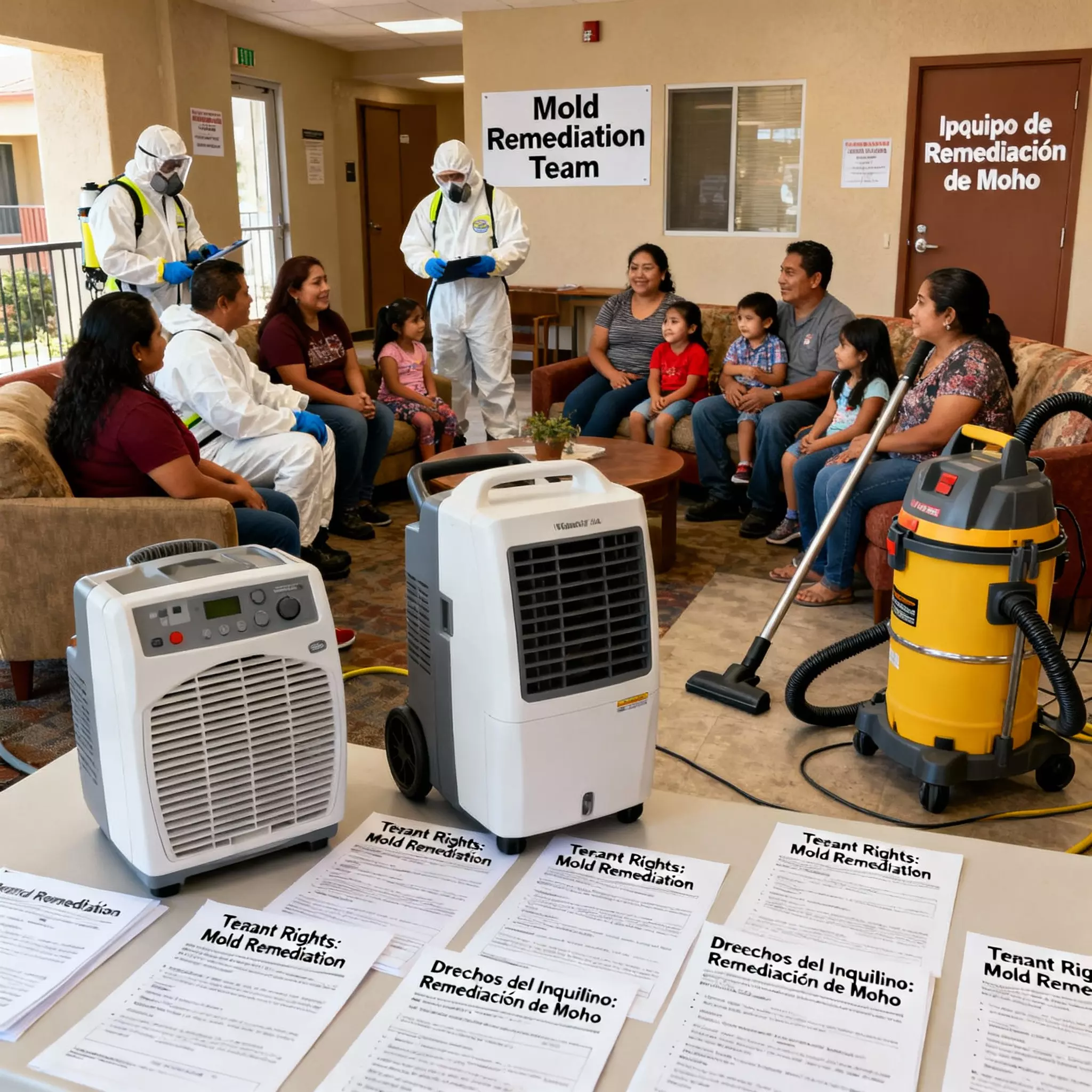
National City Mold Remediation: Tenant Rights & Affordable Solutions
Your Complete Guide to Mold Rights and Resources in National City
National City mold remediation requires understanding tenant rights under California law, with 65.8% rental properties serving a predominantly Hispanic/Latino community where affordable solutions, bilingual services, and landlord accountability are essential for addressing mold issues that disproportionately affect families with children in multi-unit housing with limited financial resources.
Whether you're dealing with an unresponsive landlord, need low-cost mold removal options, or require Spanish-language support to navigate tenant protection laws, National City's unique demographics and housing challenges demand community-focused approaches that prioritize health equity and legal protection for vulnerable residents.
I've been helping families in National City deal with mold issues for years, and let me tell you—it's not just about cleaning up some black spots on the wall. It's about understanding your rights, protecting your family's health, and knowing how to navigate a system that doesn't always work in favor of renters.
Last month, I helped Maria, a single mother of three who lives in an apartment complex on Highland Avenue. Her landlord had been ignoring her complaints about bathroom mold for eight months. Eight months! Her youngest son's asthma was getting worse, and she was terrified to push too hard because she couldn't afford to move. Sound familiar?
Your Legal Rights as a National City Tenant
Here's what changed everything for Maria, and what every renter in National City needs to know: California law is actually on your side when it comes to mold problems.
The Warranty of Habitability Protects You:
Every rental agreement in California includes an implied warranty that your home will be livable. Mold problems? They violate this warranty. Period. Your landlord can't just ignore the issue and hope it goes away.
You Have the Right to Repair and Deduct:
Under California Civil Code Section 1942, if your landlord doesn't fix habitability issues within 30 days of written notice, you can hire professionals to do the work and deduct the cost from your rent. But—and this is crucial—you must follow the exact legal process.
Documentation is Your Best Friend:
Take photos. Save text messages. Keep copies of written notices. María wishes she'd started documenting from day one instead of waiting eight months. Don't make her mistake.
New 2022 Protections:
California strengthened tenant protections around mold disclosure and response times. Landlords now have stricter obligations to address mold complaints promptly and can face significant penalties for retaliation.
Recursos en Español / Spanish Language Resources
Para nuestros vecinos que prefieren información en español, aquí están los recursos más importantes:
Líneas de Ayuda Gratuitas:
- San Diego Tenant's Union: (619) 398-6200
- Legal Aid Society: (877) 534-2524
- California Department of Fair Employment and Housing: (800) 884-1684
Derechos Importantes:
- Tienes derecho a una vivienda sin moho
- El propietario debe reparar problemas de humedad
- No pueden desalojarte por reportar moho
- Puedes obtener ayuda legal gratuita
The language barrier shouldn't prevent you from getting help. I've seen too many families suffer in silence because they thought they had no options or were afraid to speak up.
Free and Low-Cost Mold Solutions
Money's tight for most families in National City. I get it. The median household income here is lower than the San Diego average, and when you're choosing between rent and groceries, paying thousands for mold removal isn't realistic.
Start with These Free Options:
Call the National City Code Enforcement at (619) 336-4202. They can inspect your rental unit and cite landlords for habitability violations. This costs you nothing and puts legal pressure on property owners.
Low-Cost Inspection Programs:
Several community organizations offer sliding-scale mold inspections. The basic assessment costs $150-250 instead of the typical $400-500. Ask about payment plans—many local companies understand our community's financial constraints.
Emergency Health Situations:
If someone in your family is having respiratory problems that might be mold-related, go to the Paradise Valley Hospital emergency room first. Get medical documentation linking symptoms to potential mold exposure. This creates a paper trail that's invaluable for legal protection.
Landlord-Tenant Dispute Resolution
Dealing with unresponsive landlords requires strategy, not just anger. I've seen both approaches, and strategic documentation wins every time.
The 30-Day Notice Strategy:
Send written notice to your landlord about mold problems. Use certified mail. Keep the receipt. After 30 days, if nothing happens, you have legal grounds to take action.
City Mediation Services:
National City offers free landlord-tenant mediation through the Community Development Department. It's less confrontational than court and often gets faster results. Call (619) 336-4310 to schedule mediation.
When to Involve Attorneys:
If your landlord retaliates after you report mold—raising rent, threatening eviction, or reducing services—contact a tenant rights attorney immediately. Many work on contingency, meaning you don't pay unless you win.
Protecting Your Family's Health
In National City's dense housing environment, mold problems affect entire families quickly. Children, elderly residents, and anyone with respiratory conditions are especially vulnerable.
Recognizing Serious Health Symptoms:
- Persistent cough that doesn't respond to medicine
- Breathing difficulties that worsen at home
- Chronic fatigue in multiple family members
- Skin rashes without obvious cause
- Frequent headaches that improve when you leave the house
Emergency Response for Families:
If children are showing respiratory symptoms, don't wait for landlord permission to address mold problems. Document the health impacts, get medical attention, and use this documentation to demand immediate action.
Community Health Resources:
The National City Community Health Center at 1201 Highland Avenue offers affordable health screenings and can help document mold-related health issues. They understand the connection between housing conditions and family health.
Apartment and Multi-Unit Solutions
Most National City residents live in apartments, condos, or multi-unit housing. These properties present unique mold challenges that require different approaches than single-family homes.
Complex-Wide Mold Issues:
If multiple units have mold problems, organize with other tenants. Collective action gets faster results than individual complaints. Property managers respond more quickly to groups than single renters.
Shared Ventilation Systems:
Many older apartment buildings share HVAC systems, meaning mold spores can spread between units. This makes the problem everyone's concern, not just yours. Use this fact to build tenant solidarity.
Common Area Responsibilities:
Mold in hallways, laundry rooms, or shared bathrooms is entirely the landlord's responsibility. Don't let property managers try to blame tenants for these issues.
Immigration-Safe Resources
I know many National City families worry about calling authorities or seeking help because of immigration concerns. Let me be clear: protecting your family's health is not an immigration risk.
Safe Reporting Options:
- National City Code Enforcement focuses on housing, not immigration status
- Community health centers are confidential and immigration-safe
- Legal aid organizations don't report immigration status
- Tenant rights are protected regardless of documentation status
Know Your Protections:
California has strong sanctuary laws protecting tenants who report habitability issues. Landlords cannot threaten immigration consequences for mold complaints.
Flexible Payment and Scheduling Options
Working multiple jobs or irregular schedules? You're not alone in National City. Many mold remediation companies now offer services designed for working families.
Evening and Weekend Inspections:
Several local companies offer inspections outside normal business hours. Yes, it sometimes costs extra, but it's better than losing pay from missed work.
Payment Plans That Work:
Look for companies offering 0% interest payment plans over 12-24 months. Some work directly with landlords for billing, removing financial pressure from tenants.
Community Funding Resources:
The National City Community Development Block Grant program sometimes helps with emergency housing repairs, including mold remediation. Call (619) 336-4310 to ask about current availability.
Prevention Strategies for Dense Living
Preventing mold in National City's housing environment requires understanding how moisture behaves in our climate and living situations.
Humidity Management:
With average humidity levels of 72% year-round, every apartment needs active moisture control. Run bathroom fans during and 30 minutes after showers. Keep kitchen exhaust fans running while cooking.
Overcrowding Challenges:
When multiple families share space, moisture generation increases dramatically. More people means more showers, cooking, and breathing—all creating humidity that feeds mold growth.
Landlord Prevention Requirements:
Property owners must provide adequate ventilation in all units. If your bathroom doesn't have an exhaust fan or it doesn't work properly, this is a habitability violation your landlord must fix.
Building Community Support
The strongest protection against mold problems comes from community organization and mutual support.
Neighborhood Watch for Housing:
Connect with neighbors about housing conditions. Share information about responsive vs. problematic landlords. Collective knowledge protects everyone.
Community Education Programs:
Attend tenant rights workshops at the National City Community Center. Knowledge is power, and understanding your rights prevents exploitation.
Your family deserves safe, healthy housing regardless of income level, immigration status, or language barriers. Don't accept mold problems as "just part of renting." You have rights, resources, and a community that supports healthy housing for all families.
Remember: documenting problems, knowing your rights, and seeking help early prevents small mold issues from becoming major health crises that affect your entire family's wellbeing and future.