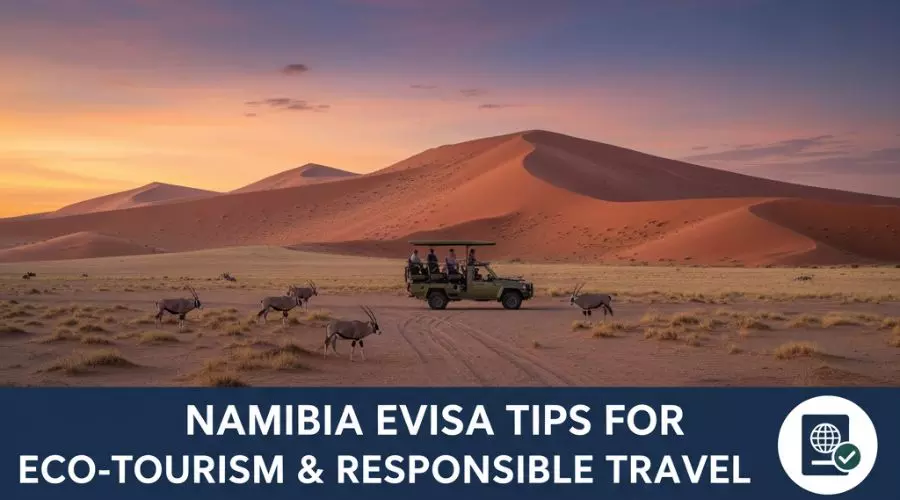
Namibia eVisa Tips for Eco-Tourism & Responsible Travel
Namibia can be defined as a very beautiful and environment-friendly place. Life on the enormous, golden dunes of the Namib Desert to the Etosha National Park with its wildlife-filled plains, this country is able to impress with the experiences that not many destinations could possibly provide.
To eco-tourists, responsible travellers, planning in advance means that you can explore Namibia in a sustainable way, help the local people and conserve the fragile ecosystems. Among the initial things is to buy your Namibia eVisa that will ease the entry process and will save you time to concentrate on making your traveling experience meaningful.
Along with all the information that you might need, such as how to apply to eVisa, sustainable tourism, specific eco-tourism attraction sites, cultural experience, responsibility in traveling, and a comprehensive Frequently Asked Question section, all can be found in this guide.
Why Namibia is a Leading Eco-Tourism Destination
The geographic peculiarities of Namibia, the diversity of wildlife and its environmental conservation efforts are one of the reasons why the country is a global leader in the eco-tourism. In recent decades, the community based conservation projects have enabled the locals to conserve extensive pieces of land whilst also conserving endangered species.
Tourism to Namibia is a sustainable way of supporting these programs as well as providing tourists with a pure and moral experience.
Key features that make Namibia ideal for eco-tourism:
- Community Conservancies: Locals manage wildlife areas, earning income while protecting biodiversity.
- Protected Landscapes: Vast deserts, canyons, and savannas provide habitats for species like black rhinos, cheetahs, lions, and desert-adapted elephants.
- Sustainable Lodging Options: Eco-lodges and camps implement renewable energy, water conservation, and waste reduction practices.
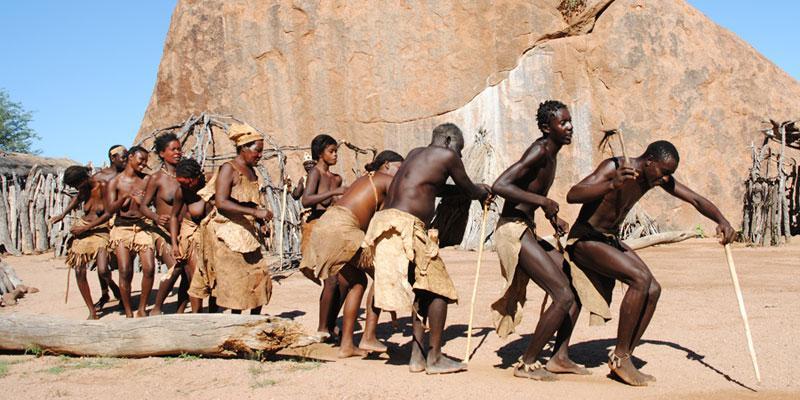
- Cultural Experiences: Engaging with Himba, Herero, and San communities provides insight into traditional lifestyles while supporting local economies.
Namibia demonstrates that conservation and tourism can be used simultaneously and become the example of sustainable traveling in the world.
How to Apply for the Namibia eVisa
To apply for Namibia eVisa is an e-ticket that makes travelling easier to arrange. The eVisa will enable you to have your application in digital form unlike the older systems where you had to fill the papers and visit the office.
Step-by-Step Guide:
- Plan Ahead: Apply at least three to four weeks before your trip to avoid last-minute delays.
- Prepare Required Documents
- Valid passport with at least six months’ validity
- Travel itinerary with accommodation details
- Recent passport-style photo
- Proof of funds or return travel (if requested)
- Ensure Accuracy: Make sure all details match your travel documents to prevent processing issues.
- Print a Copy: While the eVisa is digital, a printed copy helps smooth entry at checkpoints.
Tips:
- Apply on a reliable website to ensure secure processing.
- Double-check the validity of your passport before applying.
- Keep a copy saved digitally as a backup.
Using the eVisa is eco-friendly too, as it reduces paper use and unnecessary travel.
Eco-Friendly Travel Practices in Namibia
Responsible travel is not just about being a rule-follower but using decisions that will impact the environment as little as possible and also benefit the local communities.
1. Stay in Eco-Lodges and Campsites
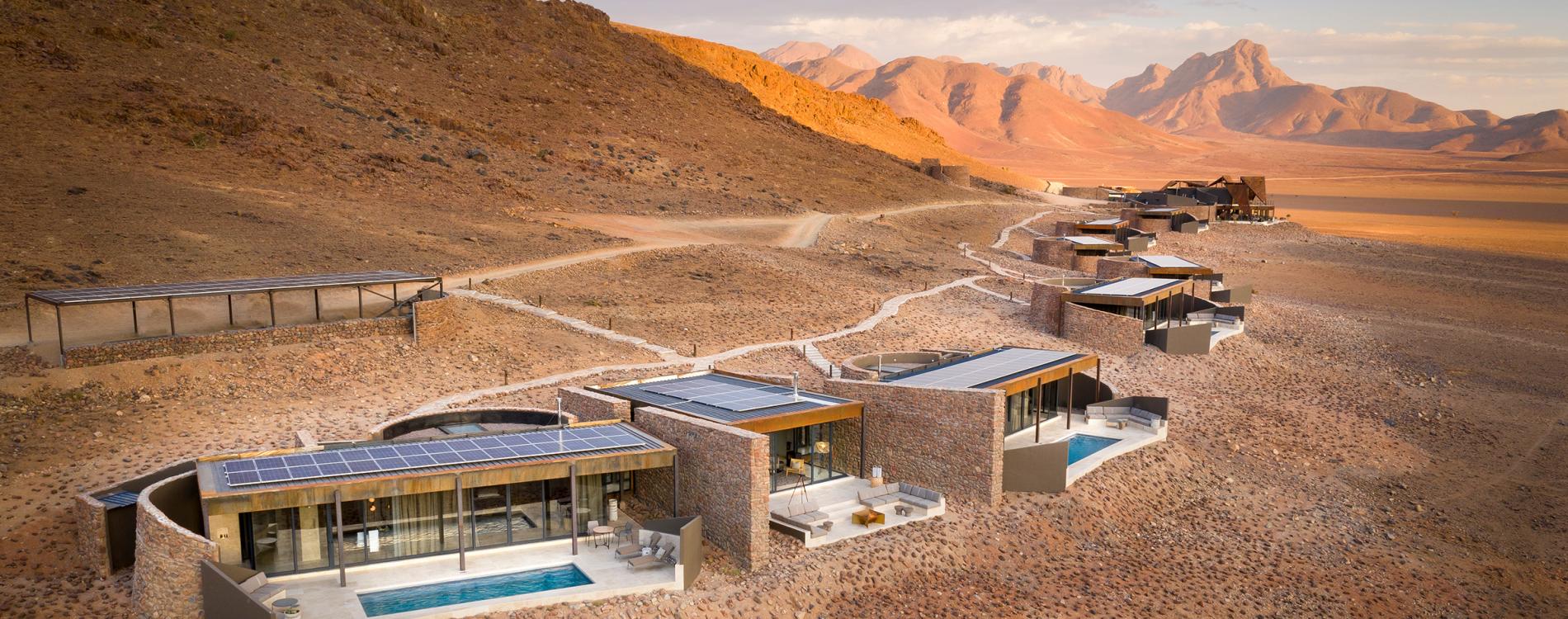
Solar energy, recycling of water, and vigorous conservation of wildlife are some of the practices applied in many lodges in Namibia. By staying in environmentally friendly hotels, you will be sure that your tourism dollars are doing positive good to the environment.
2. Respect Wildlife
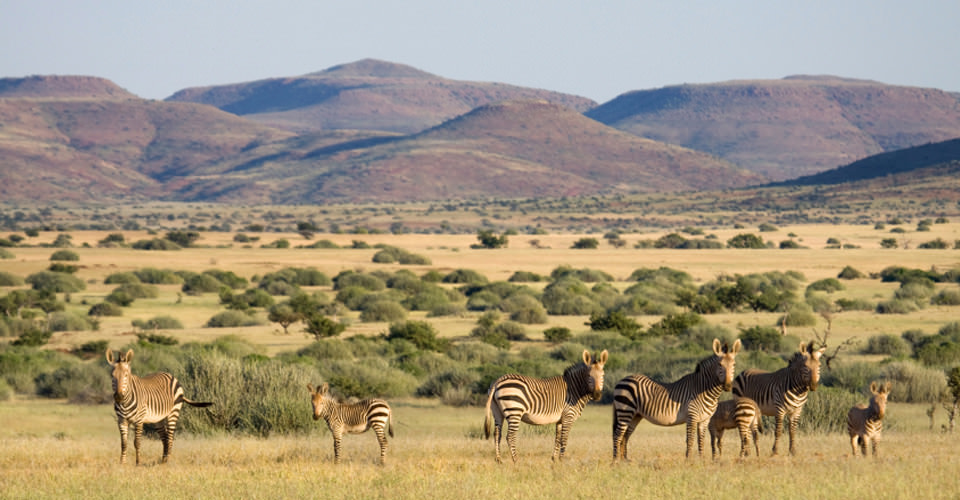
Watch the animals at a distance and do not feed them. Watching in a responsible way, preserves the natural behavior and keeps you safe besides keeping them safe.
3. Reduce Plastic and Waste
Carry reusable water bottles, keep off disposable plastics and ensure you dispose of the waste. Recycle where there are such facilities.
4. Conserve Water and Energy
In Namibia, water is a valuable commodity. Sustainability can be achieved by taking short showers, sharing towels and turning off lights when they are not needed.

5. Support Local Communities
Buy artisan work, visit local cultural tours, and eat out. These will have direct positive impact on the residents.
6. Travel Mindfully
The walking, cycling, and using shared transport as much as possible. Arrange trips to minimize unnecessary long-range journeys, which save frail ecosystems.

Namibia Eco-Tourism Hotspots
Here’s an in-depth look at must-visit destinations for eco-conscious travelers:
1. Etosha National Park
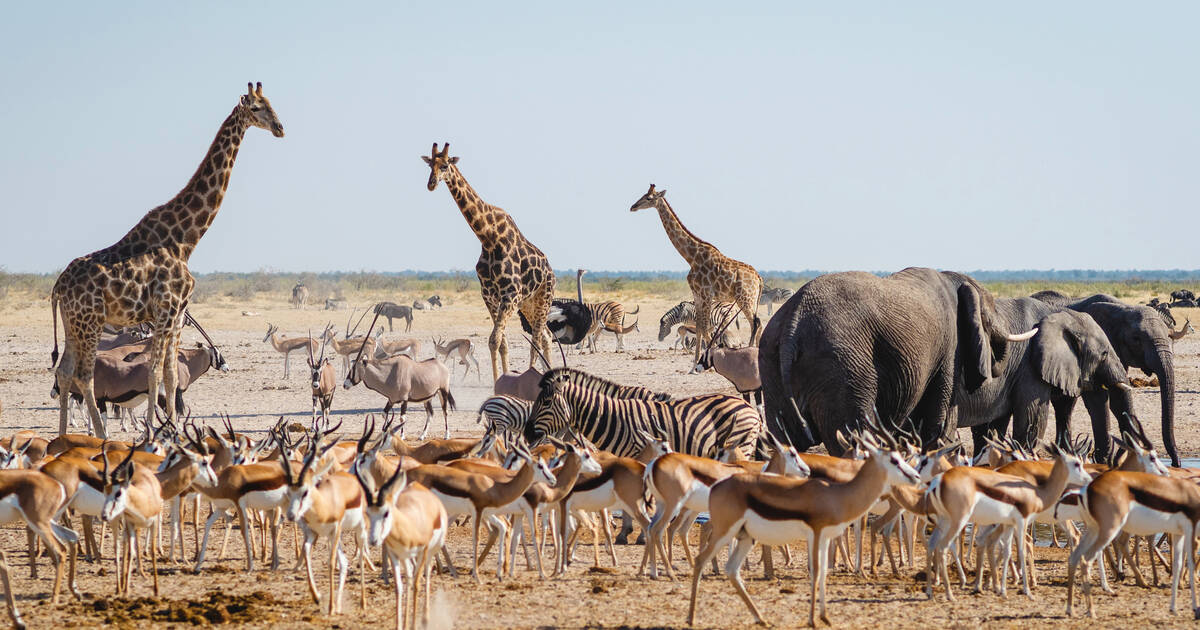
Etosha National Park is a famous wildlife park in Namibia which is a must visit place to the eco-tourists. It spans an area of more than 22, 000 square kilometers; and harbors many species of animals such as elephants, lions, rhinos, giraffes, zebras, and numerous species of birds. The Etosha Pan which is the center piece of the park is a large salt pan that changes the scenery to an amazing white ocean during the dry season.
2. Sossusvlei & Namib Desert
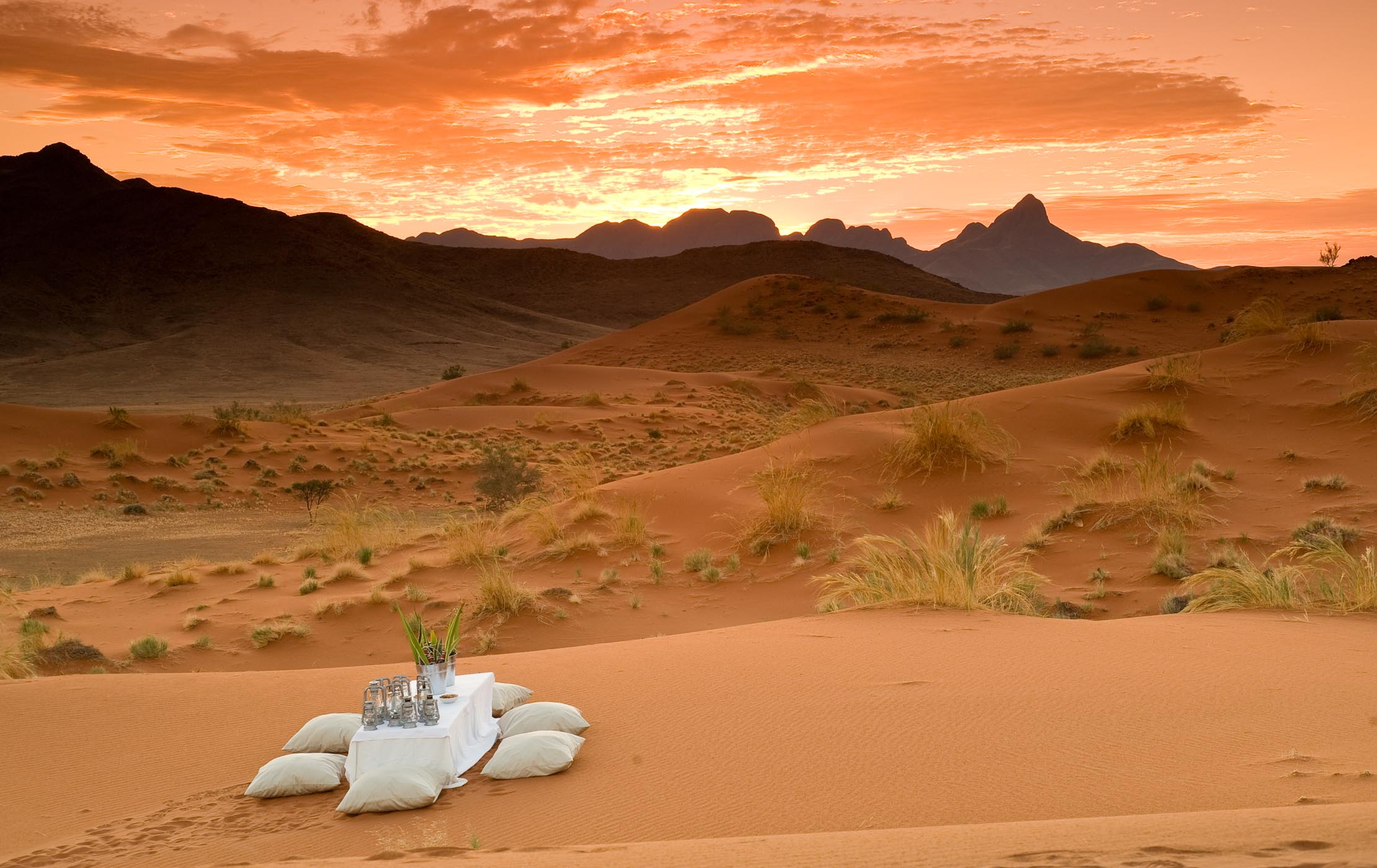
The Namib Desert, Sossusvlei and the Namibia scenic landscape are some of the most beautiful places in Namibia that are characterised by the tall sand dunes of red colour, rugged gravel plains and steep canyons. Namib is regarded as the oldest desert in the world and some of the dunes in Sossusvlei are the highest in the world and the sand forms a surreal environment that is ideal in photography, hiking and exploration of the desert.
3. Skeleton Coast
- Isolated, blustered shoreline and sea-wrecks and seal-colony.
- Has special eco-adventures, such as conservation education walks.
4. Damaraland
- Desert-adapted elephants and ancient rock engravings.
- Proposes sustainable safari tours and communion with local people.
5. Caprivi Strip
- Birds and water animals in Lush wetlands and rivers.
- The lodges in eco-tourism are concerned with conservation and minimal environmental impact.
6. Cultural Experiences
- Himba, Herero and San community have cultural tours that are immersive in nature.
- Encourage the local cultures and earn the communities income.
Planning a Responsible Namibia Itinerary
Day 1–3: Windhoek & Okahandja
- Explore markets and conservation initiatives
- Stay at eco-friendly hotels in Windhoek
Day 4–6: Etosha National Park
- Join guided safaris with ethical operators
- Focus on photography and wildlife observation without disturbing animals
Day 7–9: Sossusvlei & Namib Desert
- Hike dunes at sunrise
- Overnight at eco-lodges or campsites
Day 10–12: Skeleton Coast & Damaraland
- Guided eco-tours of shipwrecks and desert landscapes
- Support local artisans in nearby communities
Day 13–14: Community Visits
- Visit Himba and San villages
- Participate in workshops and support local initiatives
Namibia Travel Tips for Eco-Tourists
- Pack reusable items like water bottles, shopping bags, and utensils
- Carry biodegradable toiletries to protect fragile ecosystems
- Respect local customs and dress codes
- Use certified local guides to ensure ethical experiences
- Avoid disturbing wildlife during photography or tours

Benefits of Using the Namibia eVisa for Eco-Tourists
- Reduces Paper Waste: Eliminates printed applications
- Saves Time and Resources: Allows travelers to plan efficiently
- Supports Sustainable Travel: Helps visitors focus on eco-conscious planning
Conclusion
Namibia is a place that would be a perfect combination of adventure, natural beauty, and sustainability. It has large deserts, rich wildlife and rich local communities, which give it an opportunity to provide eco-tourists a responsible opportunity to explore and have a positive impact on the environment. The Namibia eVisa can be considered the key to a successful and stress-free trip, which enables tourists to concentrate on the experience instead of the organization.
Using environmentally friendly accommodations, protecting wildlife, minimizing waste, saving resources, and empowering the local people, each traveler will help to protect the delicate ecosystems and cultures of Namibia. With red dunes of Sossusvlei to plains of Etosha that are full of wildlife and various other cultural villages of the Himba people and San people, responsible travel makes sure that Namibia will continue to be a sustainable destination in the future.
FAQs
Q1: What is the time span within which I ought to apply Namibia e Visa?
Not less than 3 weeks and four weeks to your intended trip.
Q2: Is it possible to visit various eco-tourism spots using a single eVisa?
Yes, it opens up national parks, conservancies, deserts and the coast.
Q3: What are the documents required?
An authentic passport, travel itinerary, photograph and accommodation information.
Q4: What are some of the ways that I can be a responsible traveller in Namibia?
Eco-lodge, wildlife, reduce waste, conserve water, help communities and travel responsibly.
Q5: Am I required to have a printed copy of the eVisa?
Yes, it will make checkpoints easy to enter.
Q6: Do we have eco friendly safari?
Yes, there are a great number of operators who provide safaris with the least effect on the environment and community.
Q7: What are some of the local communities that I can become involved in?
Himba, Herero and San people offer cultural immersion.
Q8: What can I do to reduce my environmental impact by visiting the desert?
Follow special trails, do not disturb animals and use eco-lodges or campsites.
Q9: Do we have responsible methods of wildlife photography?
Yes, keep away, no zoom lenses, no flash photography.
Q10: Can First time eco-tourists visit Namibia?
Absolutely. Namibia is the destination that is properly organized and arranged to travel responsibly and has available eco-tourism activities.