Must-Experience Spiritual Treks Across India for Every Traveler
India is home to some of the most sacred mountains and ancient temples in the world. Spiritual trekking in the Himalayas allows travelers to combine adventure with devotion, exploring serene landscapes while reflecting on inner growth. From Uttarakhand to Himachal Pradesh, Sikkim, and Arunachal Pradesh, these treks pass through forests, meadows, rivers, and high-altitude passes.
Beyond physical challenge, they provide a chance for meditation, mindfulness, and cultural immersion. Each route has its unique spiritual energy, offering devotees and trekkers a deeper connection with nature and divinity. For anyone seeking a transformative journey, India’s spiritual treks are unmatched.
1. Hemkund Sahib Trek, Uttarakhand
The Hemkund Sahib Trek is a high-altitude Sikh pilgrimage set beside a glacial lake, surrounded by snow-capped peaks. The Gurudwara offers a peaceful place for prayer, meditation, and spiritual reflection. Trekkers hike through picturesque trails with panoramic Himalayan views, making the journey both physically demanding and spiritually rewarding.
Pilgrims often combine this trek with nearby routes, enhancing its devotional significance. The serene environment fosters inner calm and renewal, providing a unique spiritual experience. Hemkund Sahib is ideal for solitude and connecting deeply with nature and faith. Completing this trek leaves travelers rejuvenated in both body and spirit.
2.Panch Kedar Yatra, Uttarakhand
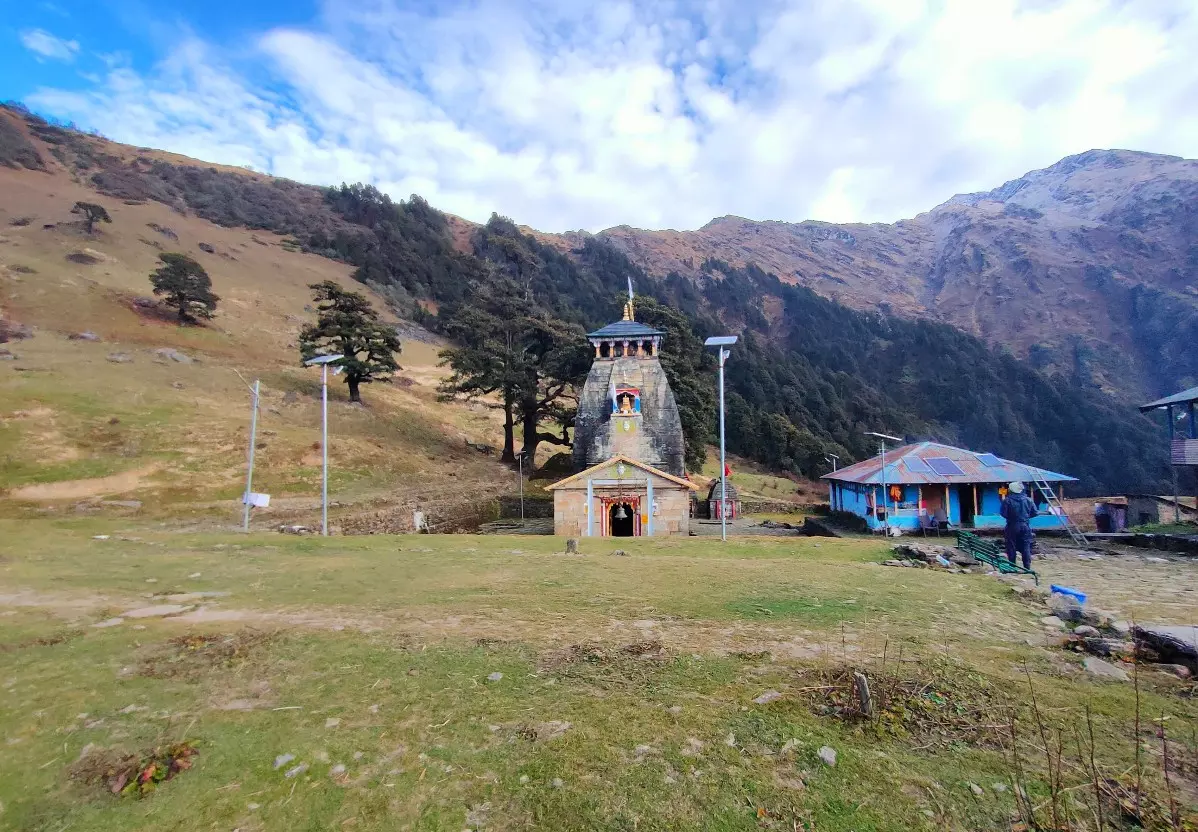
The Panch Kedar Yatra is a revered pilgrimage in Uttarakhand, taking devotees to five sacred Shiva temples Kedarnath, Tungnath, Rudranath, Madhyamaheshwar, and Kalpeshwar each symbolizing different parts of Lord Shiva’s body. According to legend, the Pandavas sought Shiva to atone for their sins, and he appeared at these five locations.
The trek passes through forests, meadows, streams, and remote Himalayan villages, offering both spiritual reflection and connection with nature. Kedarnath, the first temple, is part of the Chota Char Dham and one of the twelve Jyotirlingas, adding immense religious significance.
The pilgrimage follows a traditional sequence, challenging the body while nurturing devotion and mindfulness. Throughout the journey, trekkers experience serenity, meditation, and awe-inspiring Himalayan vistas. Completing the Panch Kedar Yatra leaves pilgrims spiritually fulfilled and deeply connected with the divine.
3.Kinner Kailash Trek, Himachal Pradesh
The Kinner Kailash Trek in Spiti Valley is a sacred route to one of Shiva’s most revered peaks. Pilgrims believe that climbing Kinner Kailash grants divine blessings and liberation from worldly sins. The trek passes through high-altitude deserts, small villages, and ancient temples, offering solitude and breathtaking Himalayan landscapes.
This journey challenges both body and mind, encouraging meditation, reflection, and spiritual growth. Remote trails and natural beauty create a powerful sense of connection with the divine. The trek inspires humility, devotion, and inner strength. Kinner Kailash is perfect for seekers of profound spiritual experiences.
4.Tungnath and Chandrashila Trek, Uttarakhand
The Tungnath Trek leads to the highest Shiva temple in the world, representing Shiva’s arms, with Chandrashila summit offering panoramic Himalayan views. The trek passes through forests, rocky trails, and alpine slopes, combining physical challenge with spiritual reflection. Pilgrims meditate, offer prayers, and absorb the tranquility of the surrounding peaks.
Reaching Tungnath inspires awe, gratitude, and inner clarity. The journey fosters mindfulness and devotion, deepening one’s spiritual connection. Completing the trek is a fulfilling experience for both body and soul. Chandrashila adds a breathtaking perspective, making the pilgrimage even more rewarding.
5.Kheerganga Trek, Himachal Pradesh
Kheerganga in Parvati Valley is a sacred site famous for natural hot springs and Lord Shiva’s association. Pilgrims and trekkers visit to meditate, relax, and rejuvenate spiritually amidst nature. The trail passes through rivers, forests, and scenic valleys, offering solitude and reflection.
Time spent here balances the mind, body, and soul, while the surroundings promote peace and mindfulness. Trekkers can soak in the hot springs, connecting with the spiritual energy of the area. The journey is moderately challenging, making it accessible yet transformative. Kheerganga Trek leaves visitors refreshed, spiritually centered, and connected with nature.
6.Tawang Monastery Trek, Arunachal Pradesh
The Tawang Monastery Trek leads to one of India’s largest Buddhist monasteries, serving as a hub for meditation and Tibetan Buddhist culture. Trekkers pass through forests, rivers, and high-altitude valleys, experiencing serene Himalayan landscapes. Pilgrims participate in rituals and prayers while reflecting on their spiritual journey.
The trek encourages mindfulness, inner calm, and deep connection with higher consciousness. Walking through this peaceful region allows for contemplation and meditation. The journey is physically moderate but spiritually uplifting. Tawang Monastery Trek offers profound insights into Buddhist philosophy and devotion.
7.Spiti Valley Monastery Trek, Himachal Pradesh
The Spiti Valley Monastery Trek passes through high-altitude villages and ancient monasteries like Key, Tabo, and Dhankar. Spiti’s calm and remote environment fosters meditation and self-reflection. Pilgrims engage with local culture and Tibetan Buddhist traditions along the trail.
The trek combines physical effort with spiritual rejuvenation, inspiring inner peace. Scenic landscapes and quiet monasteries allow trekkers to pause, reflect, and connect deeply with the divine. Walking in these remote valleys enhances mindfulness and devotion. The journey leaves travelers spiritually refreshed and inspired.
8.Goecha La Trek, Sikkim
The Goecha La Trek is a high-altitude spiritual route offering stunning views of Kanchenjunga, the world’s third-highest peak. The trek passes through alpine meadows, rivers, forests, and remote villages, offering opportunities for meditation and reflection. Pilgrims experience solitude and awe-inspiring natural beauty, fostering inner clarity and growth.
The trek encourages mindfulness, prayer, and connection with sacred landscapes. Spiritual energy of the region adds depth to the journey, making it more than a physical challenge. Completing Goecha La provides a sense of fulfillment, devotion, and peace. This trek is ideal for those seeking profound Himalayan spiritual experiences.
Preparing for Spiritual Treks in India
Spiritual trekking requires preparation of body, mind, and spirit. Regular walking or light hiking builds endurance for long trails. Essential items include warm clothing, trekking shoes, water, and first aid supplies. Respecting local customs at temples, monasteries, and villages is vital.
Meditation, journaling, or mindful walking enhances the spiritual aspect of the trek. Traveling light allows better focus and comfort on the journey. Proper preparation ensures a fulfilling, safe, and spiritually rewarding experience.
Conclusion
India’s spiritual treks are journeys of devotion, self-discovery, and transformation. From Panch Kedar and Hemkund Sahib to Kinner Kailash, Tungnath, Kheerganga, Tawang, Spiti Valley, and Goecha La, these routes combine adventure with spirituality. Each trek encourages mindfulness, reflection, and a deep connection with nature and divinity.
Himalayan landscapes, remote monasteries, and sacred temples inspire awe, peace, and personal growth. Travelers return renewed, with clarity, devotion, and inner calm. For those seeking spiritual awakening, India’s treks are unmatched in both challenge and reward.