5 Benefits of Using Moulded Pulp for Industrial Packaging
What’s in your packaging – cardboard, plastic, or something smarter?
Ever wondered why some industrial packaging feels like it came from the future – without the guilt? Malaysia’s industrial sector is shifting gears, and Moulded Pulp is leading the charge.
Why? Because companies here are looking for something sustainable, cost-efficient, and strong enough to hold weight without holding up progress. Add PCR Stretch Film to the mix, and you’ve got a supply chain that’s cleaner, greener, and tougher than last year’s packaging.
Let’s break down why more manufacturers in Malaysia are switching to Moulded Pulp for industrial packaging — and why you might be next.
What Exactly Is Moulded Pulp – And Why Should You Care?
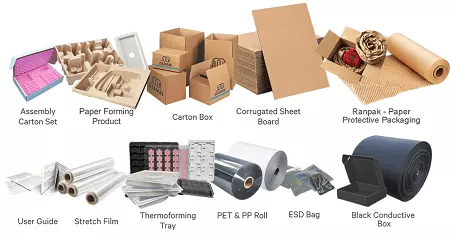
Moulded Pulp is packaging made from recycled paper, often used to hold, cushion, or protect items. Think egg cartons, trays, bottle holders — now imagine it industrial-sized.
This stuff isn’t just good for the environment — it’s great for your bottom line.
And when paired with PCR Stretch Film (Post-Consumer Recycled film used for wrapping pallets), the combo becomes an eco-warrior's dream.
Let’s count the ways it wins.
1. It’s Made from Waste – But Built to Last
Malaysia’s recycling problem just got a stylish solution
Moulded Pulp is made from old newspapers, cardboard scraps, and other recyclable paper products. In short: trash turned into treasure.
Why it works:
- The structure is shock-absorbent
- It’s lightweight, so it cuts shipping costs
- It decomposes without fuss — no guilt trips to the landfill
Pair it with PCR Stretch Film, and you're looking at packaging that works harder and pollutes less.
This isn’t a feel-good story — it’s industrial science with heart.
2. Custom Shapes, Minus the Waste
Why mould something a hundred times when one pulp mould will do?
Industries like electronics, automotive, and even food processing need custom-fit packaging. Moulded Pulp forms precisely to the shape of your product — without the plastic guilt.
Need oddly shaped auto parts secured? Done.
Want bottle trays that won’t collapse? Easy.
And unlike foam or plastic, moulded pulp doesn’t need heavy processing. It’s water, heat, and a bit of pressure — that’s it.
3. It’s Kind to Wallets and the Planet
What if your cost-cutting move actually helped the environment too?
Moulded Pulp is cheap to produce — especially when you’re using recycled materials. And in Malaysia, where logistics and fuel costs keep rising, every gram saved helps.
Here’s where PCR Stretch Film adds bonus points:
- It reduces plastic production
- It wraps pallets tightly, cutting down breakage
- It’s made from recycled plastic, not virgin materials
Less breakage. Lower cost. Smaller carbon footprint.
Not bad for a few sheets of repurposed pulp and stretch film, right?

4. Stacks Like a Champ
Tired of crushed boxes and weird-shaped pallets? So are we.
Moulded Pulp packaging is incredibly stackable. Its rigidity keeps products secure even when stacked high.
If you’re shipping fragile items across Malaysia or Southeast Asia, this is a serious win.
Even better — when you wrap those stacks with PCR Stretch Film, you keep everything in place without using excess plastic.
It’s the kind of combo your warehouse manager dreams about.
5. Regulations? Handled. Sustainability Goals? Checked.
Going green in Malaysia isn’t optional anymore — it’s smart business.
From ESG reporting to local waste management regulations, more Malaysian companies are getting serious about sustainability.
Moulded Pulp and PCR Stretch Film make those goals easier to meet — without sacrificing performance.
You can now:
- Reduce your packaging waste
- Meet recycled content requirements
- Improve CSR efforts without greenwashing
Need proof? Jishan Berhad has already started offering solutions with these materials — and the industry is watching.
So, Why Aren’t You Using It Yet?
Packaging isn’t just about protection anymore — it’s about perception, compliance, and cost savings.
And in Malaysia, where industrial businesses are under pressure to reduce waste and increase efficiency, Moulded Pulp offers a smart, sustainable solution.
Add PCR Stretch Film into the equation, and you’ve covered your packaging from inside out — sustainably and affordably.
Bonus: It’s Quietly Revolutionising Export Packaging Too
Exporters in Malaysia are quietly replacing plastic and foam packaging with Moulded Pulp – and not just to be trendy. Many overseas clients now demand sustainable materials as part of procurement policies.
With Moulded Pulp, Malaysian exporters gain a competitive edge while complying with international eco-regulations. Plus, PCR Stretch Film helps ensure every pallet reaches its destination securely and shrink-wrapped with recycled efficiency.
Even small tweaks in packaging can open doors to new markets — especially in Europe, where environmental standards are strict.
So, whether you're shipping down the highway or across oceans, using pulp-based packaging might just save your reputation and your shipping budget.
Still think it's just paper and plastic? It’s more than that — it’s packaging with purpose.
Final Thought
Your packaging is the first thing your customer sees — and possibly the last thing the earth does.
Wouldn’t you rather it be made of something smart, simple, and sustainable?
Because in the world of industrial packaging, Moulded Pulp and PCR Stretch Film are no longer the future — they’re the standard Malaysia’s moving toward.
FAQs
1. Can Moulded Pulp really replace foam or plastic in heavy industries?
Yes. It’s already used to protect car parts, electronics, and industrial equipment during transit.
2. Is PCR Stretch Film as strong as regular film?
Yes. It performs nearly the same as virgin plastic film — minus the environmental baggage.
3. Is it expensive to switch to Moulded Pulp?
Not really. The materials are cheap, and the custom moulding process often reduces damage costs.
Read More:-
Sustainable Packaging Solutions for E-Commerce and Retail Success
How Custom Food Packaging Can Boost Your Malaysian Food Business?
Why Paper Cushioning is the Best Choice for Sustainable Packaging?