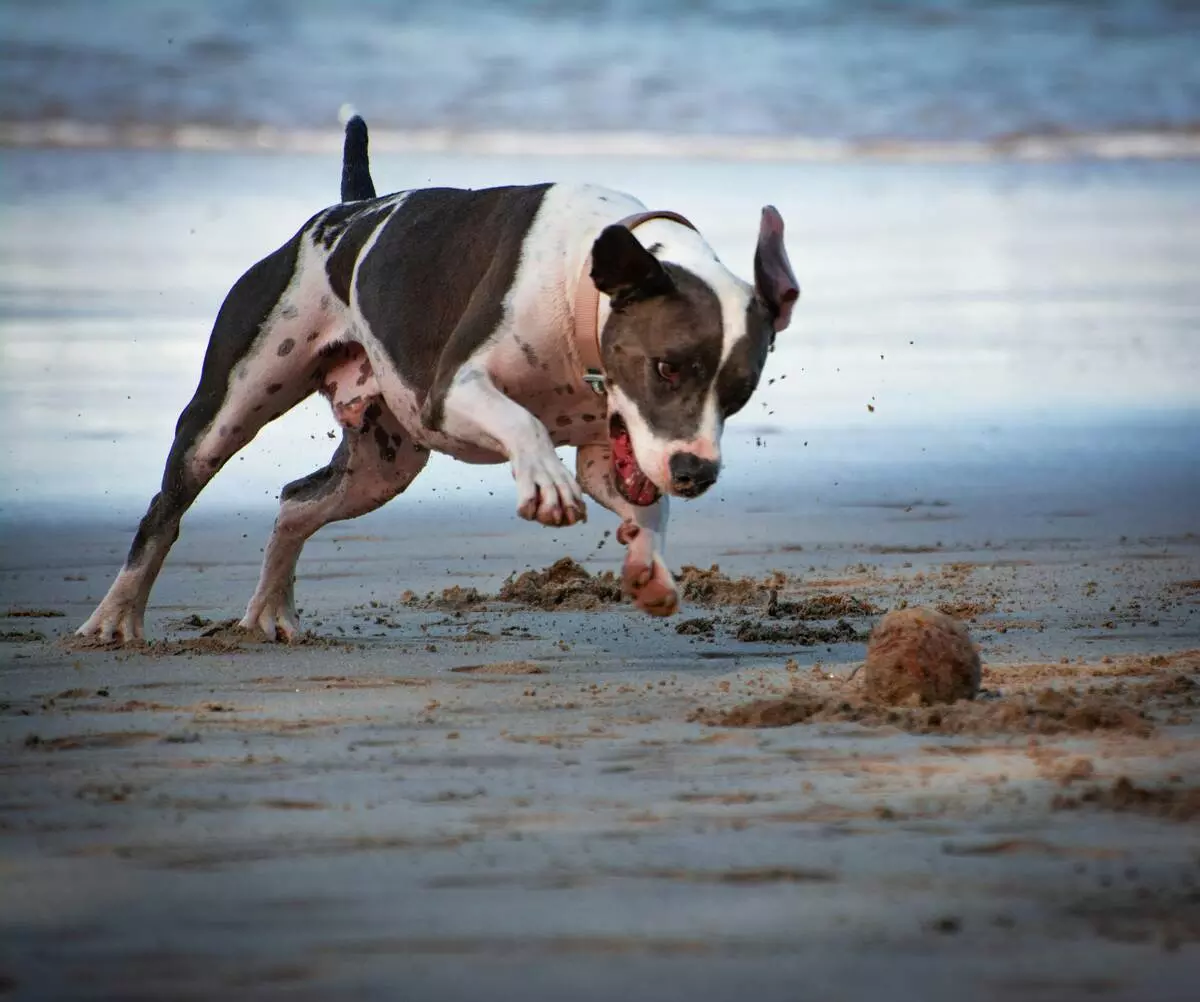
Most Aggressive Dog Breeds: Understanding Mean and Dangerous Dogs
Let’s face it — some dogs just have a bad rep. When people talk about the meanest dog breeds, they often picture snarling teeth and aggressive behavior. But how much of that is true? Is it all in the breed, or are we missing a bigger picture? In this guide, we’ll dive deep into the meanest dog breeds, the myths surrounding them, and what truly makes a dog dangerous.
Understanding Aggression in Dogs
Nature vs Nurture
Is a dog aggressive because of its breed, or because of how it's raised? That’s the big question. While genetics can play a part, environment, training, and socialization have massive influence over behavior.
The Role of Training and Environment
A poorly trained Chihuahua can be more dangerous than a well-trained Rottweiler. Dogs learn behavior through repetition and environment. Aggression often stems from fear, neglect, or poor socialization.
Signs of Aggression in Dogs
Watch for signs like growling, baring teeth, stiff body posture, or lunging. These behaviors are often warnings, not just aggression for the sake of it.
Common Traits Among Aggressive Dog Breeds
Protective Instincts
Many aggressive dogs are extremely loyal and protective of their families. It’s a double-edged sword — great for security, but risky without proper training.
High Prey Drive
Some breeds were developed to hunt or herd, which means they’re wired to chase and catch. This natural instinct can turn into aggression if not managed.
Dominance Behavior
Some dogs naturally challenge authority — especially in inexperienced hands. These breeds require confident, consistent leadership.
Top 15 Most Aggressive Dog Breeds
Let’s take a look at the dogs that are often labeled as aggressive, dangerous, or just downright mean.
1. American Pit Bull Terrier
Known for their strength and loyalty, Pit Bulls have been unfairly labeled. While they can be aggressive without training, they’re also some of the sweetest dogs with proper care.
2. Rottweiler
Powerful and territorial, Rottweilers need firm training. They're deeply loyal but won’t hesitate to defend what they consider theirs.
3. German Shepherd
Originally bred for herding and protection, German Shepherds are confident and intelligent — but can become aggressive if bored or untrained.
4. Doberman Pinscher
Elegant yet fierce, Dobermans are natural protectors. They bond strongly with their families but can be aggressive with strangers.
5. Bullmastiff
These giants are calm but can be intimidating. If not socialized early, their natural guarding instinct can lead to problems.
6. Husky
Don’t let the wolfish beauty fool you — Huskies are independent, stubborn, and can turn destructive or aggressive if not given proper outlet.
7. Chow Chow
Fluffy but aloof, Chows are often aggressive with strangers. They’re not the most affectionate and need early training.
8. Akita
These dignified dogs are natural guardians. They’re prone to same-sex aggression and need a confident owner.
9. Belgian Malinois
Used in police work, they’re high-energy and intense. Without structure, they become overprotective and aggressive.
10. Cane Corso
Italian mastiffs with serious muscle, Cane Corsos need early socialization to avoid territorial aggression.
11. Alaskan Malamute
Similar to Huskies but larger, Malamutes are pack animals that challenge weak leadership.
12. Dogo Argentino
Bred for hunting big game, these dogs are fearless and can be highly aggressive if not trained correctly.
13. Jack Russell Terrier
Don’t underestimate them! Small but feisty, Jack Russells can be highly aggressive toward other animals.
14. Great Dane
Gentle giants? Usually. But poorly bred or abused Danes can become dangerously aggressive.
15. Tosa Inu
Banned in several countries, this Japanese breed was used in dog fighting. Not for the average dog owner.
Most Dangerous Dog Breeds vs. Most Misunderstood
Media Exaggeration
The media loves a good scare story. Breeds like Pit Bulls and Rottweilers often make headlines — but rarely do we hear about the owner's role.
The Difference Between Danger and Misunderstanding
Some dogs are labeled dangerous simply because they’re big, muscular, or protective. With the right training, even the “most vicious dogs on earth” can be loving companions.
Training Aggressive Dogs
Early Socialization
Start young. Introduce them to other people, dogs, and environments early. It reduces fear and builds confidence.
Obedience Training
Simple commands like “sit,” “stay,” and “leave it” go a long way in managing reactive dogs.
Professional Behaviorists
When in doubt, hire an expert. Behaviorists can spot triggers and help tailor a plan for your dog’s needs.
Responsible Dog Ownership
Matching Breed With Lifestyle
Active breeds need active owners. Don’t get a working dog if you can’t meet its needs — that’s when problems start.
Understanding Breed History and Purpose
Know why the breed was created. A dog bred to guard livestock won’t magically become a laid-back apartment pet.
Are Mean Dogs Born or Made?
Genetics and Temperament
Some dogs do have stronger protective or territorial instincts. But aggression isn’t their default.
Human Influence on Behavior
Dogs reflect their owners. Abuse, neglect, or even poor boundaries can create a mean dog out of any breed.
Conclusion
Aggression in dogs is rarely black and white. While some breeds are more prone to protective behavior or dominance, labeling them the “meanest dog breeds” oversimplifies a complex issue. With responsible ownership, training, and love, even the most dangerous dog breeds can become loyal, affectionate companions. It’s not just about the breed — it’s about the bond you build.
For detailed insights into aggressive dog behavior and breed comparisons, ibelu offers trusted, expert-backed resources.
FAQs
1. What breed is considered the most aggressive?
The American Pit Bull Terrier is often labeled the most aggressive, but this is heavily debated and depends on individual upbringing.
2. Can aggressive dog breeds be good family pets?
Absolutely. With the right training and socialization, many so-called aggressive breeds make loyal and gentle family members.
3. Is it legal to own aggressive breeds?
Laws vary by country and city. Some places have breed-specific legislation (BSL) that bans certain dogs.
4. How can I prevent dog aggression?
Start early with socialization and obedience training. Provide mental and physical stimulation, and set clear boundaries.
5. Are small dogs less aggressive than large dogs?
Not necessarily. Small dogs can be just as aggressive — they're often just taken less seriously because of their size.
Please don’t forget to leave a review.