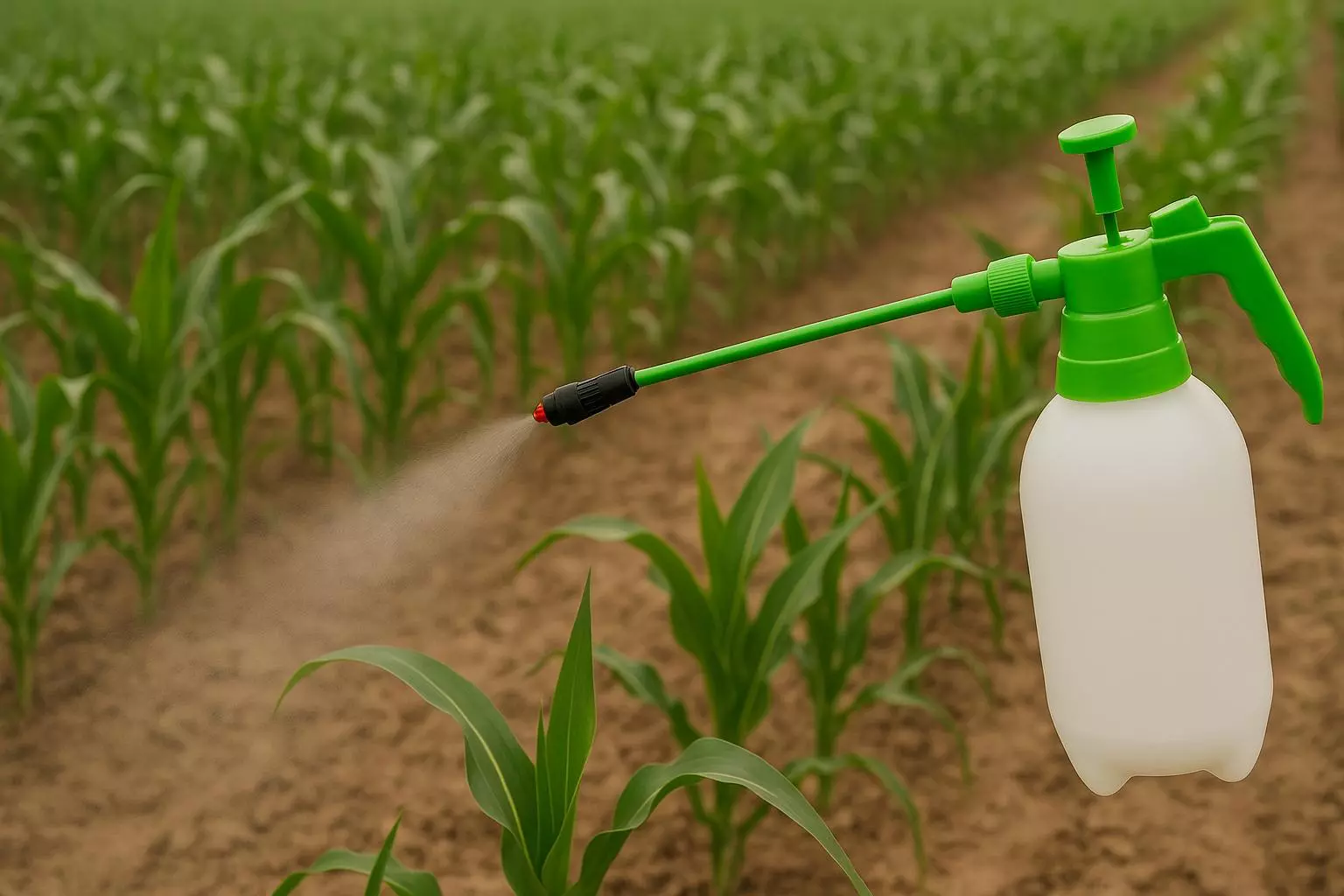
More Yield, Less Worry: The Power of a Curative + Preventive Formula
Farmers around the world face a common and persistent challenge—how to maximize yields while minimizing risk. Crops are constantly under threat from diseases, pests, and environmental stressors that can derail even the most carefully planned season.
One of the most effective solutions available today is combining curative and preventive approaches in a single formula. This dual-action strategy doesn’t just control problems after they appear; it helps stop them before they begin.
In modern agriculture, where precision and sustainability are more critical than ever, relying on outdated methods isn’t just inefficient—it’s costly. Embracing a formula that acts both as a shield and a remedy changes the game, giving growers peace of mind and a better bottom line.
What Does a Curative + Preventive Formula Really Mean?
At its core, a curative + preventive formula is a product designed to act in two stages:
- Preventive: Stops pathogens before they can infect the crop. It forms a protective barrier or stimulates plant defenses to block disease entry.
- Curative: Acts on infections that have already started, halting their development and reducing damage.
This one-two punch is especially important for fungal diseases, which can incubate quietly before symptoms appear. By the time a grower notices signs like leaf spots or wilting, the infection is already spreading.
The power of this approach lies in its ability to provide continuous protection—before, during, and after an outbreak. It minimizes the time window where crops are vulnerable and limits the need for repeat treatments.
Why Timing Is Everything in Crop Protection
A common misconception among farmers is that spraying should happen only when problems are visible. But most fungal pathogens infect silently. They might invade leaves or roots days or weeks before symptoms appear. Waiting to act means playing catch-up.
Integrating a curative + preventive formula into your crop schedule ensures that:
- Latent infections are addressed quickly.
- New infections are blocked from the outset.
A stronger, more durable crop that uses its energy to grow rather than to survive is the end outcome. Dual-action product-treated fields generally report yield stability increases of 20–30% under a range of climatic conditions.
Better root vigor, increased stress tolerance, and decreased reliance on inputs are frequently observed by farmers who combine biostimulants with disease management techniques. Purchasing Ecofit Biostimulant, which is well-known for raising nutrient use efficiency and increasing plant metabolism, is one increasingly reliable choice. By establishing a multi-layered defense system, this type of assistance improves crop health from the inside out.
The Role of Active Ingredients: Not All Are Created Equal
To understand how these formulas work, it’s helpful to look at the active ingredients involved. In most successful curative + preventive products, you’ll find a mix of:
- Strobilurins (QoIs): These work preventively by blocking fungal respiration at the spore germination stage.
- Triazoles (DMIs): These act curatively, targeting fungal sterol biosynthesis, which is critical for cell membrane integrity.
Together, they attack the pathogen at multiple life stages, reducing its ability to survive and adapt. But even beyond chemistry, formulation matters. Some products use microencapsulation or nano-dispersion to improve absorption and rainfastness, a huge plus during unpredictable monsoon seasons.
Plant Immunity: The Unsung Hero in Yield Protection
The crops are not helpless. Certain environmental stimuli have the ability to trigger their internal immune system. This is where the preventive side of current products shines—not just killing fungus, but helping the plant to protect itself.
The entire plant is primed to resist against a variety of dangers by certain biostimulants and systemic chemicals that initiate pathways such as SAR (Systemic Acquired Resistance). When taken early, this immunity boost:
- Reduces infection severity.
- Shortens recovery time after disease exposure.
“Strong crops don’t just survive—they outperform. When you build their defenses before the enemy arrives, you farm with foresight, not fear.”
Real-World Impact: What Growers Are Saying
Across varied geographies—whether it’s vineyards in Maharashtra or rice paddies in West Bengal—farmers are noticing a tangible difference when using curative + preventive systems. Many report:
- Less incidence of secondary infections
- Reduced need for emergency pesticide applications
- Increased fruiting and flowering during critical growth windows
In a recent AgriStat India poll of 2,000 farmers, 82% of respondents claimed that adopting a dual-mode formula improved disease management over conventional single-mode treatments. More significantly, they expressed less anxiety about outbreaks caused by weather, which is a major worry in the age of climate uncertainty.
Pairing Fungicides with Good Agronomic Practices
Even the best product won’t work in isolation. A curative + preventive formula must be paired with smart field practices to reach its full potential.
Key strategies include:
- Crop rotation: Breaks disease cycles, especially in monoculture systems.
- Sanitation: Removing infected debris reduces the source of spores.
- Canopy management: Promotes airflow, reducing leaf wetness and fungal proliferation.
Many growers also utilize plant disease forecasting models to precisely time their applications. These models integrate weather data, crop growth stages, and historical pathogen behavior to reduce guesswork.
Cost vs. Value: What You Gain from Dual Protection
It’s tempting to see dual-action products as more expensive upfront. But when you calculate the cost of crop loss, resprays, labor, and time, the numbers tell a different story.
For example:
- A grape grower using a preventive-only product might need 4–5 sprays per cycle.
- A grower using a curative + preventive combo often gets the same or better results with 2–3 well-timed applications.
This doesn’t just save money—it frees up time during critical periods, such as flowering and fruit set, when timing can significantly impact quality and yield.
According to FAO crop loss data, integrating a curative component into disease management can reduce yield losses by 25–40%, depending on crop type and disease pressure.
FAQs
What crops benefit most from a curative + preventive formula?
Virtually all crops can benefit, but it’s especially valuable in fruits, vegetables, and cereals where fungal outbreaks are common and fast-spreading.
How do I know when to apply?
Use a mix of field scouting, weather data, and crop stage to time applications. Preventive sprays are best applied just before high-risk weather; curative components kick in post-infection.
Can I mix these products with foliar nutrients?
Many dual-mode formulas are tank-mix compatible, but always perform a small test first. Read the label or consult an agronomist to avoid antagonistic reactions.
How often should I reapply?
That depends on the crop, disease pressure, and product. In general, expect a reapplication window of 10–21 days, but always refer to the label.
Is resistance still a concern with dual-action products?
Yes, but less so. Combining modes of action reduces the risk, especially if you rotate with other products and follow best practices.
Towards the Future: Developing a Crop Calendar That Is Disease-Proof
It's risky to rely only on reaction. Consider a seasonal defense strategy instead. Plan your crop stages, pinpoint disease windows, and apply at the right times to avoid issues. Use agronomic techniques, fungicides, and biostimulants in layers to increase resilience.
AI-based disease diagnosis, soil biome mapping, and genetic resistance breeding are just a few of the emerging technologies that will continue to advance. The fundamental principle remains true despite advancements in technology: complete and early crop protection results in higher yields, fewer concerns, and greater control over the season's course.
Growers who think ahead don’t just survive tough seasons—they rise above them. Because when protection starts early and acts deep, the results speak in harvests, not just hope.