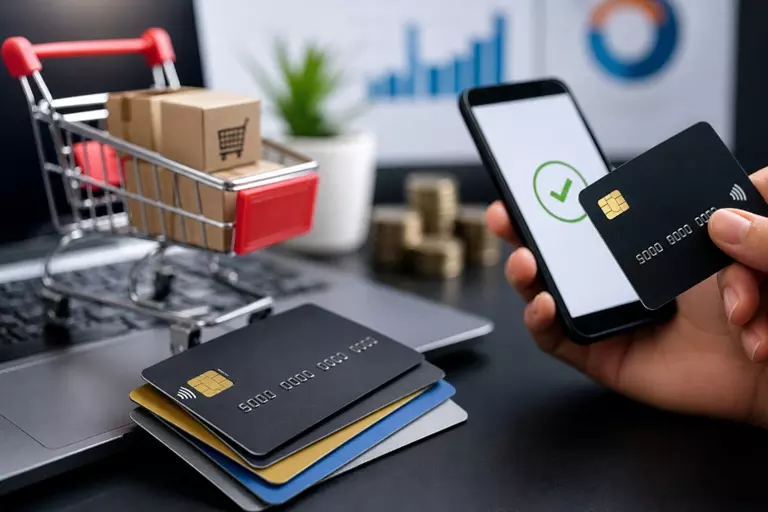
Credit Card Spends: Smart Habits to Stay Debt-Free
- There’s something oddly satisfying about tapping your card and walking away. No cash, no counting, no hassle. But here’s the thing—credit card spends can quietly grow into something bigger if you’re not paying attention. You’ve probably seen this happen, maybe even felt it yourself.
- One small purchase turns into five. Then suddenly, your bill looks… surprising.
- So, how do you enjoy the perks without falling into the trap? Let’s talk about it like real people do—no jargon, no lectures.
Understanding Your Credit Card Spends
- At its core, a credit card is simple. You spend now, you pay later. Easy, right?
- But the catch lies in how easy it feels. There’s no immediate “pain” like handing over cash. That disconnect can make your spending feel smaller than it actually is.
- Think about it. When you pay ₹500 in cash, you notice it. When you swipe, it barely registers.
- That’s why tracking your credit card spends matters more than you think.
Why Credit Card Spends Feel So Effortless
- Let’s be honest. Convenience plays a big role.
- You don’t have to carry cash. Online payments are smooth. Offers pop up everywhere—cashback, rewards, discounts. It almost feels like you’re saving money while spending it.
- But here’s the funny thing. Those small “savings” often push you to spend more than you planned.
- And it adds up fast.
The Psychology Behind Credit Card Spending
- There’s actual psychology behind this behavior.
- When you use cash, your brain registers a loss instantly. But with cards, that feeling is delayed. So you spend more freely.
- You might think, “It’s just ₹200.” Then again, and again. By the end of the month, it’s not “just ₹200” anymore.
- It’s ₹5,000 or more.
- And now you’re wondering where it all went.
Common Mistakes People Make with Credit Card Spends
- We’ve all made a few of these. Some are obvious. Others sneak in quietly.
- One big mistake is treating your credit limit like extra income. It’s not. It’s borrowed money.
- Another one? Paying only the minimum due. It feels like relief, but interest keeps growing in the background.
- Then there’s impulse buying. Flash sales, late-night scrolling, quick swipes—it’s a pattern many fall into.
- And let’s not forget ignoring statements. That’s where problems really begin.
How to Control Your Credit Card Spends Without Feeling Restricted
- Now, cutting off your card completely isn’t realistic. Nor is it necessary.
- You just need a system that works for you.
- Start by setting a monthly spending cap. Not what the bank allows, but what you can comfortably repay.
- Also, try this simple trick—pause before every non-essential purchase. Just a few seconds. Ask yourself, “Do I really need this?”
- Sounds basic, but trust me, it works.
- Another thing—use only one or two cards. Too many cards can get messy fast.
Smart Habits to Manage Credit Card Spends
- Building good habits doesn’t mean becoming boring with money. It just means being aware.
- Pay your full bill every month. No exceptions. This alone can save you from heavy interest.
- Turn on spending alerts. Most apps offer this now. You’ll know exactly when and where your money goes.
- Also, review your statement once a week. Not monthly. Weekly makes it easier to catch patterns early.
- And if something feels off, don’t ignore it.
Using Rewards Without Overspending
- Rewards are great. Cashback feels like a win. Points can be useful.
- But chasing rewards can lead to unnecessary spending. That’s where many go wrong.
- If you’re buying something just for points, you’re not saving money. You’re spending more.
- A better approach? Earn rewards on things you already need. Groceries, bills, fuel—those add up anyway.
- Keep it simple.
When Credit Card Spends Become a Problem
- Sometimes, it goes beyond small mistakes.
- If you’re constantly rolling over balances, missing payments, or feeling anxious about your bill—that’s a sign.
- Debt doesn’t always look dramatic. It builds quietly.
- And the stress? It creeps in slowly too.
- If this sounds familiar, it’s time to pause and reset.
- Start small. Pay more than the minimum. Cut back on extras. Focus on clearing dues.
- You don’t have to fix everything overnight.
Real-Life Scenario: A Common Story
- Let’s say someone starts using a credit card for convenience. Swipes for food, shopping, subscriptions.
- Nothing big at first.
- Then a sale comes. They buy more. “It’s discounted,” they think.
- Next month, the bill is higher than expected. They pay the minimum. The cycle continues.
- A few months later, the balance feels heavy.
- This isn’t rare. It happens all the time.
- But here’s the good part—it’s fixable.
Read: How to Use Bad Credit Personal Loans to Stay on Top of Your Bills
A Simple Reset Plan
- If your credit card spends are out of control, don’t panic.
- Start by listing all your dues. Knowing the number helps.
- Then focus on clearing one card at a time. Small wins build momentum.
- Avoid new spending unless necessary. Give yourself breathing room.
- And if needed, switch to debit or cash for a while.
- It’s not about punishment. It’s about regaining control.
Building a Healthy Relationship with Credit Cards
- Credit cards aren’t the enemy. They can actually be useful.
- They help build your credit score. They offer security and convenience.
- The key is balance.
- Use your card as a tool, not a backup plan for overspending.
- Think of it like this—if you can’t pay for it today, think twice before swiping.
- That mindset changes everything.
Conclusion: Make Your Credit Card Work for You
- At the end of the day, credit card spends aren’t good or bad. It depends on how you use them.
- A little awareness goes a long way. Small habits make a big difference over time.
- You don’t need to be perfect. Just be mindful.
- So next time you reach for your card, take a second. Think it through.
- Because the goal isn’t to stop spending. It’s to spend smart—and sleep peacefully at night.