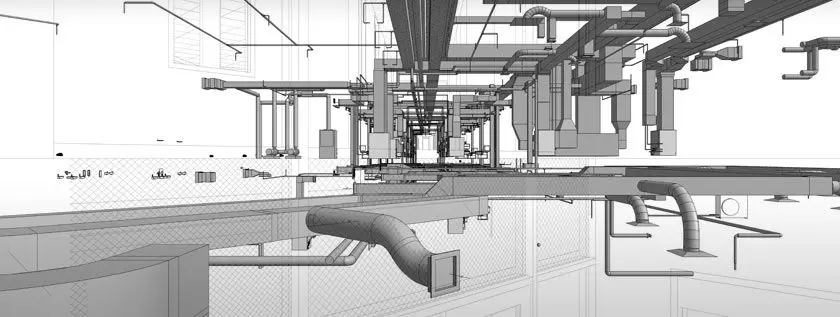
Model-Based Estimating: BIM Modeling Services for Faster Construction Estimations
Accurate estimates start with reliable inputs. When a model is built so it can be measured, estimators stop guessing and start working with numbers that trace back to something real. That’s the essence of model-based estimating: BIM Modeling Services supply the measurable data, and Construction Estimation Services turn that data into a usable budget. The result is faster bids, fewer surprises, and clearer decision-making early on.
What model-based estimating actually means
Model-based estimating replaces paper counting with digital extraction. Instead of manually reading dozens of drawings, an estimator extracts quantities directly from a coordinated 3D model. That model includes not only geometry but metadata — materials, finishes, lengths, areas — everything you need to count and cost accurately.
When BIM Modeling Services are set up with the right tagging and consistency, Constructon Estimation Services can run reliable takeoffs in a fraction of the time traditional methods require.
People often expect a silver bullet. There isn’t one. But there is a method: build a model that was created for measurement, not just for visualization, and your estimates get dramatically better.
How BIM Modeling Services Speed Up Estimating
The practical gains are immediate. With a clean model, quantity takeoffs are automated; change orders are reflected instantly; and what-if scenarios are quick to run. Good BIM Modeling Services mean modelers think in terms of extractable data from day one — families named properly, components tagged consistently, and layers arranged logically. Then Construction Estimation Services can map those items to cost codes and unit rates without wasting time reconciling drawings.
Some direct effects you’ll notice:
- Bid preparation time drops noticeably.
- Fewer missed items in takeoffs.
- Better traceability for each line item back to the model.
- Faster responses to design changes and client queries.
These aren’t theoretical benefits. They are practical improvements that affect margins and schedule.
A simple step-by-step workflow
If you want to use model-based estimating but aren’t sure where to start, follow a straightforward loop that links BIM Modeling Services to Construction Estimation Services:
- Agree on deliverables and the required Level of Detail (LOD).
- Build the coordinated 3D model with agreed-upon tags and naming conventions.
- Run clash detection and fix obvious coordination issues.
- Extract preliminary quantities and run a pilot takeoff.
- Map extracted items to unit rates and regional pricing.
- Produce a time-phased estimate and review with the project team.
Start with a pilot area — a single floor or a representative zone — and iterate. Small pilots expose mapping errors early and allow both modelers and estimators to refine the handoff.
Common pitfalls and how to avoid them
Even with the best intentions, projects stumble on a handful of repeatable issues. Most are process problems rather than technical ones.
- Inconsistent naming: If one discipline names a door “D1” and another calls it “DoorA,” automated counts break. Agree on naming from the outset.
- Missing tags: Quantities need material or unit tags. Require a minimal tag set before extraction.
- Over-detailing: Modeling every tiny bolt adds time but rarely helps estimation. Match LOD to what the estimator needs.
- Late estimator involvement: If estimators are only pulled in late, rework multiplies. Include them early.
Address these items with simple rules and short, regular alignment sessions. The fixes are small; the payoff is large.
The real benefits that owners and contractors can see
If the transition between estimate and model is seamless, everyone gets clarity. Contractors can create more competitive bids due to their takeoffs are quicker and less prone to error. Owners get transparent budgets with traceability that reveal how much money is spent and for what reason. Project managers are provided with schedules linked to costs, which help plan cash flow.
Practical outcomes include:
- Faster bid cycles and more responsive proposals.
- Reduced material waste through accurate ordering.
- Lower risk of late-stage surprises and costly change orders.
- Better client trust due to transparent, model-linked estimates.
These benefits add up across a program of work, not just a single project.
How to get started without a big upfront cost
You don’t need to overhaul everything at once. Try these modest first moves:
- Run a one-floor pilot linking BIM Modeling Services and Construction Estimation Services.
- Ask modelers to provide a short naming and tagging cheat sheet.
- Use an intermediate export (IFC or QTO) to validate quantities before full integration.
- Keep a dated price book so unit rates are auditable.
Pilots give you a template to scale. They also prove the business case quickly: less time spent on takeoffs, fewer disputes later, and clearer budgets at the point of procurement.
Conclusion
Model-based estimation is practical and repeatable if teams are able to agree on handoffs and rules. BIM Modeling Services create extractable, trustworthy data. Construction Estimation Services translates that data into budgets that you are able to trust.
Together, they make estimation quicker, more precise, and more enforceable. Begin with a small project, establish basic guidelines, and then increase the number of times, and the gains are evident in the time saved, fewer errors, and clearer control of finances throughout construction.
Would you like a single-page checklist for a starter that you could give to estimators and modelers during your next launch? I'm happy to create it for you based on your project kind.