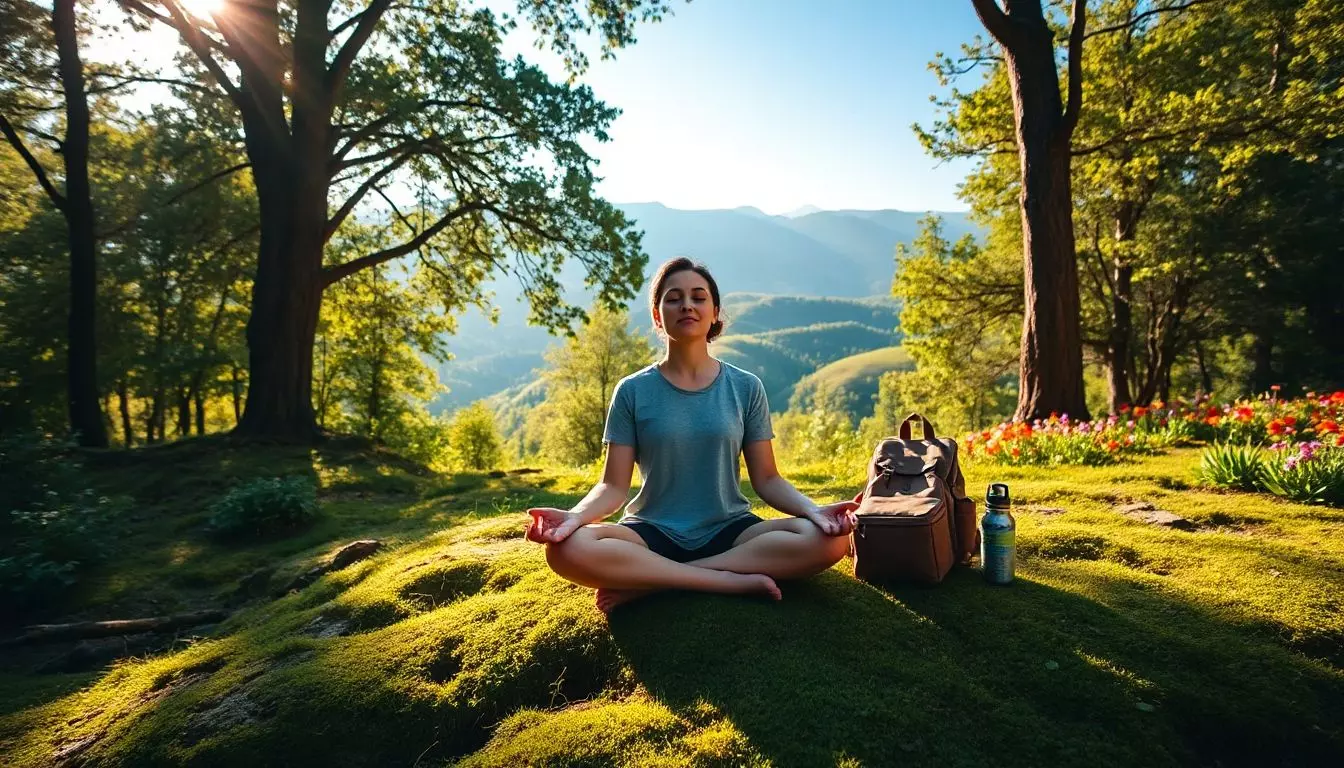
Mindful Travel Tips for Meaningful and Conscious Journeys
Travel is changing. More people are seeking ways to explore new places with purpose. The idea of mindful travel is gaining popularity as a way to make trips more meaningful. It’s not just about seeing sights it’s about being present, respecting your surroundings, and leaving a positive mark.
Research shows that mindful travel boosts well-being, reduces stress, and fosters genuine cultural connections. Travelers also notice a smaller environmental footprint when they travel responsibly. As eco-tourism grows, more conscious choices are becoming part of every trip.
If you want your travels to be more than just a checklist of sights, these practical mindful travel tips will help you travel with intention. Incorporate these ideas into your next journey for a richer, greener, and more respectful experience.
Understanding Mindful Travel
What Is Mindful Travel?
Mindful travel means being fully aware of your surroundings and your actions. It’s about going beyond selfies and souvenirs. This type of travel focuses on understanding and respecting the places you visit. Mindful travelers slow down and pay attention rather than hurrying from one place to another.
Core principles include awareness, intention, and respect. It's not only about where you go; it's also about how and why you go. This approach transforms how you connect with new environments and cultures.
Benefits of Mindful Travel
Travel that’s done mindfully offers many rewards. On a personal level, it reduces travel stress, helps you stay grounded, and boosts happiness. You’ll also find yourself more connected to the moment and your surroundings.
Culturally, mindful travel promotes authentic engagement and respectful exchanges. By assisting small companies and regional craftspeople, it strengthens local economies. Environmentally, it helps preserve natural sites and reduces waste.
Studies link mindfulness practices to longer, healthier lives. When you travel consciously, your experiences become deeper and more memorable.
Common Misconceptions
Many believe mindful travel means giving up fun or adventure. That’s not true. Making intelligent activity choices is more important than avoiding comfort or excitement.
Some think mindfulness is all about meditation or silence. It's really just being present and paying attention. You can be adventurous and still practice mindfulness. The two ideas can work hand in hand to make your trip richer.
Planning a Mindful Trip
Intentional Goal-Setting
Start with a purpose. Ask yourself: What do I want from this trip? Do I want to explore nature, unwind, or learn about a different culture? Setting clear goals helps you stay focused and aligned with your values.
Create a list of what matters most. Maybe it’s trying local food, learning a language phrase, or volunteering. Your goals shape your itinerary so that your travel feels meaningful rather than rushed.
Eco-Conscious Planning
Choose destinations that prioritize sustainability. Seek out environmentally conscious lodgings that include garbage recycling or renewable energy initiatives. Prefer accommodations with green certifications.
Think about transportation too. Opt for trains or buses over flights when possible. Carpool or rent bikes to get around. Consider purchasing carbon offsets to balance out your travel emissions.
A small amount of preparation can have a significant influence on your environmental footprint.
Packing Mindfully
Pack lightweight and sustainable gear. To reduce trash, bring reusable containers, bags, and bottles. Choose clothes made from eco-friendly fabrics that last longer.
Prepare your mind for mindful travel. Practice patience and flexibility. Pack a journal or download meditation apps to help you stay centered on the go. Small, thoughtful preparation sets a calm tone for your trip.
Practicing Mindfulness During Travel
Observation and Engagement
Take time to really see your surroundings. Notice the colors, sounds, and smells. Listen to local stories and conversations. Ask questions respectfully to learn more about your environment.
Engage with local communities genuinely. Visit markets, attend cultural events, and support local artisans. Remember that you are a visitor; be considerate and inquisitive.
Staying Present Amidst Travel Stress
Travel can bring stress, delays, or confusion. Use breathing exercises or simple body scans to stay calm. Focus on your breath for a few moments when feeling overwhelmed.
Accept disruptions as part of the journey. When something goes wrong, stop, take a deep breath, and adjust. Even in the face of difficulties, staying in the now allows you to enjoy the experience.
Technology Use
Digital tools are helpful but can also distract you. Limit social media and constant notifications. Use mindfulness apps or guided meditations to stay grounded.
Make memories, but remember to live in the present. Balance your screen time with real-life engagement.
Responsible and Respectful Travel Practices
Supporting Local Communities
Choose locally owned hotels, restaurants, and shops. Instead of big chains, look for small, family-run businesses. Buy handcrafted goods straight from makers to support regional economy.
Participate in community-based tourism experiences. Join guided tours led by local residents. Your investment keeps tourism sustainable and benefits the community.
Respecting Cultural Norms
Do some homework before you arrive. Learn basic greetings, customs, and etiquette. Dress modestly if required, especially in religious sites.
Avoid cultural appropriation don’t wear costumes or adopt practices that belong to a culture without understanding their significance. When locals discuss their customs, pay attention silently and show respect for them.
Minimizing Environmental Impact
Carry reusable items like water bottles, utensils, and bags. Properly dispose of trash and recycle when possible. Avoid single-use plastics; bring your own.
Join conservation or volunteer programs responsibly. Plant native trees, clean beaches, or help in local conservation efforts, but always follow guidelines and respect the environment.
Cultivating Mindfulness Beyond the Trip
Reflection and Gratitude
After your trip, take time to reflect. Write down what you learned, the moments that touched you, and what you’re grateful for. It deepens your connection to the experience and sets intentions for future travel.
Share your stories and new insights with friends or social media. Your actions can inspire others to travel more responsibly.
Continuing Mindful Practices
Don’t stop with your trip. Incorporate mindfulness into everyday life. Practice gratitude, meditation, or mindful walking. These habits help maintain the calm, awareness, and respect you cultivated during travel.
Encourage others to adopt responsible travel habits. Lead by example and help build a worldwide community of conscious travelers.
Conclusion
Travel with purpose. Plan intentionally, respect local cultures, and choose environmentally friendly options. Practice presence and kindness in every step of your journey.
Mindful travel isn’t just about the trip it’s about creating positive change both within yourself and in the world. Your choices matter. When you travel consciously, the experience becomes richer, more meaningful, and truly transformative. Make your next adventure one filled with awareness, respect, and joy.
FAQs About Mindful Travel Tips
What is mindful travel?
Mindful travel means being fully present during your trip. It involves paying attention to your surroundings and respecting local cultures.
How can I stay mindful while traveling?
Focus on your senses—notice smells, sights, and sounds. Take deep breaths and pause often to stay grounded.
Why is packing lightly helpful for mindful travel?
Light packing reduces stress and makes it easier to move around. It also encourages a simpler, more intentional trip.
How do I respect local customs and environments?
Research local traditions beforehand. Follow rules, ask permission if needed, and leave places as you found them.
What's a good way to disconnect during travel?
Limit screen time and enjoy nature or local interactions instead. Set aside moments to simply be present.
How can I travel sustainably?
Choose eco-friendly options, reduce waste, and support local businesses. Small actions add up to a big impact.