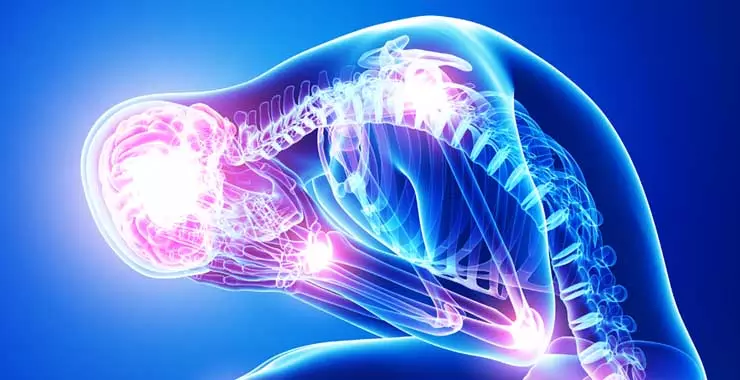
Mind-Body Connection: How Meditation Improves Movement and Focus
In your daily life, movement and concentration often feel like distinct parts of your physical and mental worlds. What if I told you they influence one another more than you might imagine? The mind-body connection bridges that gap—especially in conditions that affect movement, such as tremors. In this article, I explain how meditation can improve movement and focus, and I walk you through practical steps to put it into practice.
Why the Mind-Body Connection Matters for Movement and Focus
The brain controls every muscle movement, including those you don’t consciously think about. Simultaneously, your mental state—stress levels, attention, anxiety—affects how your body responds. When you feel anxious or distracted, you might grip a pen too tightly, shake nervously, or find fine motor tasks more difficult. Over time, chronic stress can fuel tension in muscles and reduce coordination.
Meditation strengthens that connection by training your brain to manage stress, regulate attention, and shift into calmer states. That, in turn, helps your nervous system support smoother movement, steadier hands, and sharper focus.
How Meditation Changes Your Brain and Nervous System
Let me walk you through what happens in the brain and nervous system when you meditate regularly:
- Reduced Stress Hormones
- Meditation lowers cortisol and adrenaline levels, which otherwise keep your nervous system in “fight or flight.” With those stress chemicals in check, your muscles relax, your heart rate steadies, and tremors—sensations of involuntary shaking—can become less intense.
- Improved Neural Connectivity
- Brain imaging studies show that meditation enhances connectivity between the prefrontal cortex (which governs attention and inhibition) and deeper brain regions like the amygdala (which regulates emotion). Better connectivity means your brain can shift more smoothly from reactive states to calm focus.
- Enhanced Autonomic Nervous System Balance
- You have two arms of the autonomic system: sympathetic (activating) and parasympathetic (rest and digest). Meditation encourages parasympathetic dominance, which soothes muscle tension and supports controlled movement.
- Stronger Inhibitory Circuits
- Some movement disorders, including tremor, arise from overactive motor circuits. Meditation enhances inhibitory pathways—those that tell motor circuits to “slow down” or “pause”—thus helping smooth out or dampen unwanted movements.
- Better Attention Networks
- When your attention network (especially in the frontal and parietal lobes) works more efficiently, distractions fade and you can stay more present. That helps your mind steer movement smoothly, rather than “jerking” in response to intrusive thoughts or anxiety.
In short: by changing your brain, meditation changes your movement.
What Research Says: Meditation and Motor Control
Researchers have explored meditation in various movement and neurological conditions. In Parkinson’s disease, for instance, studies show that mindfulness-based practices can reduce anxiety, improve quality of life, and may help with motor symptoms. Although more trials are needed, the pattern is promising: mind training complements physical and medical therapies.
While there’s less direct research in essential tremor, the principles still apply. Tremor often worsens under stress or anxiety, and meditation addresses those triggers. So, for people seeking ways to Natural Treatment for Essential Tremor, meditation can play a supportive role alongside medical and lifestyle treatments.
How Mindfulness Helps Manage Tremor Symptoms
Let’s speak directly about tremor: the involuntary, rhythmic shaking of parts of your body. Many people with tremors notice that symptoms intensify during stress, excitement, or concentration. Mindfulness techniques—where you learn to notice and gently release tension—can help.
Here’s how mindfulness helps tremors:
- You learn to observe shaking without fighting it, which paradoxically reduces muscular tension.
- You become more aware of subtle pre-tremor cues (muscle tightening, emotional tension), letting you intervene earlier.
- You shift your nervous system away from sympathetic overdrive, reducing tremor amplitude.
- You stabilize your attention so tremors don’t hijack your concentration, especially when doing fine tasks.
In practice: if you feel your hand beginning to tremble while writing, pause, take three slow breaths, centre your attention on the weight of the pen, allow the shaking to soften, and resume. Many people find the tremor diminishes or becomes easier to tolerate.
Choosing a Meditation Style for Movement and Focus
Not all meditation styles influence movement equally. Here are a few worth exploring:
- Mindfulness-based meditation (Vipassana style)
- You focus on your breath or body sensations with nonjudgmental awareness. This method strengthens your ability to observe tension and relax muscles over time.
- Loving-kindness (Metta) meditation
- You cultivate gentle compassion toward yourself and others. This can lower emotional stress, which, in turn, helps reduce tremors triggered by anxiety.
- Body scan meditation
- You systematically scan body parts from toes to head, noticing tension and releasing it. This builds awareness of how stress or fear tightens muscles.
- Zen (Zazen) or concentrative meditation
- You maintain steady posture and gently hold attention on a point (breath, mantra). Because your posture stays still, you learn to hold subtle motor control for longer.
- Guided imagery or movement-aware meditation
- You visualise smooth, calm motion or move in sync with breath. This can help you rehearse controlled movement mentally, which improves motor performance in real life.
It’s okay to combine elements: start with body scan, then shift to breath awareness, and finish with gentle guided imagery of smooth movement.
How to Begin: A Simple Meditation Routine
You don’t need fancy equipment or years of experience. Here’s a beginner’s plan:
- Find a quiet spot
- Sit comfortably in a chair or on a cushion, with your back upright but relaxed.
- Set a timer for 5 minutes
- Start with 5 minutes per session and slowly increase to 15–20 minutes over weeks.
- Begin with a body scan
- Start at your toes, move upward, and notice tension in legs, hips, back, arms, shoulders, neck, face.
- Focus on your breath
- Shift attention to natural breathing—feel the air entering your nostrils or the rise and fall of your chest.
- Observe distractions
- When thoughts or emotions intrude, notice them without judgement, and gently return to your breath.
- Apply to tremor awareness
- If you notice a tremor starting, gently shift attention to that area, soften around it, breathe into that space, and allow movement to settle.
- End with a few deep breaths and gentle stretch
- Slowly open your eyes, stretch your arms or legs, and return to your day.
Over weeks, aim for two meditation sessions per day, ideally morning and evening.
Addressing Common Concerns
“I can’t sit still — my tremor distracts me.”
That’s normal. Begin with very short sessions (2–3 minutes). Use an easier posture (lying down or supported in a chair). Focus attention near but not exactly at the tremoring limb until you build steadiness.
“Meditation is too vague or spiritual.”
You don’t need a belief system. Think of meditation as mental training—just like physical exercises. It’s about attention, awareness, and calm—not doctrine.
“Will meditation replace my medications or therapies?”
No, don’t stop any treatments without discussing with your doctor. Meditation is a complement—not a substitute—for medication, physical therapy, or surgery.
“I don’t have time.”
Even a few minutes per day make a difference. Better short consistency than long but sporadic sessions.
“I try but my mind wanders constantly.”
That’s expected. The job of meditation isn’t to stop thoughts; it’s to notice them and return gently to your anchor (breath, body). Over time, you’ll improve.
Tips to Get the Most Out of Meditation
- Be consistent. Daily practice—even if brief—yields far more benefit than occasional long sessions.
- Choose a stable time and place. When you do it the same time and spot, your brain begins to “expect” calm.
- Record your experience. Keep a journal: when tremors worsen or improve, and what emotional state preceded them.
- Pair with movement. Start or end with gentle stretching, tai chi, or yoga to heighten body awareness.
- Join a group or use an app. Guided classes can provide structure, especially early on.
- Track progress. After several weeks, you may notice steadier hands, calmer mental state, or sharper focus.
Integrating Meditation into Daily Life
Formal sessions help, but you can weave mindfulness throughout your day:
- Breath check-ins. When waiting (e.g. at a bus stop), pause and breathe for 20 seconds.
- Mindful walking. Walk slowly, feeling each part of the foot touch ground, noticing balance.
- Mindful hand tasks. When doing an activity that provokes tremor (e.g. brushing teeth, holding cutlery), slow down and stay fully present with tension and movement.
- Micro-pauses. Between tasks, take a breath, scan for tension, release shoulders.
Over time, your nervous system becomes more attuned to calm and steadiness.
How Meditation Supports Focus and Cognitive Clarity
Beyond improving movement, meditation sharpens attention and executive functions:
- Less mental chatter. You learn to nonjudgmentally observe thoughts and let them pass.
- Better switch control. You gain the ability to steer your attention away from distractions.
- Improved working memory. Meditation enhances your ability to hold and manipulate information.
- Emotional regulation. By calming reactive parts of the brain, you maintain clarity even under stress.
If you struggle with concentration while tremors interfere, meditation helps centre you so movement no longer fragments attention.
Mind-Body Practices That Complement Meditation
Pairing meditation with other body-minded practices boosts results:
- Gentle yoga or tai chi. These practices connect breath, movement, and balance.
- Progressive muscle relaxation. You tense and release muscle groups to build tension awareness.
- Biofeedback or neurofeedback. Devices measure muscle tension or brainwaves and help you learn self-control.
- Breathwork exercises. Techniques like diaphragmatic breathing reduce sympathetic drive.
- Guided imagery of smooth movement. Mentally rehearse calm, controlled motion before doing the task.
These practices deepen the mind-body link and accelerate improvements in movement and focus.
Case Example: Sarah’s Experience with Tremor and Meditation
Let me share a sample narrative (names changed). Sarah, aged 55, developed essential tremor in her hands, especially when writing or holding a mug. She felt frustrated and anxious, which worsened her tremor. Her neurologist prescribed propranolol and referred her to occupational therapy.
She also began a meditation practice. At first she could only manage 3 minutes sitting, with tremors shifting her posture. But she applied a body scan, softened tension, and gradually extended to 15 minutes daily over three months. She paired meditation with guided imagery of smooth motions (pouring tea, writing slowly).
Over months, Sarah noticed her handwriting shakiness reduced slightly, especially on calmer days. Her anxiety decreased, and she felt more confident when doing delicate tasks. Although the tremor didn’t vanish, meditation gave her better control and improved her quality of life.
Her story illustrates how meditation doesn’t eliminate tremor, but improves how you live with it.
Precautions and When to Seek Medical Advice
While meditation is generally safe, keep in mind:
- If you have untreated psychiatric conditions (e.g. severe depression, psychosis), consult a mental health professional first.
- Sources of dizziness, vertigo, or cardiovascular conditions should be monitored when practising breathwork; start gently and stop if you feel faint.
- If tremors worsen suddenly or are accompanied by new symptoms (weakness, numbness, vision changes), seek immediate medical evaluation.
- Don’t use meditation as a replacement for prescribed treatments without your clinician’s oversight.
How This Fits with Other Approaches
To optimize outcomes, use meditation in combination with:
- Medical therapies (medication, botulinum toxin, deep brain stimulation)
- Physical and occupational therapy
- Lifestyle modifications (sleep, nutrition, exercise)
- Psychological support (stress management, cognitive therapy)
For people exploring complementary therapies, learning about All Natural Organic Supplements may also be of interest. Always talk to your doctor before adding supplements, especially if you already take medications. If you want evidence-based discussion about supplements, try our linked article on All Natural Organic Supplements.
And for guidance on non-drug options, don’t miss our resource on Natural Treatment for Essential Tremor.
Measuring Progress and Setting Goals
Set realistic and meaningful goals:
- Short-term goal (4–6 weeks): Meditate 5–10 minutes daily, notice any shifts in tremor severity or anxiety.
- Mid-term (3 months): Increase to 15–20 minutes, track tremor fluctuations and focus improvements in a journal.
- Long-term (6–12 months): Use meditation during tasks that challenge your tremor (writing, eating), and reflect on gains in steadiness and confidence.
Track metrics such as:
- Frequency or severity of tremor (self-rating)
- Duration doing fine tasks without interruption
- Self-reported stress or anxiety levels
- Concentration or productivity measures (e.g. time working undisturbed)
Celebrate progress, however modest. Even small improvements in steadiness and mental clarity count.
Sample Meditation Script for Movement Awareness
Here’s a script you can use or adapt:
Sit in a comfortable position. Close your eyes or soften your gaze. Take three deep, slow breaths.
Bring your attention to your feet. Notice any tension or warmth. Breathe into that area, relax.
Move your attention upward: calves, knees, thighs—soften each region.
Continue to abdomen, chest, back, shoulders, arms, hands. If your hand begins to tremble, rest your attention gently there and breathe into that area. Acknowledge the sensation without judging, allow it to soften.
Shift to neck, jaw, face. Let your jaw hang slightly, unclench your teeth, soften around the eyes.
Now rest attention at your breath. Feel air entering and leaving your body. If thoughts or emotions intrude, notice them and let them go, returning to breath.
If tremor arises, notice it without gripping or resisting. Breathe, soften, accept.
After several minutes, widen awareness to whole body and environment. End by taking two deep breaths, gently opening your eyes, stretching limbs.
You may record this as an audio file or use it in a guided meditation app.
Overcoming Challenges Along the Way
- Plateaus in benefit: If improvements stall, vary your meditation type (e.g. add loving-kindness or imagery).
- Busy schedule: Use micro-meditations (1–2 minutes) when full sessions aren’t possible.
- Boredom or restlessness: Alternate body scan, breath focus, movement imagery to keep practice fresh.
- Physical discomfort: Change posture—use back support, lie down, or use cushions as needed.
Summary: Why Meditation Helps Movement and Focus
Meditation impacts your brain and nervous system by:
- Reducing stress and overactivation
- Enhancing inhibitory control over motor circuits
- Strengthening attention networks
- Increasing body awareness and tension control
For tremor, meditation provides tools to manage symptoms, especially when anxiety or concentration trigger shaking. When paired with medical care, therapy, movement practices, and lifestyle changes, meditation can improve both movement control and mental focus.