MCB vs MCCB: Understanding the Right Circuit Protection for Every Application
Modern electrical systems depend on reliable protection devices to prevent damage caused by overloads and short circuits.
Whether in homes, commercial buildings, or industrial facilities, choosing the right circuit protection is essential for ensuring safety and uninterrupted power supply.
Among the most commonly used protective devices are the MCB and the MCCB. While both serve the purpose of protecting electrical circuits, they are designed for different applications and load capacities.
Understanding their differences helps homeowners, electricians, and businesses select the most suitable device for safe and efficient electrical installations.
What Is an MCB?
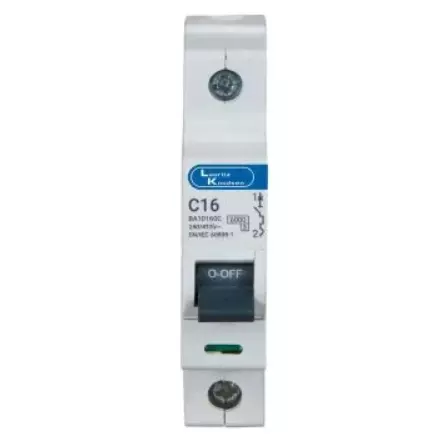
A MCB (Miniature Circuit Breaker) is a protective device designed to automatically disconnect an electrical circuit when it detects an overload or short circuit. It is widely used in residential and light commercial applications where electrical loads are relatively low.
Unlike traditional fuses, an MCB can be reset after it trips, eliminating the need for replacement and reducing maintenance costs.
Common applications include:
- Residential wiring
- Lighting circuits
- Power outlets
- Small office installations
- Household appliances
Because of its compact design and ease of operation, the MCB has become a standard component in modern distribution boards.
What Is an MCCB?
An MCCB (Moulded Case Circuit Breaker) is designed to protect electrical circuits carrying higher current levels.
Compared to an MCB, it offers greater current capacity, adjustable trip settings, and higher breaking capacity, making it suitable for commercial and industrial environments.
The MCCB is commonly installed where electrical systems power heavy machinery, large motors, or complex industrial equipment.
Typical applications include:
- Manufacturing plants
- Commercial buildings
- Industrial machinery
- Power distribution systems
- HVAC equipment
Key Differences Between MCB and MCCB
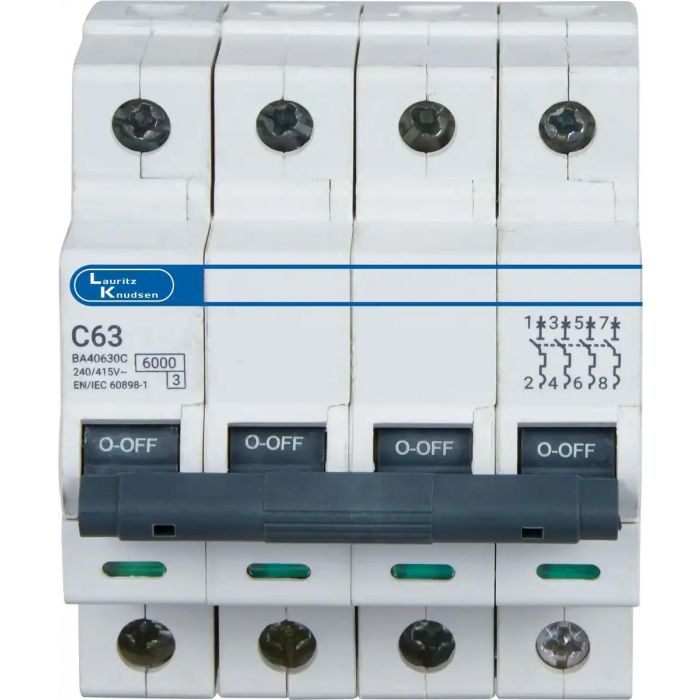
Although both devices perform similar protective functions, they differ in several important aspects.
Feature
MCB
MCCB
Current Rating
Lower current applications
Higher current applications
Breaking Capacity
Moderate
High
Trip Settings
Fixed
Adjustable
Primary Use
Residential and commercial
Commercial and industrial
Size
Compact
Larger and more robust
These differences make each device suitable for specific electrical environments.
When Should You Choose an MCB?
An MCB is generally the preferred choice for residential and small commercial installations where electrical loads remain within standard limits.
It offers several advantages:
- Quick fault detection
- Reliable overload protection
- Easy installation
- Resettable operation
- Low maintenance
Homes typically use multiple MCBs to protect individual circuits such as lighting, kitchen appliances, air conditioners, and power sockets.
When Is an MCCB the Better Choice?
Industrial and commercial facilities require protection for larger electrical loads that may exceed the capabilities of standard miniature circuit breakers.
An MCCB is ideal when you need:
- Protection for heavy electrical equipment
- Adjustable protection settings
- High interrupting capacity
- Improved operational flexibility
- Reliable protection for large motors
Its ability to handle higher fault currents makes it suitable for demanding electrical environments.
Benefits of Proper Circuit Protection
Selecting the appropriate circuit breaker provides several long-term advantages.
1. Improved Safety
Circuit breakers disconnect faulty circuits before excessive heat damages cables or equipment, reducing fire risks.
2. Better Equipment Protection
Sensitive electrical equipment remains protected from overloads and short circuits, helping extend its service life.
3. Reduced Downtime
Reliable circuit protection minimizes unexpected electrical failures that interrupt daily operations.
4. Lower Maintenance Costs
Resettable circuit breakers eliminate the recurring replacement costs associated with traditional fuses.
Factors to Consider Before Choosing
Choosing between an MCB and an MCCB depends on several technical factors.
1. Load Requirements
Determine the total electrical load before selecting a protection device.
2. Fault Current
Higher fault levels require breakers with greater interrupting capacity.
3. Installation Environment
Residential, commercial, and industrial facilities have different protection requirements.
4. Future Expansion
If additional electrical loads may be added later, selecting equipment with higher capacity provides greater flexibility.
5. Compliance with Standards
Always ensure the selected breaker complies with applicable electrical safety standards and installation requirements.
Installation Best Practices
Proper installation is just as important as selecting the correct breaker.
Follow these recommendations:
- Size the breaker according to the connected load.
- Use appropriate cable ratings.
- Ensure secure terminal connections.
- Install inside a suitable distribution board.
- Test breaker operation after installation.
- Schedule periodic inspections and maintenance.
Professional installation helps ensure long-term safety and reliable performance.
Common Mistakes to Avoid
Many electrical problems result from incorrect breaker selection.
Avoid these common mistakes:
- Choosing a breaker with insufficient current capacity
- Oversizing protection devices
- Ignoring future load increases
- Using industrial breakers in residential applications without need
- Skipping routine maintenance
Proper planning helps avoid costly repairs and improves overall electrical system reliability.
Why Understanding the Difference Matters
Although MCBs and MCCBs may appear similar, they are designed to solve different electrical protection challenges. Using the correct device ensures efficient operation, protects valuable equipment, and enhances the safety of both people and property.
Whether designing a new installation or upgrading an existing electrical system, understanding these differences allows for better decision-making and improved system performance.
Conclusion
Choosing between an MCB and an MCCB depends on the electrical load, installation environment, and protection requirements of the system.
While MCBs are ideal for residential and light commercial applications, MCCBs are better suited for higher-capacity industrial and commercial installations.
Selecting the right protection device improves safety, equipment reliability, and operational efficiency.
With over 70 years of expertise in electrical and automation solutions, Lauritz Knudsen Smartshop offers a comprehensive range of products designed to support safe, efficient, and dependable electrical systems across homes, businesses, industries, and infrastructure.