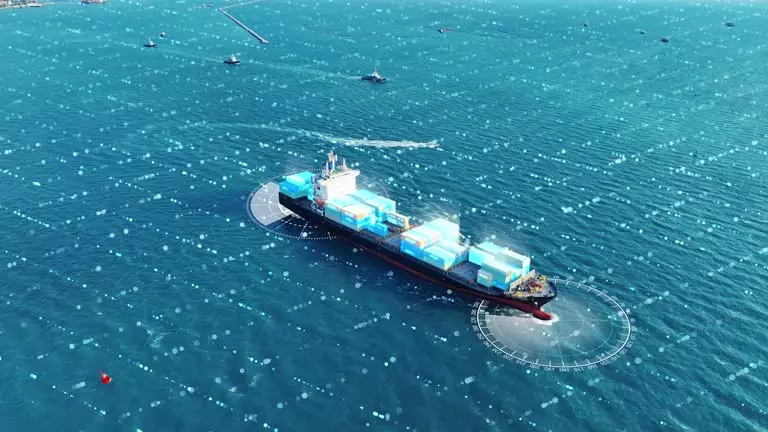
Maritime Fuel Tanker Insurance Protects Energy Cargoes Across Global Trade Routes
Fuel tankers transport crude oil, refined petroleum products, liquefied fuels, and other energy commodities between production centres, refineries, storage terminals, and consuming regions.
These vessels operate across long-distance routes where collisions, machinery failures, fires, severe weather, pollution incidents, and geopolitical disruption can create significant financial losses.
Maritime fuel tanker insurance helps shipowners and operators transfer selected risks while supporting continuity across global energy supply chains.
A recent study by Markntel Advisor highlights that the global maritime fuel tanker insurance sector was valued at USD 7.2 billion in 2025.
It is projected to grow from USD 8.5 billion in 2026 to USD 13.8 billion by 2032, registering a CAGR of 8.41% during 2026–2032. Expansion reflects energy transportation, higher vessel and cargo values, environmental liabilities, route uncertainty, and demand for broader risk protection.
Tanker Operations Create Multiple Insurance Requirements
A tanker may require several forms of protection rather than one policy covering every possible loss. Hull and machinery insurance can address physical damage to the vessel and its equipment, while cargo insurance protects the financial value of the transported fuel under agreed conditions.
Protection and indemnity cover commonly addresses third-party liabilities involving crew, collision, pollution, cargo damage, wreck removal, and other maritime responsibilities.
Operators may also arrange war-risk, loss-of-hire, freight, and business-interruption coverage according to the vessel, route, financing agreement, and operational exposure.
Pollution Liability Carries Significant Financial Exposure
Oil released during a collision, grounding, structural failure, or loading incident can affect coastlines, fisheries, ports, marine habitats, and nearby communities. Response costs may involve containment, clean-up, restoration, investigation, and compensation for economic losses.
The International Maritime Organization’s liability framework addresses compensation for pollution damage caused by ships.
The Civil Liability Convention establishes liability requirements for tankers carrying persistent oil as cargo, while eligible vessels must maintain insurance or other financial security for pollution-related responsibilities.
Vessel Safety Influences Underwriting Decisions
Insurers assess vessel age, construction, flag, ownership, classification, maintenance history, crew experience, cargo type, and intended trading routes. Older ships or vessels with incomplete inspection records may face higher premiums, restricted coverage, or additional conditions.
The IMO’s tanker safety requirements include stricter fire-safety provisions, inert-gas systems, structural standards, and enhanced inspection programmes.
Such measures help reduce the probability of fires, explosions, structural failure, and accidental pollution, making safety management directly relevant to insurance assessment.
Geopolitical Disruption Raises Route Risk
Fuel tankers frequently travel through strategic waterways such as the Strait of Hormuz, the Suez Canal, the Red Sea, and the Strait of Malacca.
Conflict, sanctions, piracy, military activity, and port restrictions can force vessels to change routes or remain at sea for longer periods.
The UN Trade and Development review of maritime transport identifies continuing volatility in tanker freight rates and disruption risks affecting major maritime routes. Changing conditions can increase voyage duration, fuel consumption, crew exposure, and war-risk insurance costs.
Environmental Regulations Shape Vessel Operations
Fuel tankers must comply with international rules covering vessel construction, operational discharges, pollution prevention, emergency planning, and waste management. These requirements influence both the probability of an incident and the potential response when one occurs.
The MARPOL Annex I framework establishes measures for preventing oil pollution from operational activity and accidental incidents.
Double-hull requirements, segregated ballast arrangements, equipment standards, and operating procedures have helped improve tanker safety over time.
Claims Depend on Accurate Evidence
A tanker-related claim may require survey reports, vessel logs, cargo documents, repair estimates, photographs, weather records, communication histories, and evidence of preventive action.
Pollution claims may also involve clean-up invoices, environmental assessments, government notices, and third-party loss documentation.
Shipowners must notify insurers promptly, preserve records, appoint approved surveyors, and take reasonable measures to prevent further damage.
Delayed reporting or incomplete documentation can complicate liability assessment and claims settlement.
Data and Monitoring Improve Risk Assessment
Automatic identification systems, engine sensors, weather-routing platforms, satellite tracking, and predictive maintenance tools provide insurers with more detailed information about vessel operations.
These technologies can help identify unsafe routes, machinery deterioration, unusual movement, or maintenance requirements.
However, digitalisation also introduces cybersecurity risks. Manipulated navigation data, compromised operational systems, or unauthorised access to cargo information could affect vessel safety and commercial operations.
Insurance programmes increasingly need to consider physical, environmental, geopolitical, and digital risks together.
The global maritime fuel tanker insurance landscape will continue evolving alongside energy trade, environmental regulation, alternative fuels, digital shipping, and geopolitical uncertainty.
Long-term resilience will depend on strong vessel maintenance, qualified crews, compliant insurance arrangements, accurate documentation, and coordinated risk management across shipowners, insurers, charterers, ports, and cargo interests.