Maintenance Tips for Maximizing the Lifespan of Rotary Lobe Pumps
Maximizing the lifespan of your rotary lobe pump is crucial to ensure optimal performance, reduce downtime, and avoid costly repairs. In this article, we will explore essential maintenance tips for rotary lobe pumps, specifically focusing on the steps you can take to maintain your equipment and ensure long-lasting efficiency. Whether you are a seasoned technician or a new user, these insights will help you keep your rotary lobe pump in excellent condition for years to come.
What is a Rotary Lobe Pump?
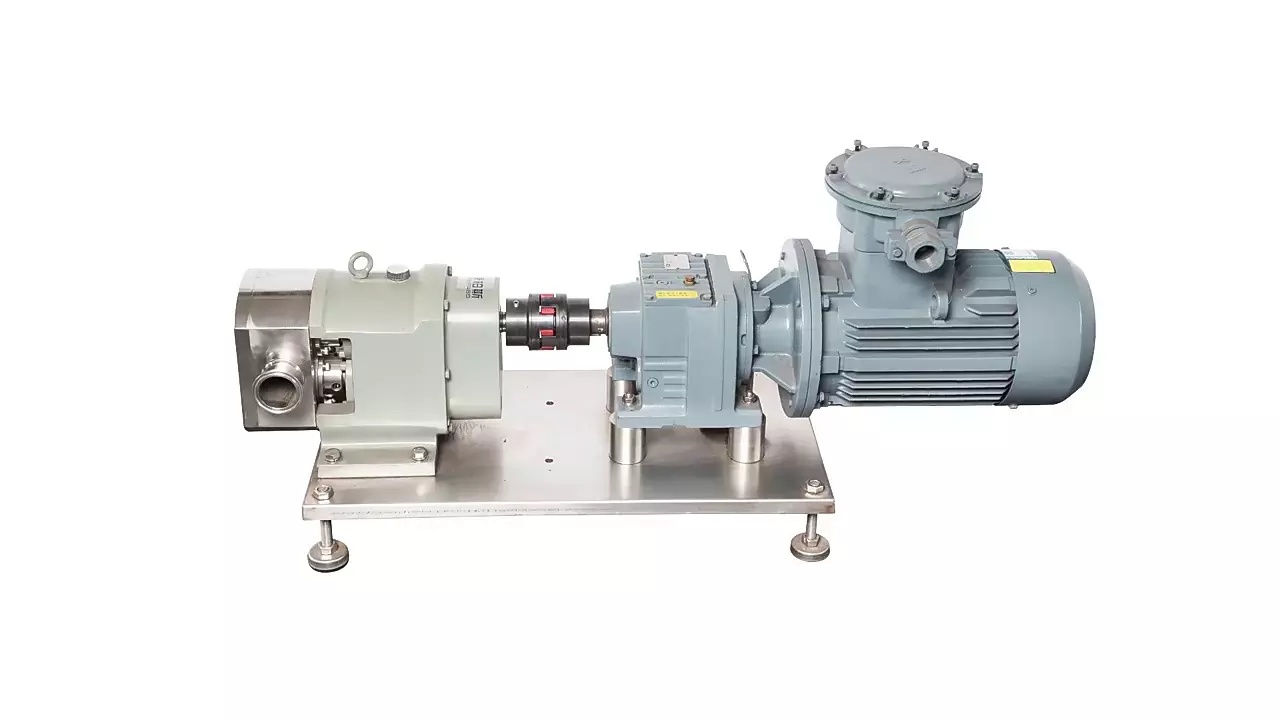
Before diving into maintenance practices, it’s important to understand what a rotary Lobe Pump is. A rotary lobe pump is a type of positive displacement pump that moves fluids by using two rotating lobes to create suction. These pumps are known for their gentle handling of fluids, making them ideal for applications where shear sensitivity is a concern. The primary components include the lobes, casing, and rotor, all working together to pump fluids efficiently.
Rotary lobe pumps are commonly used in industries like food processing, chemical manufacturing, and pharmaceuticals, where precision and reliability are critical. Due to their robust design, they can handle high-viscosity liquids, slurries, and even shear-sensitive substances.
Importance of Regular Maintenance
Proper maintenance of rotary lobe pumps is not just about ensuring smooth operation; it also helps to maximize the lifespan of the pump, improve operational efficiency, and reduce the risk of expensive repairs. Regular maintenance minimizes wear and tear on critical components, ensuring that your pump runs smoothly throughout its service life.
Neglecting maintenance can lead to a variety of issues, such as premature wear, clogging, leakage, and decreased pump efficiency. These problems can result in costly downtime and repair costs, which could have been avoided with simple maintenance practices. So, let’s dive into some expert tips for maintaining your rotary lobe pump effectively.
1. Regular Lubrication
Lubrication is one of the most important aspects of maintaining a rotary lobe pump. The pump’s internal moving parts, such as the lobes and rotors, need proper lubrication to reduce friction, prevent excessive wear, and ensure smooth operation. Inadequate lubrication can lead to overheating and faster degradation of key components.
To maintain optimal performance, ensure that your rotary lobe pump’s lubrication system is checked regularly. Always use the recommended type of lubricant for your specific model, as using the wrong type of oil can damage the pump. Oil levels should be checked frequently and topped up as necessary to maintain sufficient lubrication.
2. Monitor Temperature Levels
Temperature control is critical for the longevity of a rotary lobe pump. Overheating can cause seals to break down, which could result in leaks or other mechanical failures. Consistent temperature monitoring is essential to ensure that the pump operates within the manufacturer’s recommended temperature range.
Make sure to install temperature gauges on your pump to monitor its heat levels. If you notice the pump running hotter than usual, it could be a sign that something is wrong. Take the necessary steps to identify the root cause, whether it’s insufficient lubrication, overloading, or a malfunctioning cooling system.
3. Inspect Seals and Gaskets Regularly
Seals and gaskets play an essential role in maintaining the pressure integrity of your rotary lobe pump. Over time, these components can become worn out, leading to leaks and decreased performance. Regular inspection of seals and gaskets is vital to prevent these issues.
Look for signs of damage, such as cracks, tears, or discoloration. When you spot any wear and tear, replace the seals or gaskets immediately to avoid further damage to the pump. Avoid using inferior quality replacement parts, as these could cause additional problems down the line.
4. Keep the Pump Clean
A clean pump is a healthy pump. Dirt and debris can cause unnecessary wear on the internal components of the pump, leading to performance issues and potential failure. Regularly clean the external parts of the pump, especially the intake and discharge ports, to prevent any build-up of contaminants.
If your rotary lobe pump is used in food processing or pharmaceutical applications, ensure that all cleaning procedures follow industry regulations to avoid contamination. Use non-corrosive cleaning agents that won’t damage the pump’s components.
5. Monitor Pump Speed
Maintaining the proper speed is crucial for the efficient operation of your rotary lobe pump. Running the pump too fast can cause overloading and excessive wear on the internal components, while running it too slowly can reduce the pump’s capacity and performance.
Check the pump’s speed regularly and ensure that it is operating within the recommended range. Adjustments can be made through the motor controls to optimize the pump’s efficiency, which helps maximize its lifespan.
6. Avoid Dry Running
Dry running is a significant issue for rotary lobe pumps. When the pump operates without a sufficient flow of liquid, the internal parts can overheat and wear out quickly. In addition to damaging the lobes and seals, dry running can also affect the motor and cause it to burn out.
Always ensure that the pump has adequate fluid flow before operation. Consider installing a low-level protection system to prevent the pump from running dry in case of fluid depletion. This simple step can significantly extend the pump’s life.
7. Check for Cavitation
Cavitation occurs when air bubbles form in the pump chamber due to a drop in pressure. When these bubbles collapse, they can cause significant damage to the pump’s internal components. Cavitation is often a sign of improper pump settings or inadequate fluid supply.
To prevent cavitation, ensure that your pump is correctly sized for your application and that there is adequate suction pressure. Regularly monitor the system for signs of cavitation, such as unusual noises or vibrations, and take corrective actions if necessary.
8. Inspect the Rotors and Lobes
The rotors and lobes are the heart of the rotary lobe pump, so it’s crucial to inspect them regularly for signs of wear. Over time, abrasion from handling abrasive fluids can cause the lobes to become misshapen, leading to reduced efficiency and possible failure.
Examine the lobes and rotors for any signs of cracks, deformation, or wear. If they appear damaged, consider having them reconditioned or replaced to avoid compromising the pump’s performance.
9. Regularly Check the Shaft
The shaft is another essential component that should be inspected routinely. Misalignment or wear on the shaft can cause uneven movement, leading to more significant problems over time. Keep the shaft clean and ensure it is correctly aligned to prevent excessive strain on the pump.
10. Invest in Quality Parts and Spares
When it comes to repairs and replacements, always use high-quality parts designed specifically for your rotary lobe pump. Using generic or substandard components can lead to more frequent breakdowns and shorten the lifespan of your equipment.
At Ace Lobe Pumps, we offer premium-quality parts and spares designed to maximize the performance and lifespan of your rotary lobe pump. Always choose genuine replacement parts for optimal results.
Conclusion
Proper maintenance is key to maximizing the lifespan and performance of your rotary lobe pump. By lubricating regularly, monitoring temperatures, inspecting seals, keeping the pump clean, and taking other precautionary measures, you can ensure the pump operates efficiently and reliably for years to come.
Whether you're using a rotary lobe pump in the food industry, chemical manufacturing, or any other sector, keeping your equipment in top shape should be a priority. Ace Lobe Pumps provides you with high-quality pumps and parts, but it’s up to you to perform the necessary maintenance to maximize your pump’s lifespan