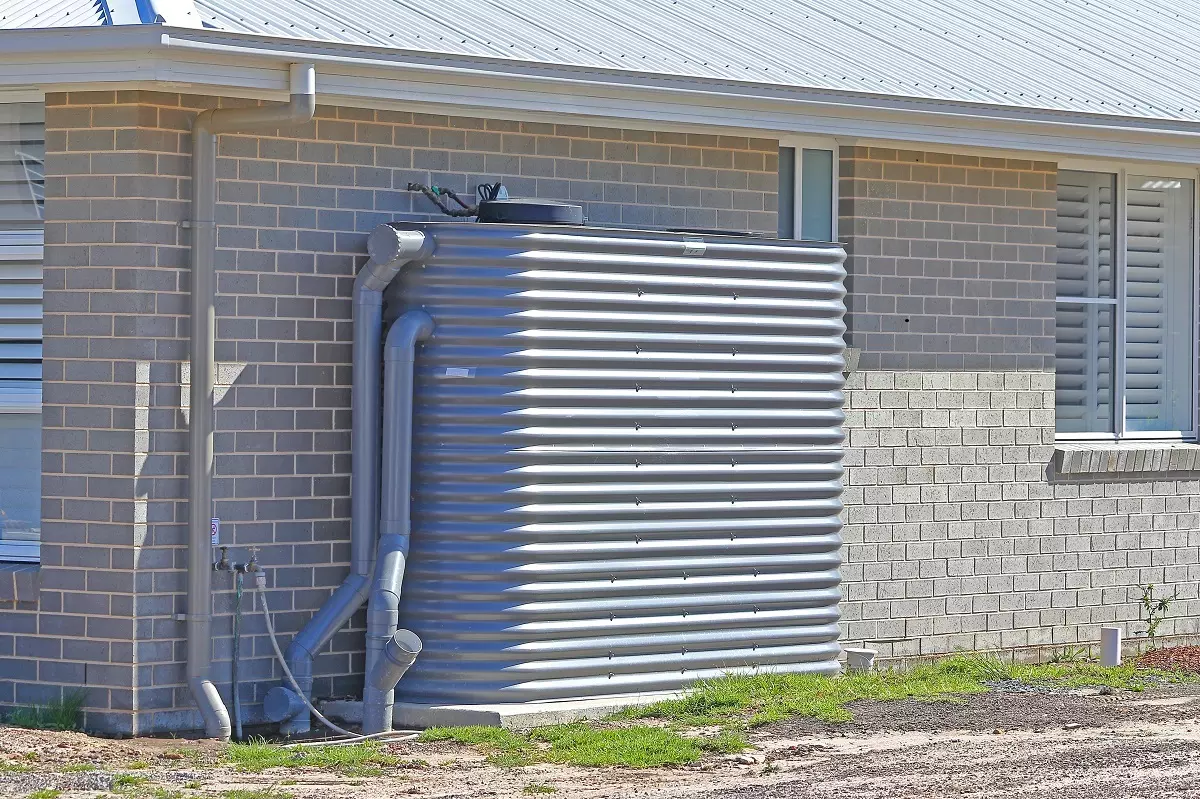
Maintenance Tips for Long-lasting Slimline Stainless Steel Water Tanks
Have you ever wondered how to keep your slimline stainless steel water tanks operating at its best for years on end? Perhaps you’re curious about whether stainless steel truly stands the test of time, especially under Australia’s harsh climate. Or maybe you’ve heard conflicting opinions on maintenance schedules and find yourself unsure where to start.
In this blog post, we’ll explore the ins and outs of maintaining these durable tanks, focusing on practical tips that you can use straight away. We’ll examine why slimline stainless steel water tanks is a popular choice in Australian conditions, show you how to spot early signs of wear, and offer suggestions on how to prevent rust, leaks, and other potential headaches. You’ll also learn the importance of routine inspections, seasonal care, and steps to ensure that your water stays clean and fresh.
By the time you finish reading, you’ll know exactly how to protect your investment for the long haul. Plus, we’ll answer a few of the top questions about water tank upkeep, like how often to clean them, whether professional help is necessary, and why this design type might be ideal for rural properties. Let’s jump in and look at the best ways to maximize the lifespan of your slimline stainless steel water tanks.
Understanding Slimline Stainless Steel Water Tanks
Slimline stainless steel water tanks are well-known for their ability to stand strong in punishing environments. In Australia, we often see extreme heat waves, heavy rains, and even bushfires in certain regions. That’s why choosing the right tank material, along with a space-friendly design, is vital.
What Makes Slimline Stainless Steel Water Tanks Ideal for the Australian Climate?
Stainless steel is a favorite in Australia because it provides excellent resistance to rust and corrosion. The protective chromium oxide layer on its surface makes it tough enough to handle high temperatures and strong UV exposure. Additionally, slimline stainless steel water tanks doesn’t leach chemicals into the water, which means better water quality in the long run. It’s also relatively easy to clean, so you can keep your supply fresh without too much hassle.
Comparing Slimline Stainless Steel Water Tanks to Other Tank Materials
Some people are tempted by plastic or fiberglass tanks as a cheaper option, but these materials can wear out faster under the harsh Australian sun. Plastic may crack over time, while fiberglass might require more frequent repairs. Concrete tanks are sturdy but can be prone to cracking under shifting ground. By comparison, slimline stainless steel water tanks offers a strong blend of durability, hygienic storage, and often comes with lengthy warranties, making it a wise investment for many Australian homes.
Installation Considerations for Long-Term Maintenance
Before you even start collecting water, the way you install and set up your water tank can impact how well it performs over time. Thinking about pivotal factors like location, foundation, and weather readiness will help reduce the chance of issues down the road.
Choosing the Right Location and Foundation
One of the most important decisions is where to place the tank. Look for a stable, level ground that can support the tank’s weight when it’s full. If you have a solid concrete slab or compacted base, you’ll decrease the likelihood of any sinking or shifting. Setting the tank in an area that’s easy to reach also makes future inspections smoother. Remember, if you can access the tank’s valves and fittings without difficulty, you’re more likely to stay on top of minor problems before they become major ones.
Long-Term Sustainability and Cost-Effectiveness
Investing in a slimline stainless steel water tanks can be a big decision. However, over the course of its lifespan, the benefits often outweigh the initial costs.
Is a Slimline Stainless Steel Water Tanks Worth the Investment?
People also ask, “Is a slimline stainless steel water tanks worth the investment?” In most Australian climates, yes, it is. Though stainless steel tanks generally have a higher upfront cost than plastic alternatives, their durability and reduced maintenance needs mean fewer repairs and less hassle. By choosing a space-saving slimline design, you also get the bonus of placing the tank in narrower areas, which might otherwise be wasted.
Balancing Initial Costs with Maintenance Savings
While the initial purchase and installation can feel steep, consider that a well-maintained stainless steel tank can last many years without major issues. You’ll spend less on repairs, and the material is less vulnerable to UV damage compared to plastic. Plus, collecting and storing your own water reduces reliance on mains water, potentially lowering your bills. Over time, these benefits can offset the upfront expenditure.
Preventive Measures and Care
Maintaining a slimline stainless steel water tanks isn’t just about dealing with problems after they appear. Preventing issues in the first place goes a long way toward smooth, worry-free performance.
Protecting Against Rust and Corrosion
Stainless steel is durable, but it’s still wise to guard it against rust triggers. Keep chemicals and fertilizers at a distance, as contact can corrode the protective oxide layer. Where possible, ensure no metals like copper or brass are in constant contact with the tank’s steel surface. If you spot any small scratches, you can sometimes polish them out using specialized slimline stainless steel water tanks cleaners. This simple approach will help keep your tank’s outer layer intact and functioning well.
Regular Checking of Fittings, Hoses, and Accessories
A water tank’s fittings, hoses, and accessories can wear down long before the tank itself. Schedule a quick inspection every couple of months to check for cracks, leaks, or signs of rust. Replace damaged parts immediately to stop minor problems becoming major headaches. In addition, remember to keep an eye on any taps or valves used for drainage. If they’re stiff to open or starting to drip, give them some attention—usually a minor tightening or a new washer sorts out simpler issues.
Conclusion
Summing up, caring for a slimline stainless steel water tank doesn’t have to be complicated. By choosing a suitable foundation, scheduling regular inspections, and staying mindful of rust and blockages, you dramatically increase the tank’s durability and keep your water cleaner. Remember to tailor your maintenance to the seasons, particularly if you live in regions prone to bushfires or significant weather swings.
In the long run, a bit of preventive care can help you avoid hefty repair bills. It also ensures you always have a reliable water supply, which is often invaluable in Australian conditions. Aim to clean your tank once a year, watch out for early signs of damage, and stay on top of tasks like checking hoses and fittings.
Ultimately, a slimline stainless steel water tanks is often a smart investment for households both rural and suburban. With its compact profile, robust material, and straightforward upkeep routine, it serves as a practical solution for storing water effectively. Keep these tips in mind, and you’ll enjoy many worry-free years of fresh, safe water right at home.