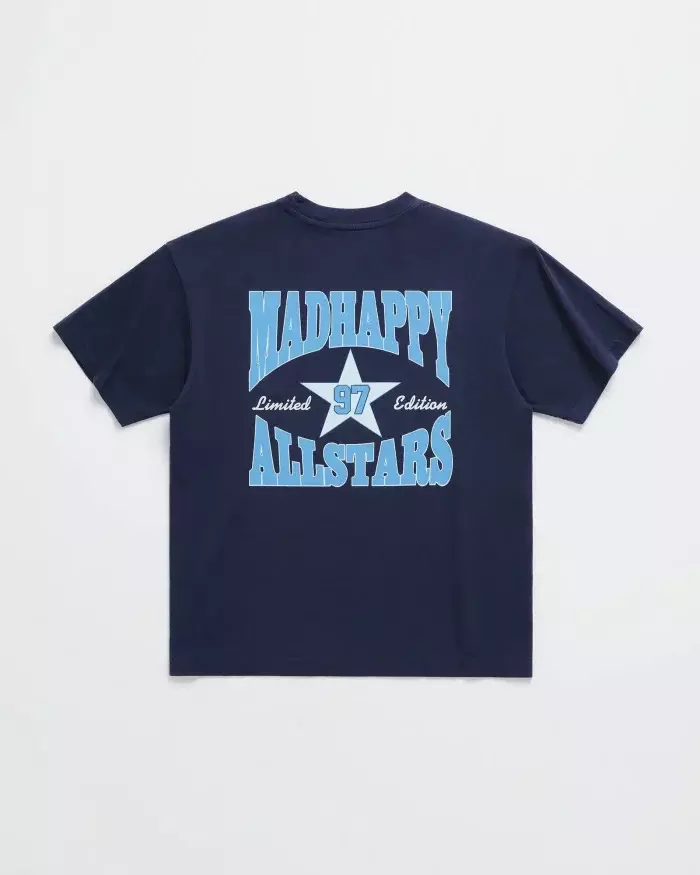
Mad Happy: A Modern Movement Blending Mental Health and Streetwear
In the ever-evolving world of fashion, where trends flicker and fade like city lights at night, few brands have managed to build a legacy that’s not just about what you wear, but how you feel. Enter Mad Happy, the Los Angeles-based label that’s redefining the streetwear space with an unconventional twist: emotional vulnerability.
In a realm dominated by cool indifference, Mad Happy dares to wear its heart on its sleeve—literally and metaphorically. It’s more than a clothing brand; it’s a cultural shift, a mental health movement, and a community that’s challenging stigmas, one hoodie at a time.
The Birth of a New Streetwear Era
Mad Happy was founded in 2017 by four individuals—Peiman Raf, Noah Raf, Mason Spector, and Joshua Sitt—who came together not just with a shared love for fashion, but a common mission: to create something meaningful. What started as a local project in Los Angeles quickly snowballed into a global phenomenon.
From pop-ups in New York to collaborations with some of the biggest names in entertainment and fashion, Mad Happy has managed to carve out a niche that balances contemporary aesthetics with raw emotional honesty.
But make no mistake—Mad Happy wasn’t born out of an opportunistic business plan. It was born out of struggle, introspection, and a genuine desire to make people feel less alone. Mental health wasn’t a brand gimmick; it was the backbone of the founders’ lives and now, their brand’s DNA. That authenticity resonated with a generation craving realness in a world of filtered realities.
Clothing With a Conversation
At first glance, Mad Happy's clothing fits snugly into the mold of modern streetwear: oversized hoodies, pigment-dyed sweatpants, minimalistic yet expressive graphics. But look closer, and you’ll find a message stitched into every seam. Whether it’s a t-shirt that reads “Local Optimist” or a hoodie that says “Mental Health is Health,” the brand consistently uses its garments as vehicles for communication.
These aren’t just slogans—they’re conversation starters. Wearing Mad Happy is a statement of empathy, a badge that signals you're open to talking about feelings, and perhaps more importantly, open to listening. In a fashion landscape where status often trumps substance, Mad Happy flips the script by creating pieces that are both style-forward and soul-deep.
Local Optimist: A Movement Within a Movement
One of the brand’s most iconic lines, Local Optimist, has become a philosophy for many of its fans. It encapsulates Mad Happy’s ethos in two simple words—local, meaning grounded in community and authenticity; optimist, suggesting a hope-forward, future-focused mindset. Together, they create a phrase that’s both aspirational and accessible.
The Local Optimist initiative extends beyond the garments themselves. Mad Happy has launched an online platform called The Local Optimist, which serves as a hub for mental health resources, journal prompts, personal stories, and articles curated to help readers navigate emotional complexity. It's a rare and commendable example of a brand investing in digital wellness as much as digital marketing.
The Design Language: Color Psychology and Comfort
Mad Happy’s designs may look laid-back, but they're the product of intense intentionality. The use of color psychology is perhaps the most striking aspect. Each collection is thoughtfully curated with hues that evoke specific emotional responses—soft pastels to soothe anxiety, vibrant primaries to energize, and earthy neutrals to ground the wearer.
The materials reflect the brand’s emphasis on comfort, both physical and emotional. Heavyweight fleece, relaxed silhouettes, and washed textures create an aura of coziness that mirrors the brand’s mental health mission. These clothes aren’t meant to impress a crowd; they’re designed to make you feel better, whether you’re walking into a therapy session or just lounging at home after a long day.
Collaborations That Mean Something
Mad Happy’s rise has been bolstered by high-profile collaborations, but unlike many brands that slap logos together for clout, Mad Happy’s partnerships are driven by shared values. Collaborations with brands like Columbia, Nike, and even mental health organizations like The Jed Foundation have helped Mad Happy extend its message into new communities without diluting its core identity.
A standout moment was their partnership with Columbia Sportswear. It wasn’t just a fusion of two aesthetics—it was an exploration of the outdoors as a form of therapy. The collab featured hiking-inspired apparel and emphasized the connection between nature and mental well-being, a theme that felt incredibly timely in a post-pandemic world where people were rediscovering the healing power of the outside world.
Mental Health Advocacy: Walking the Walk
What truly sets Madhappy Hoodie apart is its ongoing commitment to mental health advocacy. A percentage of profits from every drop goes toward funding mental health initiatives, and the brand frequently works with psychologists, researchers, and nonprofits to ensure its impact goes beyond surface-level awareness.
Mad Happy doesn't just donate; it educates. Through The Mad Happy Foundation, they fund scientific research and work directly with institutions to improve access to mental health care for underserved populations. Their educational series, often distributed via newsletters and social media, tackle complex issues like anxiety, depression, and suicide prevention in digestible, empathetic language.
Their transparency about the mental health struggles of their founders also adds an element of trust. They’re not preaching from a pedestal; they’re speaking from lived experience. That relatability has forged a deep bond with their audience, turning customers into loyal community members.
A Community-Driven Culture
At its core, Mad Happy is community-first. From local pop-up shops to global campaigns, the brand consistently centers human connection. Their events often feature guided meditations, open forums, live therapy sessions, and musical performances designed to uplift and unite people from all walks of life.
In an age where isolation is rampant—even amidst constant digital connection—Mad Happy builds real-life spaces where people can come together, not just to shop, but to share, breathe, and be seen. That sense of belonging is rare in fashion, and it’s a large part of what gives Mad Happy its staying power.
Why It Resonates with Gen Z and Millennials
Mad Happy speaks directly to a new generation of consumers who prioritize purpose over product. Gen Z and millennials are more emotionally literate than ever before, and they demand more from brands than just good design. They want ethical production, transparent storytelling, and genuine commitment to causes that matter.
This demographic grew up amid the dual pressures of social media and societal instability. As a result, they’re deeply attuned to mental health, and they’re tired of brands that either ignore it or exploit it. Mad Happy hits the sweet spot by being aesthetically appealing while also emotionally relevant. It's not just “cool”—it’s comforting, and that’s what makes it revolutionary.
The Future of Mad Happy
Mad Happy is still young, but its trajectory suggests it’s just getting started. As conversations around mental health continue to grow louder and more urgent, the brand is perfectly positioned to lead the charge—not just in fashion, but in wellness as a whole. Future expansions may include collaborations with wellness platforms, digital mental health tools, or even physical therapy spaces and retreats.
One can easily imagine a world where Mad Happy isn't just sold in boutiques or worn on the street, but integrated into schools, corporate wellness programs, and community centers. The brand's potential lies not just in what it sells, but in what it stands for.
Mad Happy Is More Than a Brand—It’s a Beacon
In a world that often celebrates the appearance of strength while shaming vulnerability, Madhappy Tracksuit provides a counter-narrative that’s as refreshing as it is necessary. It tells us that it’s okay to feel, to speak, to seek help. And it does so through the universal language of fashion—something we all understand, participate in, and express ourselves through.
Mad Happy is proof that clothes can do more than cover our bodies—they can open our minds, start conversations, and build bridges where walls once stood. It's not just about looking good; it's about feeling understood.
So the next time you see someone wearing a Mad Happy hoodie, remember: they’re not just making a style choice. They’re making a statement—a hopeful one. And maybe, just maybe, the world needs a little more of that.