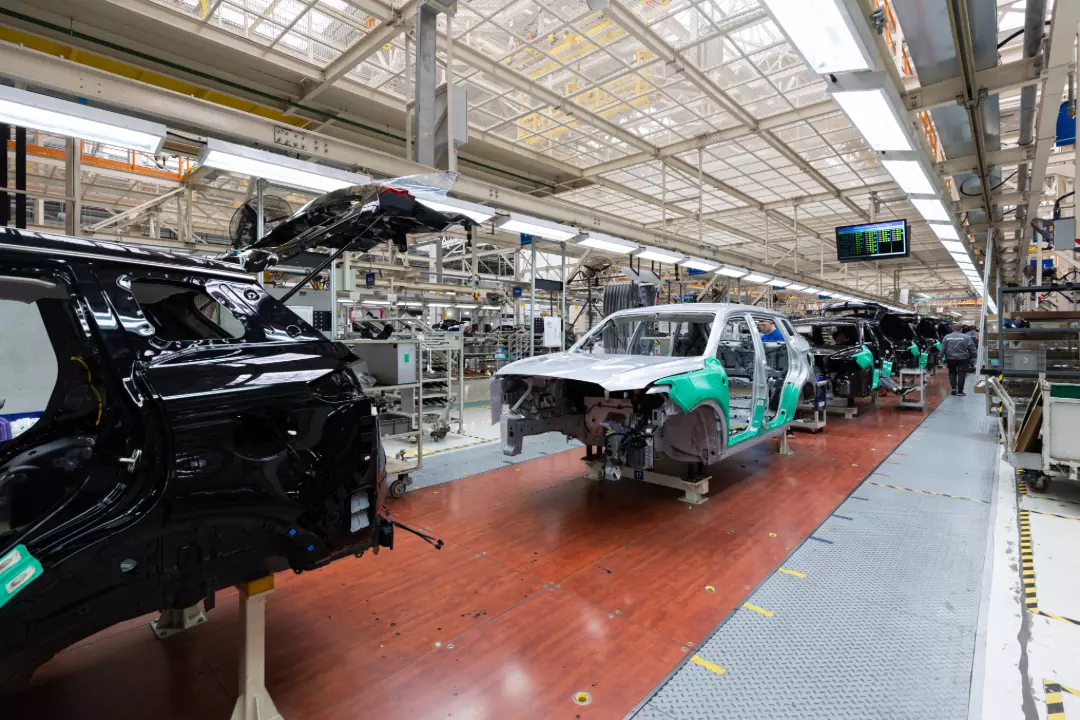
Luxury Car Factories Inside
The global demand for a luxury car continues to rise as consumers seek premium performance, cutting-edge technology, and unmatched comfort.
Behind every elegant exterior and powerful engine lies a complex network of factories where precision, innovation, and craftsmanship converge.
These factories blend automation with human expertise to deliver vehicles that exceed expectations. In this article, we explore how factories that make luxury cars operate, the technology they use, and the people who bring automotive dreams to life.
The Rise of Luxury Car Manufacturing
Over the past few decades, the automobile industry has transformed dramatically. As economies have grown and consumer tastes have evolved, brands that make luxury cars have expanded their global footprint.
What once was a niche market limited to a few elite brands now includes dozens of manufacturers across Europe, North America, and Asia.
Today’s factories that make luxury cars focus not only on aesthetics but also on sustainability, performance, and safety. In fact, high-end automotive plants integrate advanced robotics and stringent quality protocols to ensure every vehicle meets exacting standards.
Furthermore, these facilities constantly adapt to new materials and technologies, including lightweight composites and electric powertrains.
Location Matters: Where Luxury Cars Are Made
Factories that make luxury cars are typically located in regions with strong engineering talent and robust industrial infrastructure.
For example, Germany remains a hub for luxury automobile production, hosting assembly plants for brands like Mercedes-Benz, BMW, and Audi.
Similarly, the United States, Japan, and Italy also play major roles in luxury car manufacturing.
In many cases, manufacturers place their factories near key suppliers and transportation routes. This strategy minimizes delays and reduces cost-overhead in logistics.
Moreover, certain regions offer tax incentives and specialized workforces, making them attractive sites for luxury car factories.
How Luxury Car Factories Operate
At a glance, the operations inside factories that make luxury cars seem like a synchronized ballet between humans and machines.
Indeed, multiple departments work together from the moment raw materials enter the facility to the final inspection of the finished vehicle.
1. Design and Prototyping
Before mass production starts, engineers and designers collaborate on prototypes in state-of-the-art facilities. Here, digital modeling software and wind tunnel testing refine aerodynamics, safety, and overall performance.
Once the prototype is finalized, manufacturing teams study detailed plans to prepare for assembly.
2. Material Preparation
Luxury car factories do not rely solely on common materials. Instead, they use high-grade steel, aluminum, carbon fiber, and premium leather.
Because material quality directly impacts performance and appearance, meticulous inspection occurs at this early stage.
Suppliers deliver components based on exact specifications, and factory staff verify each part before it enters the production line.
3. Body Assembly
Next, robots and technicians assemble the vehicle’s structural frame. In factories that make luxury cars, automated welding systems provide precise, consistent joins that enhance rigidity and safety.
Meanwhile, human specialists inspect these welds to verify quality. The combination of robotics and expert oversight ensures that each body unit meets exact tolerances.
4. Painting and Finishing
Painting is another crucial stage. Luxury car factories invest heavily in climate-controlled paint booths that prevent imperfections.
Automated sprayers apply multiple primer and clear-coat layers, while workers continuously monitor for color consistency and depth. Since buyers of luxury cars expect flawless finishes, this stage receives extra attention.
5. Engine and Powertrain Installation
Once the body and paint are complete, technicians install the engine, transmission, and other mechanical systems. In many luxury car factories, highly skilled engineers perform these tasks with precision tools.
Whether the engine is a handcrafted V8 or an electric motor, the process demands careful calibration and testing.
6. Interior Assembly
The interior of a luxury car is where craftsmanship truly shines. Workers install premium upholstery, handcrafted wood or carbon fiber trim, and advanced infotainment systems.
Unlike mass-market vehicles, these cars often allow customization, meaning each interior may differ slightly. Therefore, factories emphasize attention to detail and rigorous quality checks.
7. Final Inspection and Testing
Before a luxury car leaves the factory, it undergoes extensive testing. Inspectors examine every system—from brakes to air conditioning—ensuring peak performance.
Many facilities also conduct road testing on private tracks to validate handling, noise levels, and ride comfort. Only vehicles that pass every test receive certification for delivery.
Technology Drives Efficiency and Innovation
Factories that make luxury cars rely on cutting-edge technology at every stage. For instance, advanced robotics boost efficiency on assembly lines, while artificial intelligence (AI) helps improve quality control.
Sensors and cameras monitor each vehicle during production, instantly detecting flaws that would be difficult for the human eye to find.
Additionally, modern luxury car factories use interconnected digital systems known as the Industrial Internet of Things (IIoT).
These systems collect data from machinery and production lines to optimize workflows and predict maintenance needs. With such innovations, manufacturers reduce downtime and maintain consistent quality.
Moreover, sustainability plays an increasingly vital role in the factories that make luxury cars. Many facilities now incorporate renewable energy sources, waste-reduction programs, and water recycling systems.
Some factories have achieved carbon-neutral certifications, reinforcing the luxury automotive industry’s commitment to environmental responsibility.
Workforce Expertise: People Behind the Machines
Although automation plays an essential role, factories that make luxury cars cannot function without skilled workers. Engineers, technicians, and specialists bring creativity and expertise to every phase of production.
In fact, many luxury manufacturers offer extensive training programs to ensure workers maintain high standards.
For example, artisans hand-stitch leather seats, balance complex engine components, and fine-tune suspension systems. These tasks require experience and intuition—qualities that machines alone cannot replicate.
Furthermore, teamwork and precision define the work culture within luxury car factories. Employees collaborate daily to solve problems and improve processes, fostering an environment of continuous improvement.
The Impact of Electric Vehicles on Luxury Car Manufacturing
As the automobile industry shifts toward electrification, factories that make luxury cars are adapting quickly. Electric luxury vehicles (EVs) combine performance, sustainability, and high-end design, attracting a new generation of buyers.
To accommodate this transition, many factories now include dedicated EV production lines. These facilities handle battery assembly, electric motor installation, and high-voltage system integration.
Compared to traditional internal combustion assembly lines, EV lines require specialized training and safety procedures.
As a result, manufacturers invest in retraining staff and updating equipment. While some factories still produce conventional engines, others operate hybrid lines that can handle both electric and gasoline-powered vehicles.
This flexibility allows brands to adjust production based on market demand.
Challenges in Luxury Car Manufacturing
Despite technological advancements, factories that make luxury cars face several challenges. Chief among them are supply chain disruptions, labor shortages, and rising production costs.
Global supply chain issues—such as semiconductor shortages—can delay delivery of essential components.
Since luxury cars often integrate sophisticated electronics and advanced driver-assistance systems, shortages directly impact production schedules. In response, many manufacturers diversify suppliers and build larger inventories of critical parts.
Similarly, finding and retaining skilled workers remains a challenge. The demand for highly trained technicians and engineers often exceeds available talent, prompting companies to offer competitive wages and training incentives.
Finally, the cost of producing a luxury car continues to climb. Premium materials, advanced technology, and customization options all contribute to higher manufacturing expenses.
However, brands manage these costs through efficiency improvements, economies of scale, and strategic pricing strategies.
Read: How to Choose a True Mercedes‑Benz Garage Near You
Why Luxury Car Factories Matter
Factories that make luxury cars represent the pinnacle of modern manufacturing. They showcase how innovation, precision, and creativity come together to create products that define performance and prestige.
Beyond producing automobiles, these factories also drive economic growth, support high-skill industries, and push technological boundaries.
Moreover, the factories set standards that influence the broader automotive industry. Techniques developed for luxury car production often trickle down to mainstream manufacturing, improving quality and efficiency across the board.
Conclusion
In conclusion, factories that make luxury cars operate as sophisticated ecosystems where human skill and advanced technology merge.
From design and prototyping to final inspection, each stage emphasizes precision and excellence. While challenges exist, the industry continues to evolve, embracing electrification and sustainable practices without compromising quality.
As consumer demand for premium vehicles continues to grow, the factories behind luxury cars will remain pivotal in defining the future of automotive engineering.
With innovation at their core and craftsmanship at every turn, these facilities ensure that the luxury cars of tomorrow exceed expectations and inspire drivers around the world.