Light, Space, and Simplicity: How Canadian Homes Are Being Transformed in 2026
In the landscape of Canadian home design, the details are no longer an afterthought. As we move through 2026, homeowners from British Columbia to Newfoundland are re-evaluating the spaces inside their walls.
The focus has shifted from mere functionality to a holistic approach where every element contributes to the narrative of the home.
Among the most significant trends driving renovations this year is the strategic use of interior doorways—not just as passages, but as foundational pieces of interior architecture.
The demand for designs that prioritize natural light and embrace clean, uncluttered aesthetics is reshaping how Canadians move through and perceive their living spaces .
The Allure of the Pane: Redefining Room Division
One of the most significant shifts in residential design is the desire to maintain an open-concept feel without sacrificing the definition of individual rooms.
This is where the timeless appeal of interior french doors comes sharply into focus. Far removed from the ornate, small-paned versions of the past, today’s iterations are all about maximizing transparency and creating a visual flow.
In the Canadian market, where the long winter months can make homes feel dark and confined, the ability to borrow light from adjacent rooms is invaluable.
Modern french doors are being specified with expansive, clear glass panels that minimize visual obstructions.
This design allows light to travel freely between a bright kitchen and a more enclosed home office or living room, making the entire floor plan feel larger and more cohesive .
This trend is particularly resonant in provinces like Quebec and Ontario, where heritage architecture often features distinct, separated rooms .
By installing these doors, homeowners can honor the traditional layout of a home while adapting it to contemporary needs.
They provide the flexibility to close off a space for privacy or noise control—a growing necessity in homes with remote workers or musicians—while instantly restoring the sense of openness when the doors are thrown open.
The glass panes act as a bridge, connecting different zones of the house without the permanence of a solid wall .
The Rise of Architectural Restraint
While the transparency of glass is in high demand, so too is a sense of calm and order. Across the country, the pendulum of taste continues to swing away from excessive ornamentation toward a more refined simplicity.
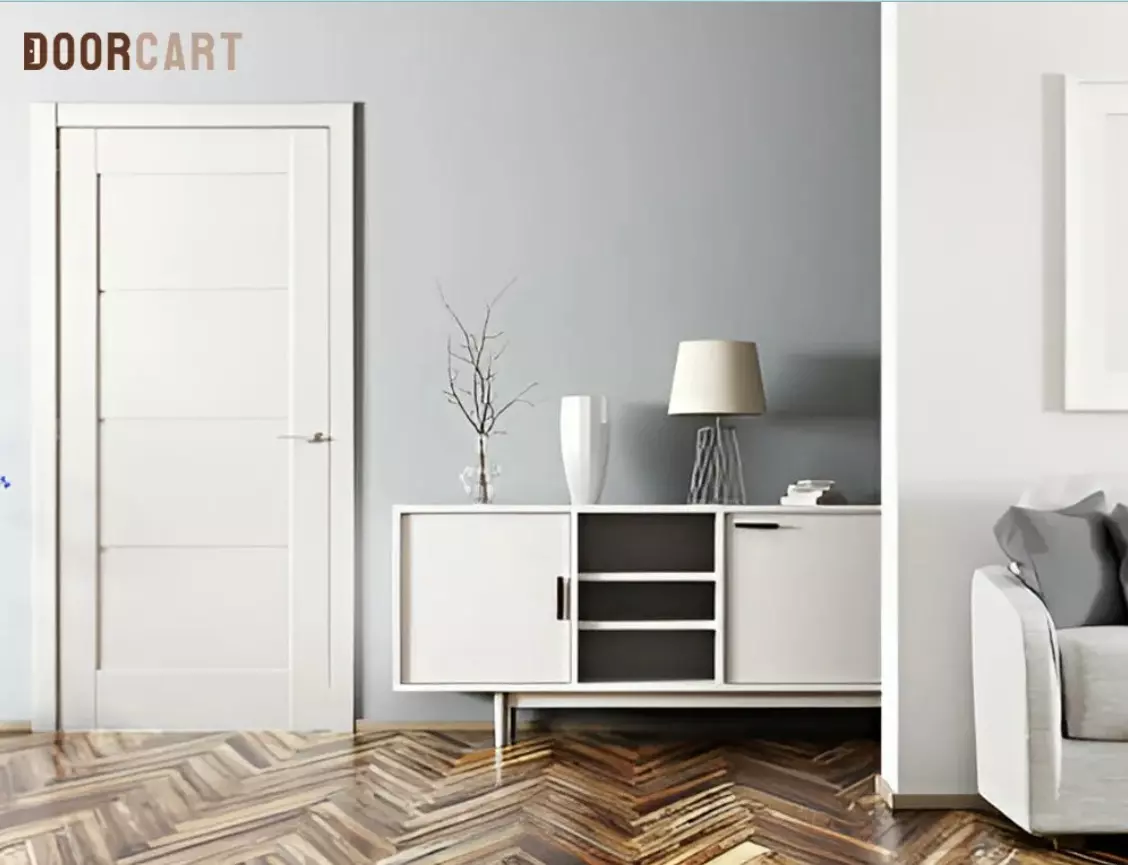
This is evident in the soaring popularity of the 1 panel shaker door. This style, characterized by its clean lines and a single, recessed center panel, has become the default choice for the design-conscious Canadian homeowner .
The beauty of the single-panel design lies in its versatility. It acts as a blank canvas, capable of anchoring a minimalist, Scandinavian-inspired interior just as effectively as it can complement a rustic, modern farmhouse aesthetic. In 2026, the application of this style goes beyond just paint-grade options.
There is a growing appreciation for the materiality of the door itself. As noted in recent design publications, natural wood tones and visible grain finishes are making a powerful comeback, moving away from the stark white uniformity of previous years .
Homeowners are increasingly selecting these doors in warm oak, walnut, or maple, allowing the natural beauty of the wood to serve as the primary decorative element.
This aligns with a broader Canadian trend toward biophilic design—bringing natural elements indoors to create a sense of well-being and connection to the outdoors .
The flat, unadorned surface of the door perfectly showcases the richness of the wood grain, turning a functional necessity into a subtle piece of art.
Market Dynamics and the Investment in Quality
The surge in interest in these specific door styles is backed by significant market momentum.
The North American wooden interior door market is on a robust growth trajectory, projected to reach billions in value, driven by a surge in home renovation activities and a consumer preference for premium, sustainable solutions .
Canadians are viewing their interior doors as long-term investments rather than disposable fixtures .
This investment mindset is influencing purchasing decisions. There is a marked preference for solid-core construction, which offers superior sound insulation and a feeling of heft and quality that hollow-core doors cannot match .
This is particularly true for the clean-lined shaker style, where the solid feel of the door enhances its architectural presence.
Furthermore, the integration of advanced hardware—soft-close hinges, magnetic latches, and sculptural handles in finishes like matte black or brushed brass—elevates the everyday experience of using these doors, adding a tactile and functional luxury to the home .
Read: Enhancing Canadian Homes with Prehung French Doors
Merging Styles for a Cohesive Home
Interestingly, the trend lines for glass-paneled and solid doors are converging. It is becoming increasingly common to see the principles of the shaker aesthetic applied to french door designs.
Imagine a set of interior french doors where the frames are wide and flat, mimicking the clean lines of a shaker panel, with large, unobstructed glass panes filling the space between them.
This hybrid style offers the best of both worlds: the light and space-enhancing properties of glass, grounded by the solid, minimalist framing that defines contemporary design .
This cohesive approach allows for a seamless transition between different areas of the home. A hallway lined with simple single-panel doors might open into a living room separated from a den by a set of clean-lined french doors.
The visual language remains consistent, creating a sense of harmony and intentionality throughout the entire floor plan.
Looking Ahead: The 2026 Canadian Home
As we look at the Canadian interior landscape of 2026, it is clear that the era of the forgotten door is over. Homeowners are curating their spaces with intention, using architectural elements to shape the atmosphere of their homes.
The desire for light and connection drives the demand for sophisticated glass door systems, while the need for peace and order fuels the popularity of the simple, honest panel.
Together, these trends point toward a future where Canadian homes are not just larger, but smarter and more beautiful.
They are spaces where light flows freely, where every line is considered, and where even the most functional elements contribute to a sense of calm and refined style.
Whether allowing light to pass through a glazed divide or providing a quiet, solid backdrop to a room, the right door has become an essential tool in the art of modern living.