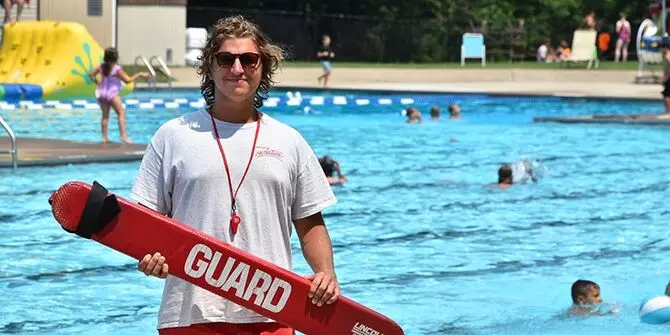
Lifeguarding in 2025: Top Safety Protocols and Best Practices
Lifeguarding has evolved significantly over the years, with new safety protocols and best practices being introduced to address modern challenges.
As we step into 2025, the role of lifeguards has never been more critical, with advancements in lifesaving technology, training methodologies, and emergency response strategies.
This guide will explore the most essential safety protocols and best practices every lifeguard should implement to ensure maximum safety for swimmers and beachgoers.
Latest Lifeguarding Safety Protocols in 2025
1. Advanced Surveillance Technology
Modern lifeguarding incorporates state-of-the-art AI-powered surveillance systems, drone monitoring, and underwater detection technologies. These innovations help lifeguards detect potential dangers faster and respond efficiently.
- AI-enhanced cameras monitor swimmer activity and alert lifeguards of distress signals.
- Drones equipped with floatation devices provide immediate assistance in large water bodies.
- Underwater sensors detect irregular movements, signaling possible drowning situations.
2. Updated CPR and First Aid Training
In 2025, lifeguard training programs emphasize more advanced CPR techniques, automated external defibrillator (AED) usage, and trauma response skills.
- The American Lifeguard Association have introduced revised CPR protocols to improve survival rates.
- Hands-on, scenario-based training enhances real-world application skills.
- Oxygen therapy training is now a core component of lifeguard certification.
3. Enhanced Communication Systems
Effective communication is vital in life-saving situations. New advancements in radio and digital technology have transformed how lifeguards coordinate rescues.
- Two-way waterproof radios with noise cancellation for clear communication in loud environments.
- GPS tracking systems for quick responder coordination.
- Emergency alert apps that instantly notify lifeguards of a crisis.
4. Strengthened Drowning Prevention Strategies
Proactive drowning prevention has become the primary focus in modern lifeguarding. The implementation of behavioral analysis software and public awareness campaigns has significantly reduced drowning incidents.
- AI-based behavior recognition identifies potential at-risk swimmers.
- Stronger swim lesson requirements for public pool access.
- Educational campaigns promoting water safety awareness.
5. Rigorous Physical Fitness Standards
The physical demands on lifeguards have increased, leading to stricter fitness requirements.
- Regular endurance and strength assessments ensure lifeguards maintain peak performance.
- Year-round conditioning programs enhance agility and stamina.
- Mental resilience training prepares lifeguards for high-stress rescue situations.
Best Practices for Lifeguards in 2025
1. Continuous Training and Skill Development
Ongoing education is crucial for lifeguards to stay updated on the latest techniques.
- Participate in annual recertification programs.
- Attend workshops on new lifesaving methods.
- Engage in realistic emergency drills regularly.
2. Implementing a Proactive Approach to Safety
Rather than reacting to emergencies, lifeguards must proactively mitigate risks.
- Conduct daily hazard assessments of swimming areas.
- Educate the public on water safety guidelines.
- Enforce strict pool and beach safety regulations.
3. Utilizing Wearable Safety Devices
New wearable technology has enhanced lifeguard efficiency and response time.
- Smartwatches with real-time alerts for detecting heart rate fluctuations.
- GPS-enabled wristbands for swimmer location tracking.
- Wearable oxygen monitors to assess health during prolonged rescues.
4. Fostering Public Awareness and Community Engagement
Lifeguards should actively engage with the community to spread awareness about water safety.
- Host public swimming safety workshops.
- Partner with schools for educational water safety programs.
- Collaborate with local emergency services for enhanced rescue coordination.
5. Prioritizing Mental and Emotional Well-being
The stress of lifeguarding can impact mental health, making psychological resilience training essential.
- Access to mental health support programs for lifeguards.
- Stress management workshops to prevent burnout.
- Team debriefing sessions after critical incidents.
At the final end
Lifeguarding in 2025 demands a combination of advanced technology, rigorous training, and proactive safety measures. As lifeguards continue to play a crucial role in preventing drowning and ensuring public safety, adopting these latest protocols and best practices is imperative.