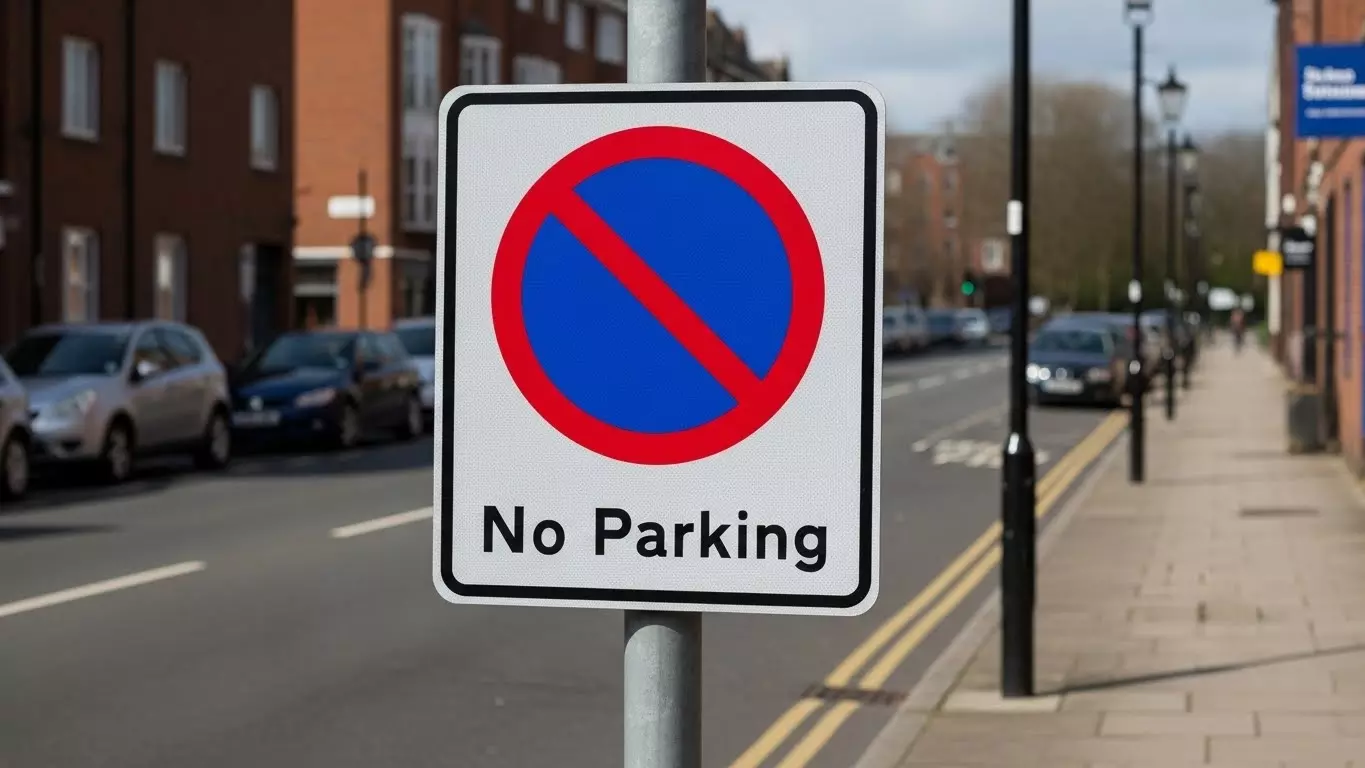
Legal Requirements for No Parking Signs UK
Parking restrictions play a key role in managing traffic flow, preventing obstruction, and ensuring access for emergency vehicles. In the UK, the legality of no parking signs depends on whether they apply to public highways or private land, and they must comply with specific legal frameworks.
This guide explains what’s required to make no parking signs legally effective, how enforcement works, and what rules apply to individuals and organisations.
Why No Parking Signs Matter in the UK
No parking signs aren’t just helpful reminders — in many cases they serve as legal notices that create enforceable restrictions. On public roads, councils set parking rules to control traffic, improve safety, and ensure access. If signs are missing, unclear, or improperly placed, motorists may have grounds to challenge enforcement actions such as Penalty Charge Notices (PCNs).
On private land, signs can inform drivers of restrictions, but their legal enforceability depends on compliance with specific codes of practice and contract terms. Understanding the legal foundation behind no parking signs helps residents, businesses, and local authorities avoid disputes and fines.
Understanding UK Traffic Law & Official Sign Regulations
TSRGD and Highway Code Basics
No parking signs used on public roads in the UK must comply with the Traffic Signs Regulations and General Directions 2016 (TSRGD). This legal framework sets out the standard sizes, symbols, colours, and placements of traffic signs and ensures consistency across regions. Regulatory signs, including no parking and waiting restriction signs, are prescribed within this regulation to ensure drivers understand their meaning and obligations.
The Highway Code complements the TSRGD by explaining how road users should behave. For example, the Highway Code provides guidance on waiting and loading restrictions, and states that motorists must obey signs indicating where they can and cannot park. If no official sign or road marking exists, then corresponding restrictions generally cannot be enforced on public highways.
Road Traffic Regulation Act 1984
Alongside TSRGD, the Road Traffic Regulation Act 1984 gives local authorities the power to create Traffic Regulation Orders (TROs). TROs legally establish parking restrictions, and these orders must be supported by correctly prescribed signage under TSRGD to be enforceable.
Failure to display signs that accurately reflect a TRO may make enforcement action, such as issuing a PCN, legally challengeable.
Penalties for breaking parking restrictions on public roads are typically governed by civil enforcement, where councils issue a PCN. The standard fixed penalty is usually set by local authorities in accordance with national regulations, and non‑compliance can lead to fines that may escalate if not paid promptly.
Read: ride Purple Kharadi Pune Elegant Homes for Families
Legal Requirements for Public Road No Parking Signs
Design, Placement & Visibility Rules
For no parking signs on public highways to be legally enforceable:
- Must comply with TSRGD – Signs should use approved symbols and wording.
- Correct size and reflectivity – Ensures motorists can read them in all conditions.
- Strategic placement – Signs should be visible from the road and placed near the restricted area. Obscured or poorly placed signs can invalidate enforcement.
- Clear indication of restrictions – Signs should show times, days, and any vehicle type exceptions where relevant.
Road markings such as yellow lines often act in conjunction with upright signs and can reinforce restrictions. For example, single and double yellow lines indicate parking prohibitions, but accompanying signage clarifies times and legal details.
If signage is missing or ambiguous, motorists may successfully challenge PCNs by demonstrating that the restriction wasn’t properly communicated.
Enforceability & Council Authority
Local authorities are responsible for enforcing parking restrictions on public roads. They issue PCNs when drivers breach the rules indicated by legal signage or road markings. In cases where signs are unclear, faded, or missing, councils may struggle to defend fines on appeal.
Councils must ensure that signs reflect the current TROs. If signage on the ground doesn’t match the legal order, it could undermine enforcement efforts. This includes ensuring signs are correctly spaced, face approaching traffic, and show times and conditions of restrictions.
No Parking Signs on Private Land
Differences Between Private & Public Enforcement
Private landowners can place no parking signs to deter unauthorised parking on private property, such as driveways, commercial lots, or apartment buildings. However, these signs do not automatically have the same legal authority as those on public highways.
Private enforcement often follows the British Parking Association (BPA) or International Parking Community (IPC) codes of practice. Under these codes, signs must be:
- Clearly visible and readable
- Display restriction terms
- Include operator name and appeals information
If these criteria aren’t met, parking operators may not be able to enforce penalties or may face challenges when issuing Parking Charge Notices (distinct from council PCNs).
Private landowners cannot use signage alone to create statutory restrictions. Instead, they rely on contract law principles — the sign indicates terms drivers agree to by parking. Enforcement of charges may require follow‑through through appeals bodies like POPLA if disputes arise.
Best Practices for Private Parking Signs
To strengthen the legal footing of private parking restrictions:
- Position signs at all entrances and key points rather than just one location.
- Use clear, standard wording that explains restrictions and penalties.
- Include contact and appeals information so drivers understand how to challenge charges.
- Maintain signage so it remains visible and free of obstructions or fading.
Good practice also includes combining signage with physical measures (bollards or lines) to reinforce the restriction.
Common Legal Questions and Misconceptions
Many drivers and landowners have questions about parking sign legality in the UK. A frequent misconception is that placing a homemade “No Parking” sign outside a house automatically creates an enforceable restriction. In reality, on public highways, only signs placed under a TRO and prescribed by the TSRGD are enforceable.
On private land, signs serve as contract notices, not statutory law.
Another issue often discussed is enforcement when signage doesn’t match road markings. If signs are missing or incorrectly installed, councils may struggle to defend PCNs on appeal. According to parking law FAQs, unclear or missing signage increases the likelihood of successful challenges to enforcement actions.
FAQs
Q1. Do no parking signs need council approval in the UK?
Yes — on public highways, no parking signs must be authorised via a Traffic Regulation Order and comply with TSRGD.
Q2. Is a private “No Parking” sign legally binding?
It can form part of a contract on private land, but it doesn’t carry statutory road enforcement powers.
Q3. Can I challenge a parking fine due to poor signage?
Yes — ambiguously placed, unreadable, or missing signs may form grounds for appeal.
Q4. Do yellow lines need accompanying signs?
Yellow lines often work with signs to clarify times and conditions for parking restrictions.
Q5. What penalties apply for ignoring public road no parking signs?
Councils normally issue Penalty Charge Notices; fines vary by area and may escalate if unpaid.
Q6. Are temporary no parking signs enforceable?
If authorised by a TRO and compliant with TSRGD, temporary signs can be enforceable.
Q7. How visible must a no parking sign be?
Signs must be placed where approaching drivers can clearly see and read them under normal conditions.