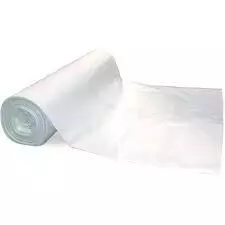
LDPE Plastic Roll: The Flexible, Durable, and Essential Packaging Solution for Modern Industries
In the modern industrial world, packaging is more than just a protective layer it’s a critical part of the production, storage, and delivery process. Among the many packaging materials available, LDPE Plastic Rolls have emerged as one of the most versatile and widely used solutions.
From safeguarding food products and pharmaceuticals to protecting machinery and construction materials, LDPE (Low-Density Polyethylene) plastic rolls play a key role in countless applications. Their combination of strength, flexibility, clarity, and chemical resistance makes them indispensable across industries.
Let’s dive deep into what makes LDPE plastic rolls the backbone of the packaging industry and why businesses continue to rely on them for safe and efficient operations.
Read: 10 Reasons Plastic Jars Are the Perfect Packaging Solution
What Is LDPE Plastic?
LDPE, or Low-Density Polyethylene, is a type of thermoplastic polymer made from the monomer ethylene. It is characterized by its low density, high flexibility, and toughness. Compared to other forms of polyethylene (like HDPE), LDPE has a less tightly packed molecular structure, which gives it greater elasticity and softness.
LDPE plastic rolls are typically made by extruding molten LDPE resin into thin, continuous sheets that are later rolled for storage and cutting. These rolls are then used to manufacture plastic sheets, bags, liners, wraps, and covers for industrial and commercial use.
Key Properties of LDPE Plastic Rolls
LDPE plastic is a unique blend of flexibility and performance. Its inherent properties make it ideal for multiple industries that require lightweight yet durable materials.
Here are some of its standout characteristics:
- High Flexibility and Stretchability:
- LDPE film can stretch without tearing, making it perfect for wrapping or covering irregularly shaped products.
- Moisture Resistance:
- It acts as a strong barrier against water and moisture, protecting goods from dampness, corrosion, and mold.
- Excellent Chemical Resistance:
- LDPE resists acids, bases, alcohols, and many solvents, making it suitable for chemical and agricultural applications.
- Transparency and Gloss:
- Its natural clarity allows easy visibility of packed products, useful in retail and food packaging.
- Lightweight and Cost-Effective:
- LDPE film is thin yet strong, providing superior protection without adding much weight — a significant advantage for shipping and logistics.
- Thermally Sealable:
- It can be heat-sealed easily, ensuring tight, tamper-proof packaging.
- Non-Toxic and Food-Grade Options Available:
- LDPE plastic is safe for direct contact with food when manufactured under standard food-grade conditions.
Types of LDPE Plastic Rolls
Depending on the application, LDPE rolls come in several forms. Each type serves a specific purpose and is manufactured with varying thicknesses, widths, and finishes.
1. Transparent LDPE Rolls
These are crystal-clear plastic films often used for packaging where product visibility is essential, such as food items, clothing, and stationery.
2. Colored LDPE Rolls
Available in multiple shades, these rolls are used when opacity or color coding is needed for industrial and warehouse packaging.
3. Black LDPE Rolls
Black films provide UV protection and are commonly used in agriculture, construction, and outdoor storage to protect materials from sunlight.
4. Printed LDPE Rolls
Custom-printed LDPE rolls serve branding and labeling purposes, often used by manufacturers for branded packaging.
5. Shrink Film Rolls
These rolls shrink tightly around a product when heat is applied, ensuring compact packaging for beverages, electronics, and consumer goods.
6. Stretch Film Rolls
Highly elastic LDPE rolls used for pallet wrapping and cargo stabilization during transport and storage.
Read: UAE Plastic Market Report and Forecast 2026–2032
Applications of LDPE Plastic Rolls
The versatility of LDPE plastic rolls makes them an integral part of numerous industries. Below are some of their most common uses:
1. Packaging Industry
LDPE rolls are extensively used for making bags, pouches, and wrapping films for food, garments, electronics, and FMCG products. They ensure dustproof, waterproof, and tamper-resistant packaging.
2. Agriculture
In farming, LDPE films are used as mulching sheets, greenhouse covers, and silage wraps. They protect crops from weeds, temperature fluctuations, and excessive moisture loss.
3. Construction
LDPE rolls are ideal for moisture barriers, concrete curing sheets, and floor protection films. Their strength and resistance to chemicals make them perfect for tough site environments.
4. Industrial Use
Used for machine covers, pallet liners, and protective wrapping of heavy goods, LDPE rolls prevent rust, corrosion, and damage during transportation.
5. Healthcare and Pharmaceuticals
In this sensitive sector, medical-grade LDPE films are used for sterile packaging of medicines, syringes, and surgical tools, ensuring contamination-free storage.
6. Household Applications
From garbage bags to food storage films, LDPE rolls have countless uses in homes and small businesses due to their convenience and safety.
Advantages of Using LDPE Plastic Rolls
The widespread adoption of LDPE rolls is due to their cost-efficiency, reliability, and environmental adaptability. Some major benefits include:
- Versatile for multiple industries – One material for packaging, covering, and protecting products.
- Reusable and recyclable – Can be reprocessed to produce new plastic items.
- Resistant to tearing and puncturing – Especially useful in logistics and storage.
- Lightweight yet durable – Reduces transport costs without compromising protection.
- Food-safe and hygienic – Approved by regulatory bodies for safe food packaging.
- Excellent printability – Supports branding, instructions, and barcodes.
In short, LDPE plastic rolls deliver high performance at a low cost, making them a top choice in modern packaging systems.
Environmental Impact and Sustainability
While LDPE is a plastic material, its environmental footprint can be managed responsibly through recycling and sustainable manufacturing.
Modern LDPE rolls are:
- 100% recyclable, helping reduce plastic waste.
- Often made from reprocessed or partially recycled materials.
- Compatible with circular economy models that repurpose used films into new packaging products.
Additionally, technological advancements have led to the development of biodegradable LDPE alternatives, which maintain similar performance with reduced environmental impact. Many manufacturers now focus on eco-friendly additives, thinner gauge films, and energy-efficient production methods to promote sustainability.
Choosing the Right LDPE Plastic Roll
Selecting the correct LDPE roll depends on factors such as the type of product, required thickness, exposure conditions, and application method.
Key factors to consider:
- Thickness (Gauge): Ranges from 20 to 200 microns depending on use (thicker for industrial, thinner for retail packaging).
- Transparency: Choose clear film for visibility, opaque for privacy or protection from light.
- Width and Length: Customized based on machine compatibility and wrapping requirements.
- Additives: UV-resistant, anti-static, or slip-resistant variants available.
Consulting a reliable LDPE film manufacturer ensures that the roll’s specifications perfectly match your packaging and environmental needs.
LDPE vs. Other Packaging Materials
Compared to other materials like HDPE, PVC, or paper, LDPE offers a unique balance of softness, clarity, and sealing ability.
PropertyLDPEHDPEPVCPaperFlexibilityExcellentModerateLowLowTransparencyHighOpaqueTransparentOpaqueMoisture ResistanceExcellentExcellentModeratePoorRecyclabilityYesYesLimitedYesFood-SafeYesYesYesYes (limited)
This makes LDPE a universal packaging material, suitable for both heavy-duty industrial and delicate food applications.
Future of LDPE Plastic Rolls
As packaging technology evolves, LDPE continues to adapt. The future of LDPE rolls lies in smart, sustainable innovations such as:
- Biodegradable LDPE films made with organic additives.
- Nano-layered films with improved barrier protection.
- Digital tracking and labeling systems embedded within rolls for supply chain transparency.
- Energy-efficient extrusion processes that reduce emissions and waste.
With the push toward eco-friendly packaging, LDPE remains at the forefront of balancing performance, cost, and environmental care.
Read: Uses of Dart Plastic Containers in Foodservice and Beyond
Conclusion
From protecting industrial products to preserving food freshness, LDPE plastic rolls have become a foundation of modern packaging. Their strength, flexibility, and adaptability make them a trusted material across countless sectors.