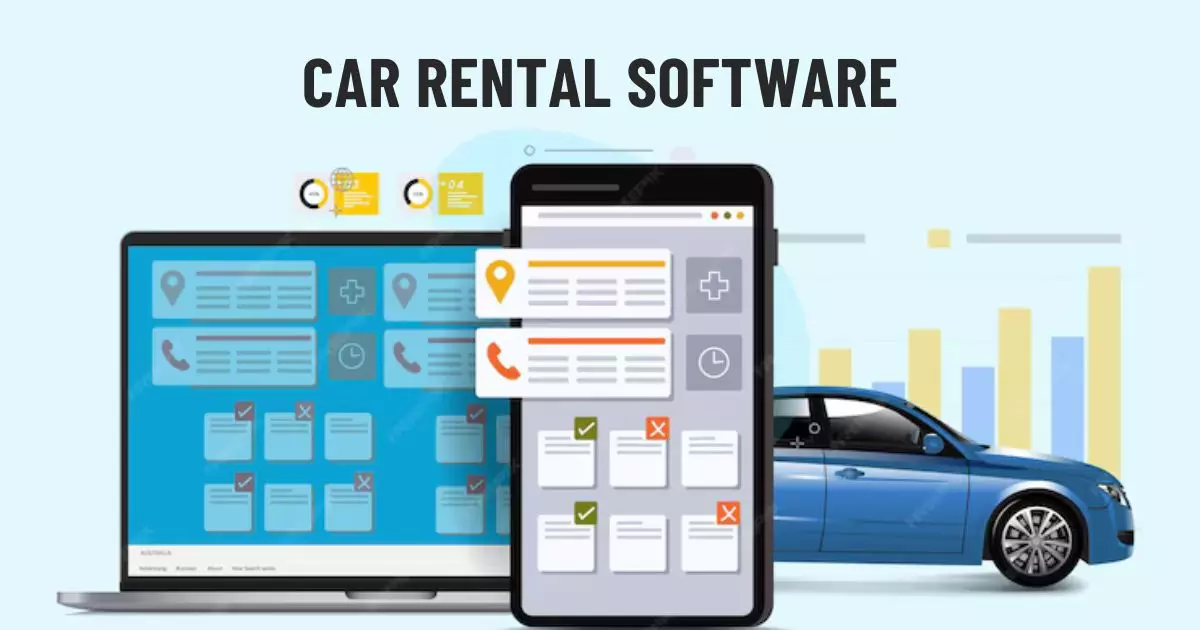
Launching Your Own Car Rental Management Software and Booking System: Latest Tech Guide
If you're looking to tap into the growing demand for car rental services, developing your own car rental management software and booking system could be the perfect move. Whether you're a business owner looking to digitize your fleet management or an entrepreneur exploring new opportunities, this guide will walk you through the key considerations, technologies, and steps to launch a seamless and efficient platform.
Today’s consumers expect convenience, efficiency, and personalized service, which means that building a well-structured car rental management software isn’t just about renting cars—it’s about creating a fluid, enjoyable user experience that can make your service stand out in a competitive market. Whether you’re building something similar to a Turo clone, or want to create a car rental app like Turo, the principles and strategies outlined here will help you move forward with confidence.
1. Why Build Your Own Car Rental Management System?
You might be thinking, “Why invest in creating custom software when there are ready-made platforms?” And it's a valid question. The truth is, the car rental space has evolved beyond just renting cars—it’s now about providing a platform that offers an experience that both renters and fleet owners can rely on.
Here are a few compelling reasons why building your own system could give your business a significant edge:
- Brand Control: With your own car rental management software, you can design an experience that fits your brand. This goes beyond the look and feel—it's about how you set your pricing, handle communication, and create a service model tailored to your audience.
- Flexibility: Ready-made solutions may give you a jumpstart, but they often come with limitations. Custom software allows you to add features like dynamic pricing, special offers, and specific fleet management features that a third-party platform might not support.
- Scalability: A well-designed system can grow with your business. As you expand your fleet, integrate new payment methods, or offer additional services, a custom-built system ensures your infrastructure can scale with you.
- Customer Satisfaction: Offering a seamless booking experience, from car search to payment and confirmation, can significantly increase customer satisfaction and retention. Custom software allows you to fine-tune each touchpoint to meet specific user needs.
2. The Blueprint for Creating a Turo‑Style Car Rental App
When people think about launching a car rental management software, they often imagine something similar to platforms like Turo—a peer-to-peer car rental system where vehicle owners list their cars, and renters book them for short-term rentals. While creating a Turo clone is one way to approach the market, understanding the components that make these systems successful is critical to building something truly valuable.
Here's what you'll need:
1. User Portal (Renters and Owners)
This is where users interact with your platform. Renters can search for available cars, make bookings, and process payments. Vehicle owners or fleet managers can list their vehicles, set availability, and approve or reject bookings.
Key Features:
- User registration and profiles
- Search functionality with filters (price, car type, location)
- Booking and payment integration
- Booking management for owners
- Reviews and ratings for both cars and owners
2. Booking System (Availability + Scheduling)
Your car rental management software needs a robust booking system that allows real-time availability tracking. This ensures that no car is double-booked and that renters can only book vehicles when they are available.
Key Features:
- Real-time calendar integration
- Booking confirmation and modification
- Availability notifications for owners
- Flexible rental durations (hourly, daily, weekly)
3. Payment Integration
Secure and reliable payment processing is a must for any car rental platform. Renters should be able to pay for bookings through multiple channels, while owners need a seamless payout system.
Key Features:
- Integration with payment gateways (Stripe, PayPal, etc.)
- Secure payment and escrow functionality
- Multi-currency support (if operating internationally)
- Automatic payout to vehicle owners after rentals
4. Fleet Management Dashboard
A comprehensive admin panel or fleet management dashboard allows owners or businesses to manage multiple vehicles. It should offer tools to track maintenance schedules, view booking history, and manage rental pricing.
Key Features:
- Vehicle listing and status tracking (available, rented, in maintenance)
- Fleet analytics and reports (bookings, earnings, maintenance)
- Insurance tracking
- Dynamic pricing based on demand
5. Ratings and Reviews
Trust is essential in the car rental industry. Allowing users to rate both vehicles and the renting experience can build transparency and encourage good behavior from both renters and vehicle owners.
Key Features:
- Star ratings for both renters and vehicles
- Written feedback for a more detailed review
- Notification alerts when new reviews are posted
3. How to Approach Development: Options for Your Car Rental Management Software
Building your own car rental management software requires a careful consideration of your goals, timeline, and budget. Let’s take a look at the different options available to bring your platform to life.
Option 1: White-Label Solutions
If you’re looking for a quick and cost-effective solution, you may want to consider white-label car rental management software. These platforms allow you to purchase a pre-built system that you can rebrand as your own. The advantage is that you can get your business up and running faster. The downside, however, is the lack of customization and flexibility.
Pros:
- Fast to market
- Lower upfront cost
- Pre-built features
Cons:
- Limited customization
- Ongoing licensing or subscription fees
- Difficult to scale or adapt as your business grows
Option 2: Custom Development with an On-Demand App Development Company
For businesses with larger goals, custom development is a more robust choice. Working with an on-demand app development company allows you to design a car rental management software system that perfectly fits your needs. This option will take longer to implement and will cost more upfront, but it gives you total control over every aspect of the app.
Pros:
- Full customization
- Scalable architecture
- Tailored features for your target audience
Cons:
- Higher initial investment
- Longer development timeline
- Requires ongoing maintenance and updates
Option 3: Hybrid Approach (MVP)
If you're unsure about committing fully to custom development, a hybrid approach might work best. Start with a Minimum Viable Product (MVP)—a simplified version of your car rental management software—and test it in a smaller market. Once you’ve validated your concept, you can begin to add more advanced features.
Pros:
- Faster development and testing
- Lower initial costs
- Real-world user feedback for future improvements
Cons:
- Limited features at launch
- Initial market might be smaller
- Requires more iterations
4. Key Features to Prioritize in Your Car Rental System
As you plan your car rental management software, it's essential to focus on features that enhance the user experience while supporting business operations.
1. Advanced Search Functionality
Renters want an intuitive and fast way to find the right car. Your platform should allow them to filter vehicles by location, price, type, and availability.
2. Dynamic Pricing
Like any on-demand service, pricing should adjust based on demand. For instance, prices could increase during peak seasons or special events and decrease during off-peak times.
3. Integration with GPS and Telematics
Consider integrating GPS tracking and telematics into your system. This helps you monitor vehicle health, location, and usage patterns, which can be beneficial for maintenance and logistical purposes.
4. Insurance Integration
Offering on-the-go insurance can make your platform more attractive to renters. You could integrate with third-party insurance providers to offer a seamless experience when booking.
5. Notifications & Alerts
Whether it’s a booking confirmation, rental reminder, or a maintenance alert, notifications are key to keeping both renters and owners informed. Automated SMS, email, and in-app notifications can enhance customer satisfaction.
5. What Does it Take to Launch Your Own Platform?
Once you have your tech in place, it’s time to go live. Here’s a breakdown of the typical launch process:
Phase 1: Planning & Research
Before you write a single line of code, map out your business objectives and target market. This includes identifying your niche, understanding customer needs, and defining key metrics for success.
Phase 2: Designing the User Interface
Next, create wireframes and design the user interface (UI). Keep it simple and intuitive. The easier the system is to use, the higher your chances of customer retention.
Phase 3: Development
Whether you opt for a white-label solution or custom development, the coding phase will take time. The backend will focus on database management, payment integrations, and user authentication, while the front end will revolve around the booking experience.
Phase 4: Testing
Thorough testing is essential to ensure that every feature works seamlessly. This includes stress-testing your booking system, checking payment flows, and ensuring all integrations function properly.
Phase 5: Launch & Feedback
Once everything is polished, launch your app. A soft launch in a smaller market is an excellent way to test real-world performance and gather feedback from early users.
6. Maintaining & Growing Your Car Rental Platform
After launch, the work doesn’t stop. You’ll need to maintain your system, update features, and continue listening to customer feedback. Regular updates to your car rental management software will keep your platform relevant and competitive.
Conclusion
Launching your own car rental management software and booking system can be an exciting and profitable venture. Whether you choose a Turo clone, a white-label car rental management software, or go the custom route, building a platform that delivers real value to users is key. Remember, the most successful systems are those that prioritize the user experience, streamline the booking process, and offer both flexibility and scalability.
With the right approach, you can build a solution that not only meets current market demands but also stands out in a competitive industry.