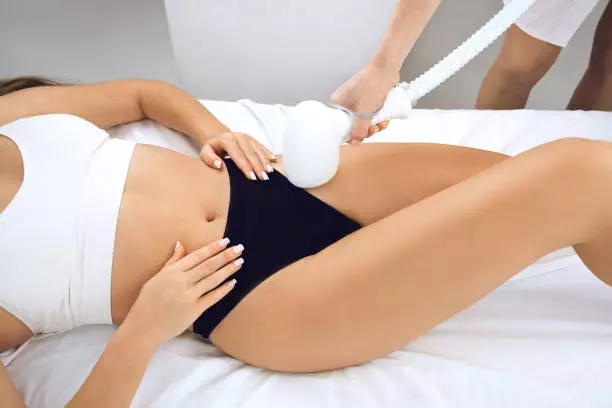
Laser Hair Removal for Sensitive Skin in Dubai: Safe, Gentle, and Effective
Sensitive skin can be tricky to manage—especially when it comes to hair removal. Shaving can lead to razor burns, waxing causes redness and irritation, and threading feels like torture. If you’ve tried it all and still struggle with inflammation, it may be time to explore a modern solution: laser hair removal for sensitive skin in Dubai.
Dubai’s dermatology and aesthetic industry is highly advanced, offering customized, skin-safe laser treatments for people with easily irritated or reactive skin. If you’ve always wanted to enjoy silky-smooth skin without pain or side effects, this guide is for you.
Why Sensitive Skin Needs Special Attention
People with sensitive skin are more prone to:
- Redness and inflammation
- Post-treatment bumps or rashes
- Dryness and irritation
- Allergic reactions to topical products
That’s why any cosmetic treatment, including laser hair removal, must be chosen and performed with extra care. The good news? Dubai clinics are well-equipped with the latest technology and experienced professionals who know how to treat delicate skin types.
Is Laser Hair Removal Safe for Sensitive Skin?
Yes, it is—when done with the right technology and settings.
Modern laser hair removal systems come with:
- Integrated cooling systems to soothe the skin
- Adjustable energy levels to reduce irritation
- Precise targeting that avoids unnecessary contact with surrounding skin
These features make laser hair removal not only safe for sensitive skin, but also less irritating than waxing or shaving over time.
Best Laser Types for Sensitive Skin
Not all lasers are created equal. When it comes to sensitive skin, certain types are better suited than others:
✅ Diode Laser
Known for its deep penetration and low risk of skin damage, especially when paired with cooling tips.
✅ Alexandrite Laser
Gentle yet effective, ideal for fair to medium skin tones. Often used with a dynamic cooling device.
✅ Nd:YAG Laser
Recommended for darker skin types and sensitive areas. It has a longer wavelength that bypasses surface irritation.
Your dermatologist or technician will choose the best laser based on your skin tone, hair texture, and sensitivity level.
Benefits of Laser Hair Removal for Sensitive Skin
🌿 Reduced Skin Trauma
Unlike waxing or shaving, lasers don’t tug or scrape the skin—reducing the chances of inflammation.
🌿 Long-Term Hair Reduction
Fewer treatments over time mean your sensitive skin gets a break from frequent irritation.
🌿 Custom Treatment Plans
Clinics in Dubai typically assess your skin type before starting, offering tailored sessions with adjusted intensity.
🌿 Minimal Downtime
Redness or warmth may occur post-treatment but usually subsides within a few hours.
What to Expect During the Treatment
Here’s what typically happens during a laser session for sensitive skin in Dubai:
- Consultation
- A detailed skin analysis to determine your skin’s reactivity and the most suitable laser system.
- Patch Test
- A small test area is treated to check for adverse reactions before full treatment begins.
- Preparation
- The area is shaved and cooled. Sometimes a soothing gel is applied.
- Laser Application
- The laser device gently pulses over the treatment area, delivering controlled heat to hair follicles.
- Post-Treatment Soothing
- Cooling serums or aloe vera may be used to minimize redness.
Areas Treated Safely on Sensitive Skin
Laser hair removal can be safely used on delicate areas like:
- Face (upper lip, chin, cheeks)
- Underarms
- Bikini area
- Neck
- Inner thighs
- Stomach line
These zones tend to react strongly to waxing or razors, so laser offers a better, more comfortable alternative.
How Many Sessions Are Needed?
Most individuals with sensitive skin will need the standard 6 to 8 sessions, spaced 4–6 weeks apart. The key is to:
- Monitor skin’s response
- Use gentle post-treatment care
- Avoid aggressive products between sessions
Your clinician may recommend slightly lower laser settings initially and increase them as your skin adjusts.
Pre-Treatment Tips for Sensitive Skin
To get the best results with minimal irritation:
- Avoid sun exposure and tanning before treatment
- Do not wax or tweeze for 4 weeks prior
- Keep skin moisturized and avoid exfoliants before sessions
- Shave 24 hours before to prepare the area properly
Aftercare Tips for Sensitive Skin
Proper aftercare can make all the difference:
- Apply cool compresses or calming creams
- Use fragrance-free moisturizers only
- Stay out of the sun for at least 7–10 days
- Skip makeup and deodorant for 24 hours (for face/underarms)
- Avoid saunas, hot showers, and swimming pools immediately after
These steps help your skin heal faster and stay irritation-free.
Common Concerns: Addressed
“Will my skin burn?”
Modern machines have protective features to prevent burns. Choosing a certified clinic is crucial.
“What if I get a rash?”
Mild redness or small bumps may occur but usually go away quickly with aftercare. Severe reactions are rare when treated properly.
“Can I use numbing cream?”
Yes, especially on very sensitive areas. Many clinics offer this option.
Final Thoughts
If you’ve been holding off on laser treatments due to fear of irritation or reactions, you’ll be glad to know that laser hair removal for sensitive skin in Dubai is safer and more effective than ever. Thanks to advanced cooling technologies and personalized care, smooth skin is now within reach—even for the most delicate skin types.
At Tajmeels Clinic, we specialize in customized laser hair removal solutions for sensitive skin. Our expert team uses the latest technology to ensure you get visible results without discomfort. With our commitment to safety, comfort, and long-term care, you can finally say goodbye to irritation and hello to silky-smooth confidence.
FAQs: Laser Hair Removal for Sensitive Skin in Dubai
Q1: Is laser hair removal painful for sensitive skin?
A: Most patients feel only mild warmth or tingling. Advanced cooling systems make the process gentle and well-tolerated.
Q2: Can I get laser treatment if I have eczema or rosacea?
A: It depends on the condition's severity. Always consult with a dermatologist before beginning treatment.
Q3: Are there any side effects I should expect?
A: Mild redness or bumps are common but temporary. Severe reactions are rare when performed at a certified clinic.
Q4: Can sensitive skin react more strongly than normal skin?
A: Yes, but with the right laser and aftercare, these reactions are minimized significantly.
Q5: Will I need more sessions because of my sensitive skin?
A: Not necessarily. The number of sessions depends on hair growth, not skin sensitivity—but gentler settings might mean slower progression.
Q6: What’s the best time of year for laser if I have sensitive skin?
A: Winter or cooler months are ideal, as sun exposure is minimal—lowering the risk of post-treatment pigmentation.