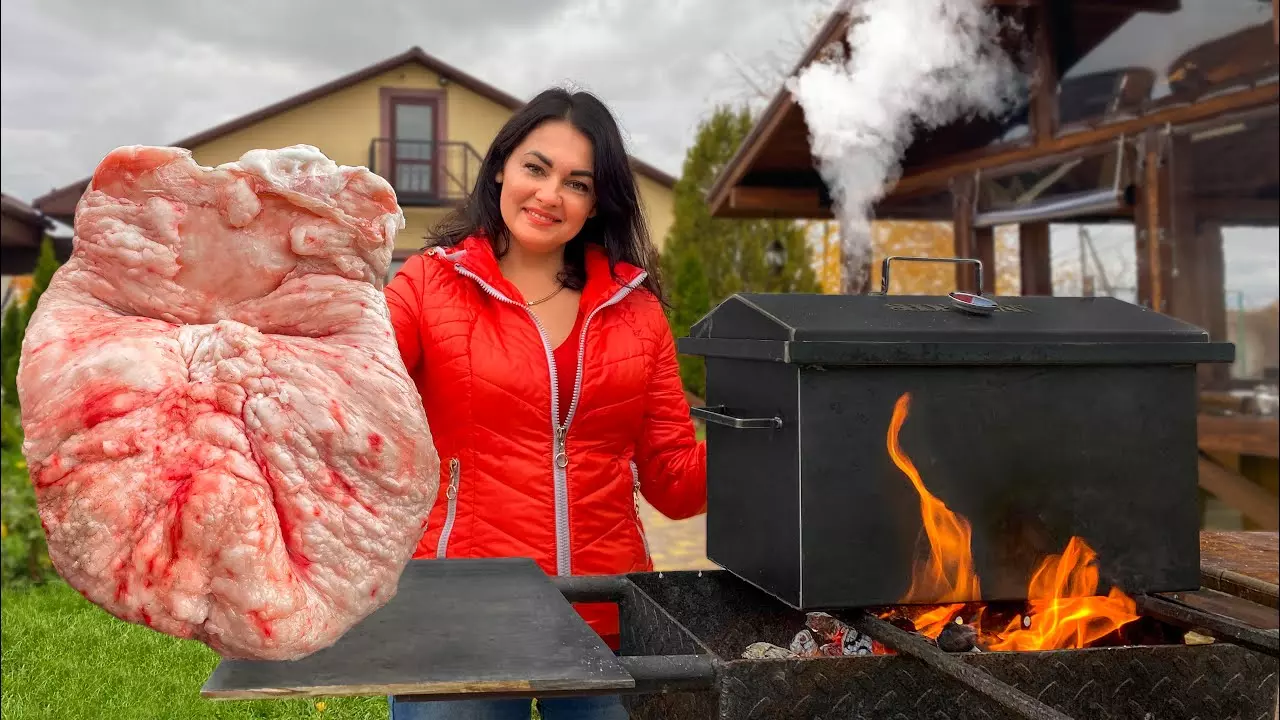
Lamb Fat: Uses, Benefits, and Culinary Traditions Explained
Lamb has long held a place of honor in the culinary traditions of many cultures. From the rolling hills of New Zealand to the bustling souks of the Middle East, lamb is prized not just for its tender meat but also for a lesser-known ingredient—lamb fat.
While often overlooked in favor of more familiar cooking oils or butters, lamb fat offers a world of flavor, nutrition, and tradition.
In this comprehensive guide, we’ll explore the multiple uses of lamb fat, its health benefits, and how various cultures have embraced it in their kitchens.
What is Lamb Fat?
Lamb fat refers to the fat tissue extracted from different parts of the lamb, most commonly the tail, back, or kidney area. Depending on the breed and diet of the lamb, this fat can vary in texture and flavor. One of the most revered types is tail fat, especially from fat-tailed sheep breeds found in Central Asia and the Middle East.
It is often rendered down into a clean, shelf-stable product known as tallow. This tallow can then be used in a variety of culinary and non-culinary applications.
You can find premium-quality lamb fat available online for home cooking and traditional preparations.
Culinary Uses of Lamb Fat
Lamb fat is an incredibly versatile ingredient in cooking. Its unique, savory aroma and high smoke point make it suitable for various applications. Let’s look at how it’s used in the kitchen:
1. Cooking and Frying
Rendered lamb fat is often used for sautéing vegetables, frying meat, or even shallow-frying flatbreads. Its high smoke point means it won’t burn easily, making it ideal for high-temperature cooking. When used to fry potatoes or roast vegetables, it imparts a deep, rich flavor that’s hard to replicate with other fats.
2. Flavor Enhancer in Stews and Soups
In Middle Eastern and Central Asian cuisines, lamb fat is added to stews, soups, and rice dishes like pilaf to enhance depth and richness. It melts slowly, releasing a unique taste that binds the spices and ingredients together harmoniously.
3. Preserving Meat
Before refrigeration, many cultures used fat to preserve meat. Confit-style preparations—where meat is slow-cooked and stored in fat—are still practiced today. Lamb fat serves as an excellent preservation medium, adding flavor while extending shelf life.
4. Pastry and Baking
Believe it or not, lamb fat has even found its way into baking. In traditional Turkish and Iranian cuisines, small amounts of lamb fat are used in savory pastries to achieve a flaky, moist texture.
Health Benefits of Lamb Fat
Fat has often been unfairly demonized in dietary discussions, but it plays a crucial role in a balanced diet—especially when consumed in moderation and in natural forms. Lamb fat offers several nutritional advantages:
1. Rich in Healthy Fats
Lamb fat contains a blend of saturated and unsaturated fats, including oleic acid—a heart-healthy monounsaturated fat also found in olive oil. It also contains conjugated linoleic acid (CLA), which has been linked to fat loss and anti-inflammatory benefits.
2. High in Vitamins
Lamb fat is a source of fat-soluble vitamins like Vitamin A, D, E, and K. These nutrients are essential for immune health, skin vitality, and calcium absorption. Unlike synthetic supplements, these vitamins come in a bioavailable form that the body can easily absorb.
3. Provides Energy
As a calorie-dense food, lamb fat offers quick and sustained energy, making it particularly useful in high-altitude or cold environments where extra calories are essential.
Lamb Fat in Global Culinary Traditions
Lamb fat isn’t just a niche ingredient—it’s a cornerstone of several world cuisines. Let’s explore how different cultures use this flavorful fat.
1. Middle Eastern Cuisine
In places like Iraq, Iran, and Lebanon, lamb fat is prized for its ability to enrich traditional dishes. Kofta, kebabs, and rice dishes often include minced lamb fat to enhance texture and flavor. In Iran, “kalleh pacheh,” a traditional breakfast dish of lamb head and trotters, includes generous amounts of lamb fat in the broth.
2. Central Asian Cuisine
Uzbek, Kazakh, and Turkmen cuisines heavily feature lamb fat, especially from fat-tailed sheep. It’s used in dishes like plov (pilaf), dumplings, and grilled meats. The lamb tail fat is often rendered and used as cooking oil or added in chunks to meat skewers for juiciness.
3. British and European Traditions
In Britain, suet (a form of fat found around the kidneys) from lamb and beef has long been used in traditional puddings and pies. Though beef suet is more common, lamb fat has its own distinct richness and is used in regional recipes, especially in rural areas.
4. North African Cuisine
Moroccan and Algerian dishes frequently incorporate lamb fat in tagines and couscous preparations. The fat helps to soften root vegetables and adds a distinct flavor to slow-cooked dishes.
How to Render Lamb Fat at Home
Rendering is the process of slowly melting fat to remove impurities and water content. Here’s a simple method to render your own lamb fat:
Ingredients:
- 1 lb lamb fat (cut into small pieces)
- A heavy-bottomed pot or pan
Instructions:
- Place the chopped fat into the pot.
- Heat on low, stirring occasionally to avoid sticking.
- As the fat melts, it will separate from the solids.
- Once fully melted, strain the liquid through a cheesecloth or fine sieve.
- Pour into sterilized jars and let cool. Store in the fridge or freezer.
Rendered lamb fat will last for months if stored properly and can be scooped out as needed for cooking.
Tips for Cooking with Lamb Fat
- Start Small – The flavor of lamb fat can be intense. Begin with small amounts until you find your preferred level.
- Pair with Spices – Lamb fat pairs well with strong spices like cumin, coriander, and garlic.
- Mix with Other Fats – Blend with butter or olive oil to balance flavor for delicate dishes.
- Use in Marinades – A little melted lamb fat can be added to marinades for meats or vegetables.
Common Misconceptions About Animal Fats
Despite modern dietary trends favoring plant-based oils, many nutritionists are re-evaluating the role of animal fats in a healthy diet. Here are a few myths debunked:
1. “Animal fats cause heart disease.”
Recent studies have shown that naturally occurring saturated fats, when consumed in moderation, are not the primary culprit behind heart disease. The problem lies more with processed trans fats and refined sugars.
2. “Plant oils are always healthier.”
Many industrial seed oils (like soybean or corn oil) are heavily processed and oxidize at high heat, potentially releasing harmful compounds. In contrast, traditional fats like lamb fat are stable at high temperatures.
3. “Fat will make you gain weight.”
Weight gain depends on total calorie intake and expenditure. In fact, dietary fat can help you feel fuller for longer, potentially reducing overall calorie consumption.
Where to Buy Quality Lamb Fat
If you're intrigued and ready to explore cooking with lamb fat, sourcing quality is crucial. Look for lamb fat that comes from grass-fed animals, free of hormones and antibiotics. Online specialty meat shops and halal butchers are great places to find it.
A reliable source for high-quality lamb fat is Meat Shop Drop UK, where you can conveniently order online and have it delivered to your door.
Final Thoughts
Lamb fat is a culinary treasure waiting to be rediscovered. With its unique flavor, nutritional benefits, and deep roots in global food traditions, it's time to give this underappreciated ingredient the spotlight it deserves. Whether you're frying up a batch of potatoes or crafting a traditional Uzbek plov, a spoonful of lamb fat can elevate your dish to new heights.
So next time you're cooking with lamb, don’t discard the fat—celebrate it. It’s not just a by-product; it’s a bridge to flavor, heritage, and health.