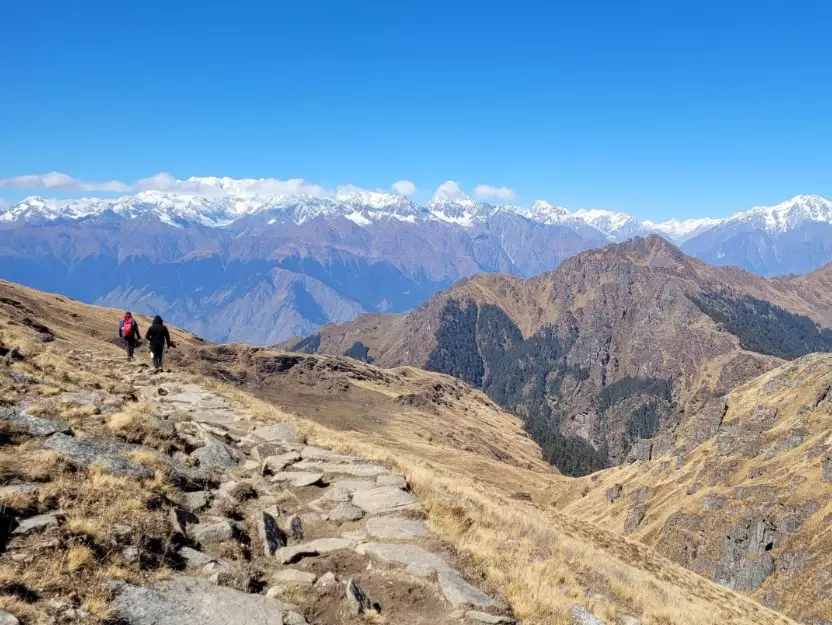
Kuari Pass Journey: Exploring the Hidden Trails of the Himalayas
The Himalayas, with their towering peaks, pristine valleys, and tranquil beauty, are a paradise for adventure seekers and nature lovers. Among the many trekking destinations in Uttarakhand, Kuari Pass stands out as a hidden gem that combines adventure, scenic views, and cultural experiences in one memorable journey.
Known as the “Curzon Trail”, Kuari Pass offers a moderate trek that is suitable for both beginners and experienced hikers who want to explore the untouched beauty of the Garhwal Himalayas.
In this guide, we will take you through the journey of Kuari Pass, detailing the trail, highlights, best seasons, and essential tips for a successful trek.
Overview of Kuari Pass Trek
Kuari Pass is located in Uttarakhand, in the Garhwal region of the Himalayas. The pass is situated at an altitude of 12,516 feet (3,815 meters) and provides breathtaking panoramic views of some of the most iconic Himalayan peaks, including Nanda Devi, Dronagiri, Kamet, and Hathi Parvat.
The trek is approximately 33 kilometers long and usually takes 4-6 days to complete, depending on your pace and experience. The trail begins from Dhak Village, a small settlement nestled in the mountains, and winds its way through rhododendron forests, open meadows, and high-altitude valleys.
Unlike high-altitude treks that require extreme endurance, Kuari Pass is considered a moderate trek, making it accessible to beginners while still offering a sense of adventure for more experienced hikers.
Starting Point: Dhak Village
Every journey to Kuari Pass begins in Dhak Village, which is approximately 33-34 km from Joshimath, a small town that acts as a gateway to the Himalayas. The village is quaint, peaceful, and surrounded by lush greenery. Trekkers often spend the night here to acclimatize before starting the trek.
From Dhak, the trail gradually ascends through oak and rhododendron forests, which bloom vibrantly during spring. The colorful foliage, combined with the crisp mountain air, creates a perfect introduction to the beauty that awaits along the trek.
The Trail: From Forests to Alpine Meadows
As you leave the village behind, the trek becomes more scenic and immersive. The path winds through dense rhododendron forests, where the flowers create a natural canopy, providing shade and a sense of calm. You may spot small streams, birds, and the occasional deer along the way, making the trek a peaceful escape into nature.
After a few hours of trekking, the forest gives way to open alpine meadows, also known as “bugyals”. These meadows are surrounded by towering peaks and offer panoramic views of the surrounding mountains. Trekkers often take breaks here to rest, enjoy a picnic, and capture photographs of the breathtaking landscape.
The trail then leads through serene valleys and gentle slopes, gradually climbing to higher altitudes. The gradual ascent makes it easier for beginners to acclimatize and reduces the risk of altitude sickness, which is a common concern on Himalayan treks.
Highlights of Kuari Pass Trek
One of the main attractions of Kuari Pass is its stunning mountain views. As you ascend, the peaks of Nanda Devi, Dronagiri, Kamet, and Hathi Parvat gradually come into view. The sunrise and sunset at Kuari Pass are particularly spectacular, as the first light of the day illuminates the snow-capped summits with a golden glow.
Another highlight is the tranquility and untouched wilderness of the region. Unlike popular trekking destinations, Kuari Pass sees fewer tourists, allowing trekkers to experience nature in its purest form. The quiet valleys, the flowing streams, and the crisp mountain air create a sense of peace that is hard to find elsewhere.
The journey also offers a glimpse into local culture. Trekkers pass through small villages where the local people live in harmony with nature. Staying in these villages or interacting with locals provides insight into the traditional Himalayan lifestyle, including local cuisine, handicrafts, and customs.
Best Time to Visit Kuari Pass
Kuari Pass is accessible throughout the year, but the best seasons for trekking are spring, summer, and early winter.
- Spring (March to May): This is the best time to see rhododendrons in full bloom, adding vibrant colors to the trail. The weather is pleasant, and the skies are generally clear.
- Summer (June to August): The meadows and forests are lush and green, but there is a chance of rain. Proper gear is necessary to stay dry.
- Autumn (September to November): After the monsoon, the weather is clear, and the mountains look majestic. This season offers excellent visibility of the peaks.
- Winter (December to February): Kuari Pass can also be trekked in winter for a snow-covered experience. This is more challenging due to cold temperatures and requires proper winter trekking gear.
Trek Difficulty and Preparation
The Kuari Pass trek is considered moderate, which makes it ideal for beginners and intermediate trekkers. The daily trekking distance ranges between 6 to 10 kilometers, with gradual climbs that allow for comfortable pacing.
Essential preparations include:
- Physical fitness: Basic stamina and endurance are sufficient, but regular walking or light hiking before the trek can be helpful.
- Gear: Comfortable trekking shoes, warm clothing, rain gear (if trekking in summer), and a sturdy backpack are essential.
- Hydration and snacks: Carry enough water and energy-boosting snacks for the trail.
- Acclimatization: Take time to adjust to the altitude to prevent any health issues.
Camping and Accommodation
Trekkers can either stay in tents along the trail or in guesthouses in local villages. Camping provides an immersive experience, allowing you to wake up to the sound of birds and the fresh mountain air. Staying in villages gives an opportunity to experience local hospitality and interact with the community.
Meals during the trek are typically simple, nutritious, and locally sourced. Dal, rice, vegetables, and local bread are commonly served, providing the energy needed for trekking.
Scenic Beauty and Photography Opportunities
One of the most attractive features of Kuari Pass is its photogenic landscapes. Photographers and nature lovers will find countless opportunities to capture:
- Snow-capped Himalayan peaks
- Vibrant rhododendron forests
- Alpine meadows and wildflowers
- Gentle valleys and streams
- Sunrise and sunset over the mountains
The trail’s combination of dense forests, open meadows, and towering peaks ensures that every step offers a new and stunning view.
Why Kuari Pass is a Must-Visit Trek
Kuari Pass offers a perfect blend of adventure, nature, and culture. Unlike crowded trekking destinations, it provides a serene and peaceful experience where trekkers can truly connect with nature.
The trek is rewarding for those who seek:
- Adventure: Moderate trails, high-altitude views, and the thrill of exploring a remote Himalayan pass.
- Scenic beauty: Panoramic views of iconic peaks, vibrant meadows, and untouched forests.
- Peace and solitude: A quiet escape from city life and the chance to enjoy nature in its purest form.
- Cultural experiences: Interaction with local villagers and insight into traditional Himalayan lifestyles.
Whether you are a beginner seeking your first Himalayan trek or an experienced trekker looking for a hidden trail, Kuari Pass offers an unforgettable journey.
Final Thoughts
The Kuari Pass trek is more than just a hike; it is an experience that combines adventure, scenic beauty, and cultural richness. From the peaceful village of Dhak to the snow-covered pass, every moment of the journey leaves an impression on the mind and soul.
With its accessible trail, stunning views, and tranquil environment, Kuari Pass is a must-visit destination for anyone who loves nature and adventure. Whether you go for the breathtaking landscapes, the adventure of trekking, or the cultural immersion, Kuari Pass promises memories that last a lifetime.
If you are planning a trek in the Garhwal Himalayas, make sure to include Kuari Pass in your itinerary for an experience that combines the best of Himalayan adventure and serenity.