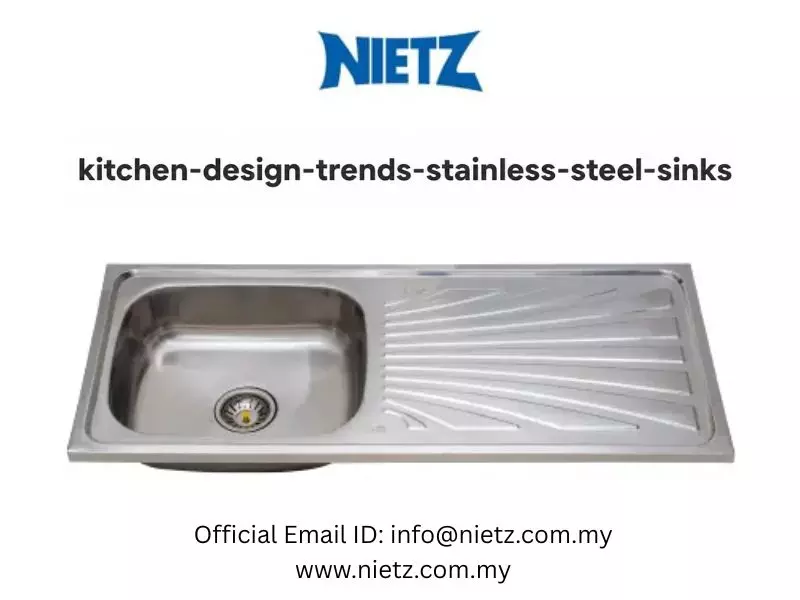
Top Kitchen Design Trends Featuring Stainless Steel Sinks
Stainless steel sinks have become a defining feature in modern kitchen design. They pair effortlessly with minimalist cabinetry, industrial-style fixtures, and open-plan layouts.
Designers favour them for their durability, hygiene properties, and clean visual lines. Whether installed as an undermount, top-mount, or workstation sink, stainless steel consistently elevates the aesthetic of any contemporary kitchen space.
If you are planning a kitchen renovation or advising a client on finishes, understanding how sinks fit into current design trends is essential.
Working with a reliable stainless steel sink supplier ensures you get the right gauge, finish, and configuration to match the overall design vision.
Why Stainless Steel Sinks Dominate Contemporary Kitchen Design
The material has earned its place in high-specification kitchens for good reason. Stainless steel resists corrosion, handles heavy daily use, and stays hygienic even in humid climates like Malaysia's.
Its neutral tone works across colour palettes — from all-white kitchens to dark moody cabinetry finished in charcoal or forest green.
Designers also appreciate how stainless steel connects different elements of a kitchen. When the sink material echoes the appliances, tap hardware, or range hood, the space feels cohesive and intentional. That level of visual harmony is hard to achieve with porcelain or composite alternatives.
Key Kitchen Design Trends That Feature Stainless Steel Sinks
1. Workstation Sinks as Functional Centrepieces
The workstation sink has moved from commercial kitchens into high-end residential spaces.
These sinks feature integrated ledges that accommodate cutting boards, colanders, and drying racks — all sitting flush within the sink bowl. They turn the sink zone into a prep station, reducing countertop clutter and improving workflow.
For open-plan kitchens where the island faces the living area, a workstation sink also doubles as a display of considered design. It signals that the kitchen was planned, not just assembled.
2. Undermount Installation for Seamless Countertops
Top-mount sinks used to be the default. Today, undermount stainless steel sinks are the preferred choice in modern kitchen design. The rim sits below the countertop surface, eliminating the lip where grime collects and creating a smooth, uninterrupted countertop plane.
This installation style works especially well with quartz and engineered stone countertops, which are widely used in Malaysian residential and commercial projects. The result is a cleaner look that is also easier to maintain.
3. Single-Bowl Deep Sinks for Minimalist Spaces
Double-bowl sinks are being phased out in minimalist kitchen designs. A single deep bowl offers more versatility — it fits large pots and pans, accommodates baking sheets, and creates a cleaner visual line beneath the countertop.
Interior designers working on compact urban apartments in Kuala Lumpur and Penang often specify single-bowl undermount sinks precisely for this reason.
The depth also matters. A bowl depth of 220mm or more reduces splashing and allows for more practical dishwashing without compromising the sink's streamlined appearance.
Read: Modern Kitchen Hood and Hob Designs That Transform Your
4. Brushed and Matte Finishes Over High-Polish Chrome
Polished stainless steel was once the standard. Now, brushed and satin finishes are the more popular choice in contemporary kitchen design.
These finishes hide water spots and fine scratches better, maintaining their appearance over time without constant polishing.
Brushed finishes also photograph better — a practical consideration for homeowners who share interior spaces online. They create a textural contrast against glossy cabinetry and reflective backsplash tiles, adding depth to the overall kitchen composition.
5. Integrated Tap and Sink Combinations
Specifying a sink in isolation is outdated. Leading designers now plan the tap, sink, and surrounding hardware as one cohesive unit.
A matte black pull-down tap over a brushed stainless steel sink, for example, creates a deliberate material contrast that feels curated rather than assembled.
In higher-specification projects, this extends to matching the sink finish with the kitchen accessories — from cabinet handles to appliance knobs. Consistency across touchpoints is what separates a designed kitchen from a renovated one.
Material Specifications That Matter in Stainless Steel Sinks
Not all stainless steel sinks perform equally. When sourcing products, these specifications determine quality:
Specification
What to Look For
Why It Matters
Steel Grade
304 stainless steel (18/8 or 18/10)
Higher chromium and nickel content resists corrosion and staining
Gauge
16–18 gauge recommended
Lower gauge number means thicker steel and better durability
Bowl Depth
200mm–250mm
Deeper bowls reduce splashing and improve practicality
Sound Dampening
Undercoat padding on base
Reduces noise from running water and metal contact
Finish
Brushed or satin
More resistant to visible scratches and water marks
For projects in Malaysia, specifying 304-grade stainless steel is especially important. The combination of humidity, hard water in certain regions, and frequent heavy kitchen use accelerates wear on lower-grade materials.
How Stainless Steel Sinks Fit Into Broader Kitchen Accessory Trends
The sink rarely exists in isolation. It is part of a broader kitchen accessories ecosystem that includes pull-out cabinet bins, drawer organisers, integrated chopping boards, and storage solutions.
A well-specified modern kitchen sink connects physically and visually to these surrounding elements.
Designers working on open-shelf kitchens, for instance, often use the sink zone as an anchor — building outward with matching steel accessories, woven baskets, and ceramic canisters to create a styled yet functional prep area. The sink becomes the visual starting point, not an afterthought.
What Interior Designers Should Ask Before Specifying a Sink
Before finalising a sink for any project, consider these practical questions:
- What is the countertop material? Undermount installation requires a countertop that can support edge-to-edge cutting without a rim.
- How is the kitchen used? Heavy cooking households need deeper bowls and higher-gauge steel.
- What is the tap configuration? Single-hole, three-hole, and deck-mounted taps require different sink pre-drilling specifications.
- Is noise a concern? For open-plan spaces, sound-dampened sinks prevent kitchen noise from travelling into living areas.
- Does the finish match the hardware palette? Mixing brushed nickel with chrome fixtures creates visual inconsistency.
These questions help avoid costly specification errors and ensure the final installation meets both aesthetic and functional expectations.
Choosing the Right Stainless Steel Sink Supplier for Your Project
Product quality is only one part of the equation. The supplier's range, lead times, and technical support matter just as much — particularly on commercial or multi-unit residential projects where consistency across every kitchen is non-negotiable.
Look for suppliers who carry a full range of configurations: single bowl, double bowl, workstation, and bar sinks.
The ability to source matching kitchen accessories from the same supplier also simplifies procurement and ensures a consistent finish throughout the space.
For homeowners and interior designers working on projects in Malaysia, Nietz offers a curated selection of stainless steel sinks and kitchen accessories designed to meet the demands of both residential and commercial spaces.
Their product range supports the kind of considered, specification-led approach that current kitchen design trends require.
Frequently Asked Questions
What gauge stainless steel is best for a kitchen sink?
16 to 18 gauge stainless steel is recommended for kitchen sinks. Lower gauge numbers indicate thicker steel, which resists denting, reduces noise, and holds up better under heavy daily use compared to thinner 20 or 22 gauge options.
Is stainless steel or granite composite better for a modern kitchen?
Stainless steel suits modern and industrial kitchen aesthetics better due to its clean lines and compatibility with steel appliances. Granite composite offers more colour variety but can crack under thermal shock. For high-use kitchens, stainless steel remains the more durable and hygienic choice.
What is a workstation sink and is it worth the investment?
A workstation sink includes built-in ledges that hold accessories like cutting boards and colanders. It is worth investing in for homeowners who cook frequently, as it maximises prep space efficiency and reduces countertop clutter without requiring a larger kitchen footprint.
How do I prevent scratches on a stainless steel sink?
Choose a brushed or satin finish, as it conceals minor scratches better than polished steel. Avoid steel wool and abrasive cleaners. Rinse after contact with acidic food and dry the sink regularly to prevent water spot buildup and surface marking.
Can stainless steel sinks be used with all countertop types?
Yes, but undermount installation works best with quartz, granite, and engineered stone countertops. Laminate countertops are generally not suitable for undermount sinks. Top-mount stainless steel sinks can be installed on any countertop surface without structural concerns.
Where can interior designers source stainless steel sinks in Malaysia?
Interior designers in Malaysia can source stainless steel sinks from specialist sanitary and kitchen accessory suppliers who stock commercial-grade products. Look for suppliers offering 304-grade steel, a range of bowl configurations, and consistent availability for multi-unit projects.