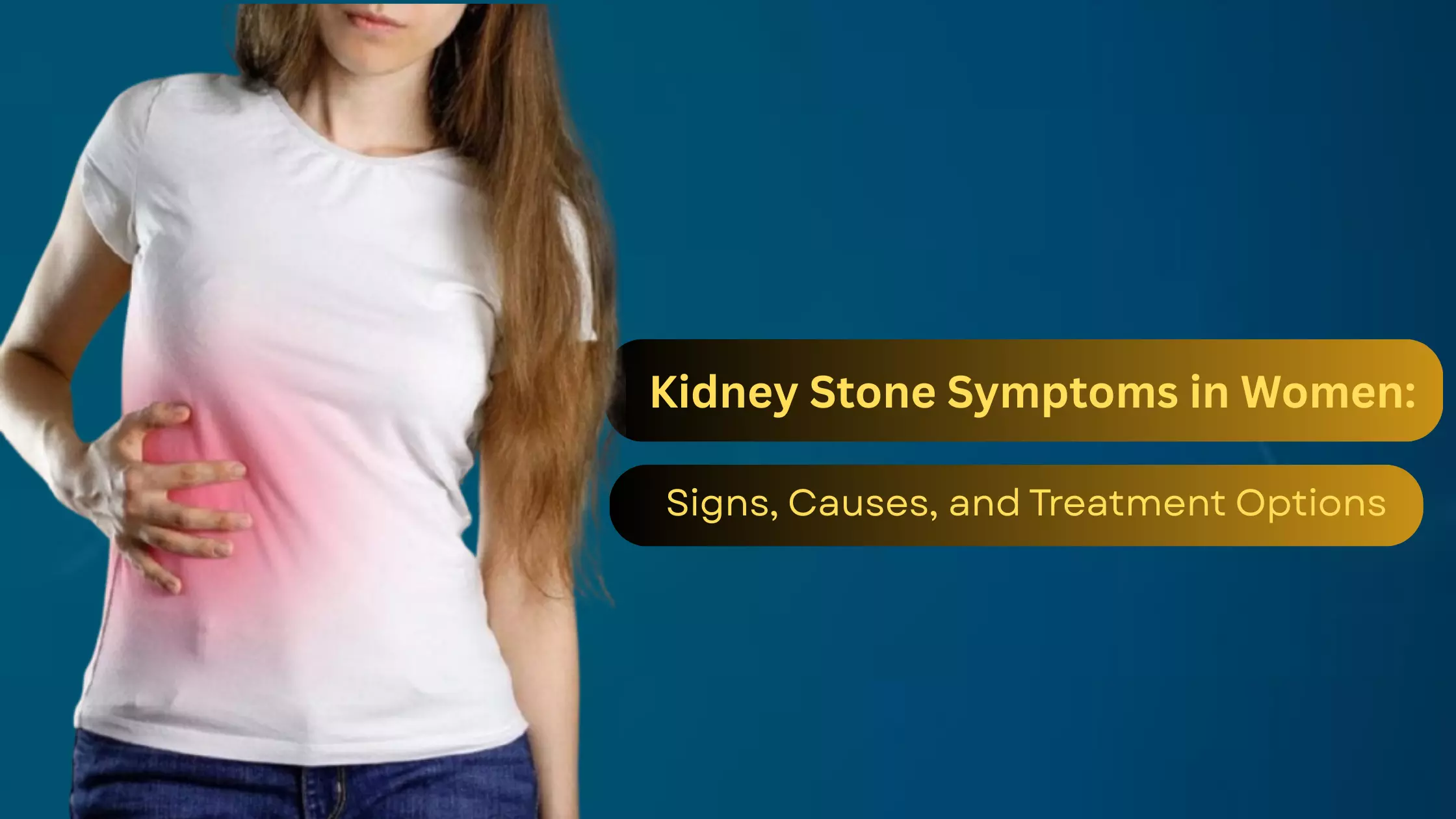
Kidney Stone Symptoms in Women: Signs, Causes, and Treatment Options
Kidney stones are one of those health problems that can sneak up on you without much warning. For many women, the first sign is often a sharp, unexpected pain that feels almost unbearable. While kidney stones affect both men and women, recent studies show that women are becoming increasingly prone to them due to changing dietary habits, sedentary lifestyles, and rising cases of urinary tract infections (UTIs).
Unlike men, women may sometimes mistake kidney stone symptoms for gynecological issues like ovarian cysts or menstrual cramps, which makes timely diagnosis more complicated. If you’re facing such symptoms, consulting an experienced urologist in Jaipur can help ensure accurate diagnosis and effective treatment.
In this article, we’ll take a deep dive into the kidney stone symptoms in women, what makes them different from men, how to identify early warning signs, and what treatment or prevention options exist. By the end, you’ll have a clear understanding of not only the symptoms but also the causes, risk factors, and lifestyle changes needed to protect your kidney health.
What Are Kidney Stones?
Kidney stones are hard, crystalline deposits that form inside your kidneys when minerals and salts in your urine become too concentrated. Imagine your kidneys as natural filters. When they’re overloaded with calcium, oxalate, or uric acid, these substances can clump together, creating tiny stones that range from as small as a grain of sand to as large as a golf ball.
Women may experience kidney stones differently because their anatomy and hormonal makeup influence how urine flows and how the body processes minerals. For instance, pregnancy can alter kidney function and sometimes increase the risk of stones.
How Kidney Stones Form
The process usually begins when urine becomes too concentrated. Instead of flushing out excess minerals, the body allows them to crystallize. Over time, these crystals stick together, forming a stone. Poor hydration, high salt intake, and excessive consumption of certain foods (like red meat or oxalate-rich foods) often trigger stone formation.
Types of Kidney Stones Women May Experience
- Calcium Stones: The most common type, often caused by excess calcium and oxalate.
- Uric Acid Stones: Linked to high-protein diets and dehydration.
- Struvite Stones: More common in women, usually linked to chronic UTIs.
- Cystine Stones: Rare, but occur in women with a genetic condition called cystinuria.
Understanding these different types is important because treatment and prevention strategies may vary depending on the type of stone you develop.
Early Signs of Kidney Stones in Women
The earliest signs of kidney stones are often subtle and easy to dismiss. For many women, these may seem like normal discomforts associated with their monthly cycle, digestive issues, or minor infections. However, recognizing these symptoms early can make all the difference in avoiding severe pain later.
Mild Pain and Discomfort
At first, you might feel a dull ache in your lower back, abdomen, or sides. Unlike menstrual cramps, this pain can come and go unexpectedly and doesn’t always follow a predictable pattern. Some women describe it as a “nagging” sensation that doesn’t fully go away.
Changes in Urination
One of the earliest red flags is a change in your bathroom habits. You may notice:
- Increased frequency of urination
- Urgent need to pee but passing only small amounts
- Burning sensation when urinating
These changes occur because the stone may be moving within the urinary tract, irritating its lining and partially blocking urine flow.
Catching these early signs could mean the difference between passing a small stone naturally or needing medical intervention later.
Common Kidney Stone Symptoms in Women
When kidney stones progress beyond the early stage, the symptoms become more intense and harder to ignore. Women often report that the pain is unlike anything they’ve felt before.
Severe Flank or Back Pain
This is the hallmark symptom of kidney stones. The pain typically starts suddenly in your back or side, just below the ribs, and can radiate to the lower abdomen and groin. It’s often described as sharp, stabbing, and waves of intensity. Unlike regular back pain, it doesn’t improve with rest or position changes.
Nausea and Vomiting
The pain can be so overwhelming that it triggers nausea or even vomiting. This happens because your body reacts to the intense discomfort and the stone’s impact on your urinary system.
Blood in Urine (Hematuria)
If you notice pink, red, or brown discoloration in your urine, it’s a strong indicator of kidney stones. This occurs because the stone scrapes against the urinary tract, causing bleeding.
Cloudy or Foul-Smelling Urine
Kidney stones can sometimes be accompanied by urinary tract infections (UTIs). If your urine looks cloudy, has a strong odor, or you feel burning while peeing, it could be a sign of both kidney stones and infection.
These symptoms usually don’t go unnoticed—and they shouldn’t. At this stage, medical evaluation is crucial.
Unique Kidney Stone Symptoms in Women vs. Men
Kidney stone symptoms in women can sometimes be misleading because they overlap with conditions related to the reproductive system. This makes it harder for women to immediately suspect kidney stones.
Differences in Pain Location
While men often feel pain in the groin, women may feel it lower in the abdomen, closer to the pelvic region. This can easily be confused with ovarian cysts, endometriosis, or menstrual pain.
Overlapping Symptoms with Gynecological Conditions
- Pelvic cramping similar to menstrual cramps
- Abdominal bloating that feels like PMS
- Discomfort during urination that mimics UTI symptoms
Because of these overlaps, many women initially seek care from their gynecologist before being referred to a urologist. This delay can prolong the diagnosis process and worsen symptoms.
Severe Kidney Stone Symptoms That Require Immediate Medical Attention
When kidney stones advance to a critical stage, the symptoms become so severe that ignoring them can put your health at serious risk. While mild discomfort may be manageable at home, there are specific signs every woman should take seriously and seek emergency care for immediately.
Intense Pain That Doesn’t Go Away
Kidney stone pain is often described as one of the worst pains a person can experience. If the pain becomes relentless, radiates from your back to your abdomen or groin, and doesn’t improve with rest, it’s a signal that the stone may be blocking urine flow. This obstruction can cause kidney swelling, making the pain sharper and more persistent. Unlike menstrual or muscle pain, kidney stone pain doesn’t ease with over-the-counter medication or heat pads.
Fever and Chills
If you develop a fever along with chills, it could mean the stone has caused an infection in your urinary tract or kidneys. This is a medical emergency. Infections combined with blocked urine flow can quickly escalate to sepsis, a life-threatening condition. Women are already more prone to urinary tract infections than men, so when combined with kidney stones, the risk multiplies.
Difficulty Passing Urine
Struggling to urinate, producing only drops at a time, or feeling pressure without output are signs of a severe blockage. In such cases, immediate medical intervention is necessary to prevent permanent kidney damage.
If you experience these symptoms, it’s not just about passing a stone—it’s about protecting your kidneys and overall health. Prompt medical care can prevent complications that might otherwise lead to long-term problems.
Complications of Untreated Kidney Stones in Women
Some women try to tough it out, hoping the stone will pass on its own. While small stones often do, ignoring symptoms can lead to dangerous consequences.
Risk of Urinary Tract Infections (UTIs)
Kidney stones can trap bacteria inside the urinary tract, creating the perfect environment for infections to thrive. Left untreated, these infections can spread to the kidneys and bloodstream, causing life-threatening conditions.
Kidney Damage and Scarring
A stone that blocks the flow of urine puts pressure on the kidneys. Over time, this can lead to hydronephrosis (swelling of the kidney) and scarring of kidney tissue. The longer the blockage lasts, the greater the risk of permanent kidney damage.
Recurrent Stone Formation
Once you’ve had a kidney stone, you’re at higher risk of developing another. Ignoring the underlying cause—whether it’s diet, hydration, or an existing medical condition—can lead to repeated episodes. For women, this can mean recurring cycles of severe pain and repeated hospital visits.
Simply put, untreated kidney stones are not just painful—they can be dangerous. Seeking timely medical care can save you from long-term health consequences.
Causes and Risk Factors for Kidney Stones in Women
Understanding what causes kidney stones is the first step toward prevention. While genetics and anatomy play a role, lifestyle and diet often tip the balance.
Diet and Lifestyle Choices
- High Salt Intake: Too much sodium increases calcium levels in urine, leading to stone formation.
- Low Water Intake: Dehydration is the most common trigger for stones. Concentrated urine makes it easier for minerals to crystallize.
- Excessive Animal Protein: Diets rich in red meat can raise uric acid levels, encouraging stone growth.
Medical Conditions That Increase Risk
Certain conditions make women more susceptible:
- Urinary Tract Infections (UTIs): Recurrent UTIs are closely linked to struvite stones.
- Polycystic Ovary Syndrome (PCOS): Hormonal imbalances may indirectly increase the risk of stones.
- Diabetes and Obesity: Both conditions alter urine composition, making stone formation more likely.
Genetic and Hormonal Factors
Family history plays a big role. If your parents or siblings had kidney stones, you’re more likely to develop them too. Women’s hormonal changes during pregnancy or menopause can also affect how the kidneys process calcium and other minerals.
By identifying these risk factors, women can take proactive steps to reduce their chances of developing painful stones.
How Kidney Stones Are Diagnosed in Women
Because kidney stone symptoms often overlap with gynecological issues, accurate diagnosis is key. Doctors use a combination of history, imaging, and lab tests to confirm whether you’re dealing with stones.
Medical History and Physical Examination
Your doctor will first ask about your symptoms, family history, and lifestyle. They’ll also perform a physical exam to check for tenderness in your back and abdomen.
Imaging Tests (Ultrasound, CT Scan)
- Ultrasound: Often used first in women, especially during pregnancy, since it avoids radiation exposure.
- CT Scan: Provides the most accurate detection, identifying even very small stones.
Lab Tests for Urine and Blood
- Urine Tests: Check for blood, infection, or crystals.
- Blood Tests: Detect high calcium, uric acid, or other abnormalities linked to stone formation.
Getting the right diagnosis ensures the right treatment—whether that’s medication, lifestyle changes, or surgical intervention.
Treatment Options for Kidney Stones in Women
Not all kidney stones require surgery. The treatment depends on the size, type, and severity of the stone.
Medications for Pain and Stone Passage
Doctors often prescribe:
- Pain Relievers: To manage severe discomfort.
- Alpha Blockers: To relax the muscles of the ureter, helping stones pass more easily.
- Antibiotics: If an infection is present.
Non-Surgical Procedures (Lithotripsy)
Extracorporeal Shock Wave Lithotripsy (ESWL) uses sound waves to break stones into smaller fragments, making them easier to pass. This is a common option for medium-sized stones.
Surgical Interventions
For larger stones that can’t pass naturally:
- Ureteroscopy: A thin scope is inserted through the urinary tract to remove or break the stone.
- Percutaneous Nephrolithotomy: A minimally invasive surgery to remove very large stones directly from the kidney.
Treatment aims not only to relieve symptoms but also to prevent future recurrences.
Natural Remedies and Home Care for Kidney Stones
For women dealing with mild to moderate kidney stones, natural remedies and home care can sometimes be effective in easing discomfort and even supporting stone passage. While these methods don’t replace medical treatment, they can be a helpful addition to your care plan.
Hydration and Dietary Adjustments
The most important home remedy is simple: drink more water. Staying hydrated helps dilute urine and prevents mineral buildup that causes stones. Aim for at least 8–10 glasses of water daily, or more if you live in a hot climate or sweat heavily. Adding citrus drinks like lemon water is also beneficial since citrate can help prevent calcium stones from forming.
Dietary adjustments may also make a difference:
- Reduce salt intake to lower calcium levels in urine.
- Limit animal protein such as red meat and shellfish, which can increase uric acid stones.
- Eat more fruits and vegetables, especially those high in potassium and magnesium, which support kidney function.
Herbal and Natural Treatments
Some natural remedies are known to ease symptoms and support kidney health:
- Basil juice: Traditionally used to help break down kidney stones and relieve pain.
- Apple cider vinegar: Contains acetic acid, which may help dissolve stones over time.
- Dandelion root tea: Acts as a diuretic, increasing urine flow to help flush stones.
These remedies should be used cautiously and under the guidance of a healthcare provider, as effectiveness can vary and interactions with medications may occur.
When Home Remedies Aren’t Enough
If symptoms worsen—such as severe pain, fever, or difficulty urinating—home care isn’t enough. At that point, immediate medical care is necessary to prevent complications.
Prevention of Kidney Stones in Women
Preventing kidney stones is often easier than treating them. By making certain lifestyle changes, women can greatly reduce their chances of recurrence.
Dietary Tips to Reduce Risk
- Drink plenty of fluids daily, focusing on water and natural citrus juices.
- Limit salt and processed foods, which increase calcium excretion in urine.
- Cut back on sugar-sweetened drinks like soda, which are linked to higher kidney stone risk.
- Balance calcium intake by getting it from food sources (like dairy) rather than supplements, which can increase stone formation.
Lifestyle Changes
- Stay active: Regular exercise helps maintain a healthy weight, reducing stone risk.
- Avoid excessive caffeine and alcohol, as they can dehydrate the body.
- Practice healthy bladder habits to avoid recurrent urinary infections, which are a common trigger for stones in women.
Regular Check-ups and Monitoring
If you’ve had kidney stones before, regular medical check-ups are key. Your doctor may recommend periodic urine and blood tests, or even imaging, to monitor your kidneys and catch new stones before they grow large enough to cause pain.
Dietary Do’s and Don’ts for Women with Kidney Stones
Your diet plays one of the biggest roles in stone formation and prevention. Here’s a breakdown of what to eat and what to avoid.
Foods to Avoid
- Oxalate-rich foods: Spinach, rhubarb, and beets can worsen calcium oxalate stones.
- Salty foods: Processed snacks, canned soups, and fast food increase urinary calcium.
- Sugary drinks: Soda, especially those with high fructose corn syrup, raise stone risk.
- Excess animal protein: Too much red meat, poultry, and seafood increases uric acid levels.
Best Foods for Kidney Health
- Citrus fruits: Lemons, oranges, and grapefruits are rich in citrate, which helps prevent stone formation.
- Leafy greens (low-oxalate): Kale, lettuce, and cabbage provide nutrients without the oxalate overload.
- Whole grains: Brown rice, oats, and quinoa support overall health and digestion.
- Legumes and nuts (in moderation): Good sources of plant protein and magnesium, which may reduce risk.
Importance of Balanced Nutrition
It’s not just about avoiding bad foods—it’s about creating a balanced diet that supports kidney health. Moderation is key. Even calcium should not be completely cut out since too little calcium can actually increase oxalate absorption and lead to more stones.
Living with Kidney Stones: Women’s Perspectives
Living with kidney stones isn’t just a physical challenge—it can also affect a woman’s mental and emotional well-being.
Emotional and Psychological Impact
Dealing with unpredictable episodes of pain can cause anxiety and stress. Women often describe the experience as exhausting, especially if stones recur frequently. Fear of future attacks can also interfere with daily activities, social life, and even professional responsibilities.
Support Groups and Community Resources
Finding support can make the journey easier. Online forums, social media groups, and local kidney health organizations provide valuable advice and encouragement. Sharing experiences with other women who have faced similar challenges helps reduce feelings of isolation and offers practical coping strategies.
By addressing both the emotional and physical sides of the condition, women can manage kidney stones with greater resilience and confidence.
Conclusion
Kidney stones in women can be a painful and disruptive condition, but with the right knowledge, treatment, and lifestyle adjustments, they can be managed and even prevented. From recognizing the early warning signs to adopting dietary changes and seeking timely medical care, women can protect their kidney health and reduce the chances of recurring stones.
The key takeaway is simple: don’t ignore the symptoms. Even mild changes in urination or discomfort in your lower back can be early warnings. By staying proactive, women can safeguard their health and avoid the complications of untreated stones.
FAQs About Kidney Stone Symptoms in Women
1. What does the beginning of a kidney stone feel like for a woman?
It often starts with a dull ache in the lower back or abdomen and changes in urination, such as frequency or burning.
2. Can kidney stones affect menstrual cycles?
Kidney stones don’t directly affect periods, but their pain can sometimes be mistaken for menstrual cramps.
3. How long do kidney stone symptoms last in women?
It depends on the size of the stone. Small stones may pass within days, while larger ones can cause symptoms for weeks.
4. Do kidney stones always cause severe pain in women?
Not always. Some stones are silent and only detected during medical tests, while others cause excruciating pain.
5. What is the fastest way to relieve kidney stone pain at home?
Staying hydrated, applying heat pads, and taking prescribed pain relievers can help, but severe cases require medical attention.