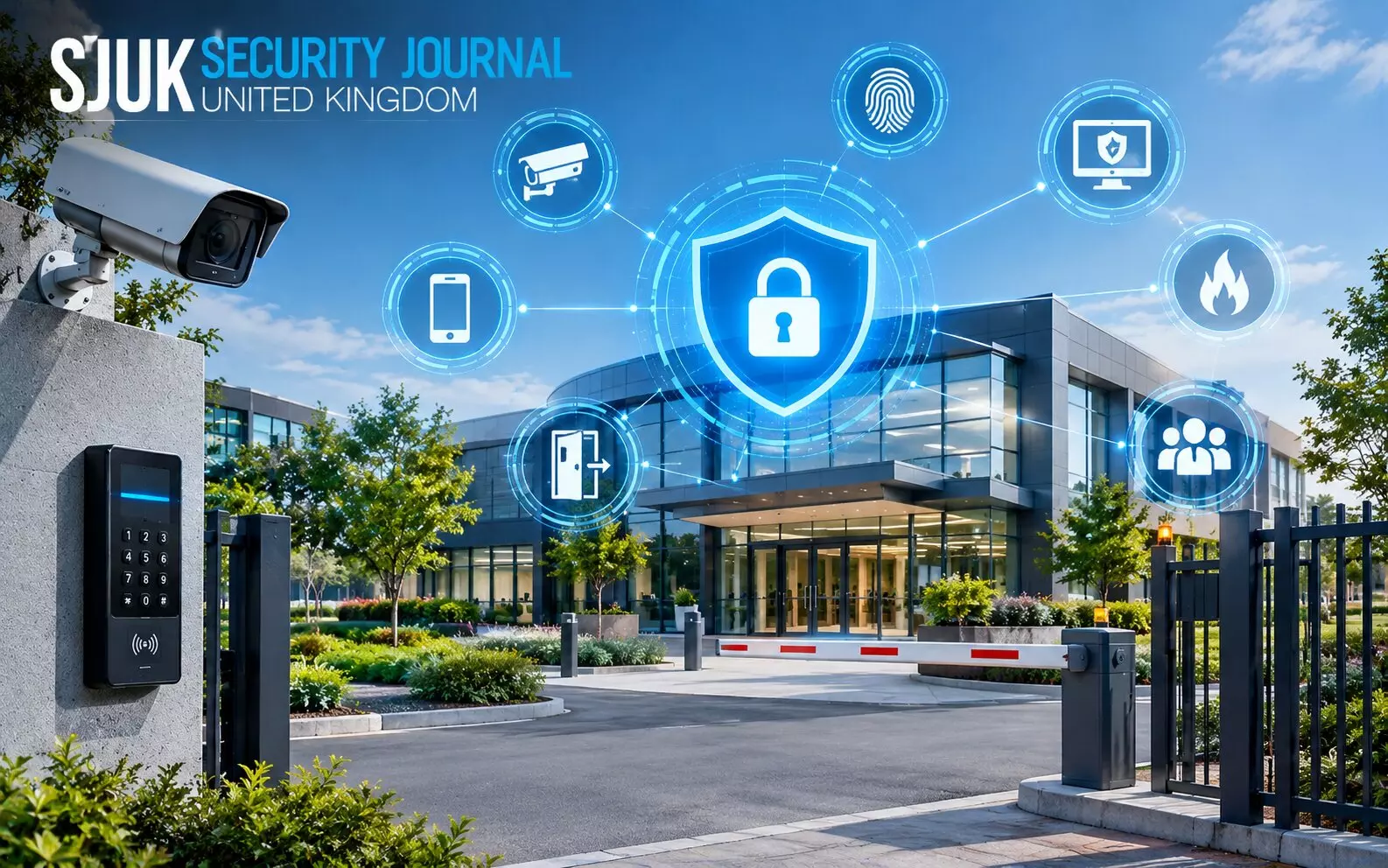
Key Technologies Supporting Safer School Environments
Technology has become an increasingly important component of school security. Educational facilities can use a combination of surveillance, access control, communication tools and alarm technologies to support staff and improve awareness of activity around the premises.
However, technology should not be selected simply because it is new. Schools should first identify their requirements and then determine which tools can address those needs effectively.
Starting With a Security Assessment
Before investing in technology, school leaders should examine the existing security environment. This can include reviewing entrances, exits, classrooms, administrative areas, playgrounds, car parks, sports facilities and other locations.
A risk assessment can identify where security controls are strongest and where improvements may be necessary. It can also help establish priorities based on the school's size, building design and daily activities.
This process is important because security systems for schools need to reflect the specific environment in which they will operate.
Electronic Access Control
Electronic access control allows schools to manage entry into selected areas. Systems may use cards, key fobs, PINs, mobile credentials or other authentication methods.
One advantage of electronic access control is the ability to assign different permissions to different users. For example, teaching staff may have access to classrooms and staff areas, while temporary contractors can receive limited permissions.
Access credentials should be reviewed regularly. When employees leave an organisation, their permissions should be removed promptly. Lost cards or devices should also be disabled where possible.
Video Surveillance
CCTV remains an important technology for many educational environments. Cameras can provide visibility at entrances, corridors, outdoor areas and other appropriate locations.
Modern cameras can offer high-resolution images and features such as motion detection, low-light performance and analytics. These functions may help security teams identify activity that requires attention.
Nevertheless, schools should consider privacy carefully. Camera placement should be justified, access to recordings should be restricted and retention practices should follow applicable requirements.
Alarm and Intrusion Detection
Intrusion detection systems can help identify unauthorised activity when school buildings are unoccupied or when restricted areas are accessed.
Depending on the site, alarms may include door contacts, motion sensors, glass-break detection and other devices. Alarm notifications can be directed to designated personnel or monitoring services.
The effectiveness of these systems depends on correct installation, configuration and maintenance. False alarms should also be reviewed because frequent unnecessary alerts can reduce staff responsiveness.
Communication and Emergency Notification
During an incident, communication can be just as important as detection. Schools need reliable ways to communicate with staff and, where appropriate, emergency responders.
Public address systems, two-way radios, emergency notification platforms and other communication technologies can support coordinated responses.
Some systems allow messages to be sent to selected groups or across an entire campus. This can be useful when schools need to communicate quickly during severe weather, security incidents or other emergencies.
Integrating Different Technologies
One of the key developments in security systems for schools is the integration of multiple technologies.
Instead of operating independently, access control, cameras, alarms and communication systems can sometimes exchange information. For example, an access-control event can be linked with nearby video footage, giving authorised personnel more context.
Integration should be approached carefully because connected systems may introduce additional technical and cybersecurity requirements. Schools should understand how information moves between platforms and who can access it.
Protecting Security Devices From Cyber Threats
Connected security equipment can become part of a school's wider digital environment. This means cybersecurity should be included when selecting and managing physical security technologies.
Schools should consider secure passwords, user permissions, software updates, network segmentation and appropriate monitoring. Vendors should also provide information about security updates and support periods.
A security camera that is poorly protected digitally can create a different type of vulnerability. Physical and cyber security should therefore be considered together.
Read: AI-Powered School Management System
Using Technology Without Replacing People
Technology provides information, but people remain responsible for interpreting that information and taking appropriate action.
A camera may identify movement, but trained personnel must determine whether the activity represents a legitimate event or a potential concern. Similarly, an alarm can generate a notification, but staff need procedures explaining what should happen next.
Training is therefore an essential part of implementing security systems for schools.
Data Protection and Privacy
Schools handle information about students, staff and visitors, making privacy an important consideration.
Before deploying surveillance or identification technology, schools should determine what information is collected, why it is required, who can access it and how long it should be retained.
Policies should be understandable and available to relevant stakeholders. Schools should also regularly review whether existing systems remain appropriate for their intended purpose.
Maintenance and System Reviews
Security technology requires ongoing maintenance. Cameras can fail, sensors may need replacement and software platforms require updates.
Schools should maintain an inventory of equipment and establish inspection schedules. System performance should be reviewed after incidents and whenever the building or operational environment changes.
A new entrance, building extension or change in school capacity may require modifications to the existing security design.
Planning for Future Requirements
Technology changes quickly, so schools should avoid creating systems that cannot be expanded or maintained. When purchasing new equipment, decision-makers can consider interoperability, scalability, vendor support and lifecycle costs.
A modular approach may allow schools to introduce improvements gradually rather than replacing every component at once.
Information from organisations such as Security Journal UK can also help professionals follow broader developments in security technology and risk management.
Ultimately, security systems for schools should support a wider strategy that includes physical controls, policies, staff training and emergency planning.
Technology can improve visibility and control, but its value depends on how well it is selected, implemented and managed. Schools that regularly review their systems can adapt security measures as their buildings, technologies and risks evolve.