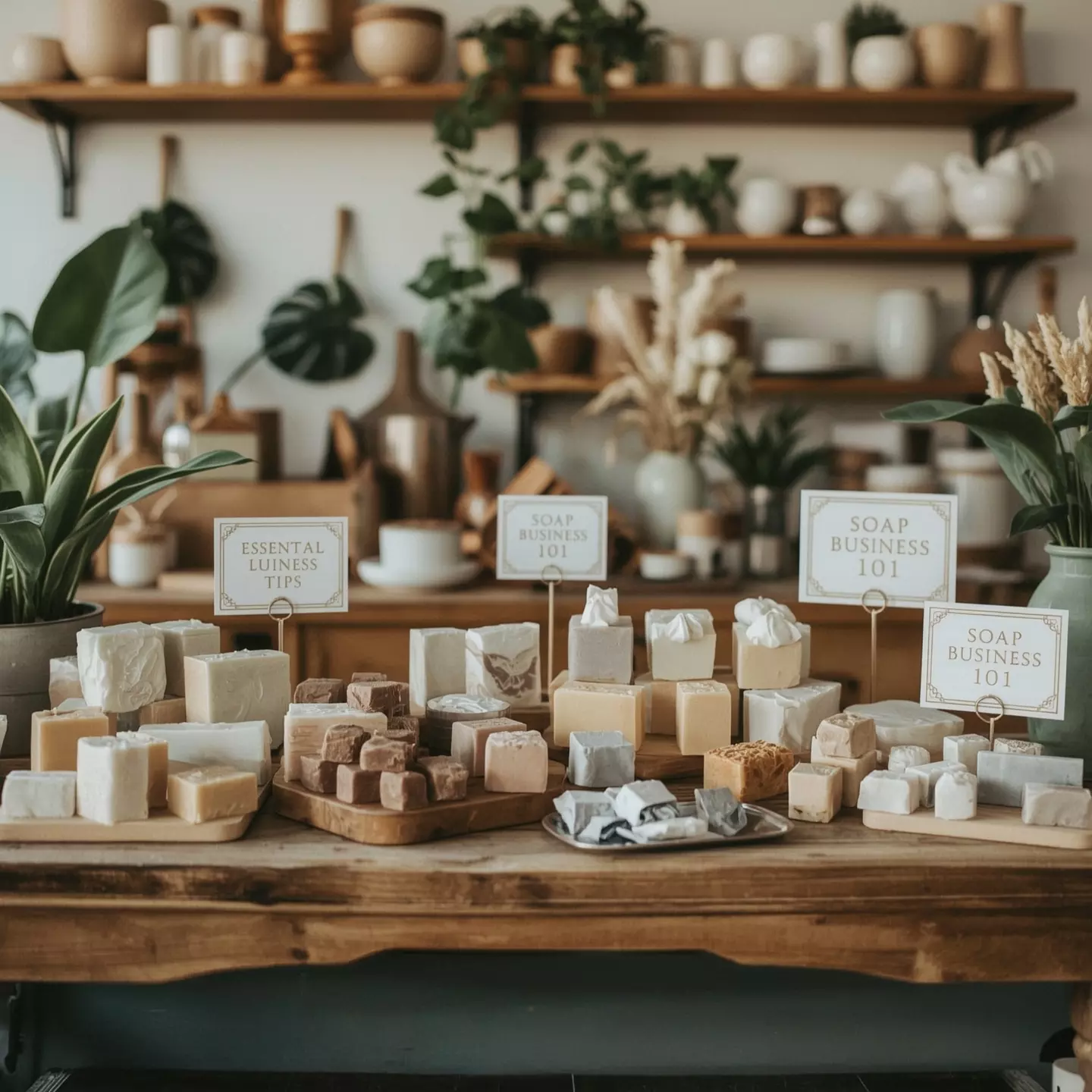
Key Insights You Need Before Launching Your Soap-Making Business
Entering the soap-making industry can be a highly fulfilling endeavor, especially with the increasing interest in handmade, organic skincare products. However, before you jump into production, it’s essential to understand some critical aspects of the craft. From common mistakes to best practices, this guide will provide you with the knowledge to avoid pitfalls and help you build a sustainable soap business.
1. How to Manage the Water Discount in Soap Making
Water discount refers to the ratio of water used in the soap-making process. Excessive water discount can lead to soap that is too hard, making it challenging to work with. While many soap makers choose to reduce water content for firmer soap, it’s important to strike the right balance.
For beginners, it’s recommended to follow a standard recipe to ensure you're using an appropriate amount of water. Adjusting water levels too much can impact the soap’s texture and consistency, making it difficult to handle and mold.
2. The Importance of Temperature Control
Temperature plays a pivotal role in soap making. Overheated oils or lye can lead to problematic soap, resulting in textures that are either too thick or prone to separation.
o avoid these issues, it’s important to maintain the right temperatures. After dissolving the lye, allow it to cool down before mixing it with your oils.
Ensuring that your oils are at a controlled temperature will help maintain the soap's consistency, which in turn ensures a smoother texture and easier molding. This is crucial for creating soap that is both high-quality and easy to manage during production, ensuring that it fits perfectly into its final presentation, whether it’s being displayed or stored for sale.
3. Fragrance and Essential Oils: How They Affect the Process
Adding fragrances and essential oils is an exciting part of the soap-making process, but it can also cause accelerated trace—where the soap batter thickens too quickly. Certain oils, especially those that are highly concentrated, can cause the batter to become difficult to pour and shape.
To avoid this, measure your fragrance and essential oils carefully. Keep in mind that some oils, like citrus or cinnamon, can speed up trace, while others are slower to react. Adjusting fragrance levels will give you more control over the consistency of your soap batter, ensuring a more manageable process.
4. Managing Soap Batter That Thickens Too Fast
One of the more frustrating challenges for soap makers is when the soap batter thickens too quickly. This usually happens when you add too much fragrance or incompatible ingredients like certain botanicals or powders. The batter may become unworkable, leading to a loss of texture and shape.
To counter this, be mindful of the temperature and ingredient ratios. Working quickly and using a stick blender can help manage this thickening, but it’s best to adjust your ingredients or use a different recipe if this becomes a frequent issue.
5. Ricing in Soap Batter: What Causes It and How to Fix It
Ricing refers to small, rice-like clumps that appear in the soap batter, typically caused by too hot of a lye solution or incompatible oils. This can make the soap look uneven and unsightly.
Preventing ricing can be as simple as controlling the temperature of your oils and lye. If you do experience ricing, you may be able to salvage the batch by blending it further with a stick blender. However, it’s important to ensure that your oils and lye are balanced before mixing to avoid this problem in the first place.
6. What to Do When Soap Batter Separates or Curds
Sometimes, soap batter separates or curdles, which can occur due to incorrect measurements or incompatible ingredients. This can lead to a grainy texture and an uneven final product.
If your soap begins to separate, try to blend it immediately using a stick blender to re-emulsify it. However, you can avoid this issue by ensuring proper temperature control and ingredient compatibility from the beginning.
7. Why Consistency is Key in Soap Production
Building a successful soap business hinges on consistency. Your customers expect the same quality every time they purchase a batch of soap. Ensuring that each bar is the same size, scent, and texture will build trust and repeat business.
Testing your recipes and keeping your process consistent is key to maintaining high-quality products. Over time, you’ll be able to refine your techniques and streamline your production, ensuring that each batch meets your customers’ expectations.
Conclusion: How to Avoid Common Mistakes and Succeed in Soap Making
Starting your own soap-making business requires knowledge, patience, and a bit of trial and error. By understanding the key challenges like water discount, temperature management, and fragrance handling, you can avoid the typical mistakes that new soap makers often face.
Don’t be afraid to experiment with different techniques and ingredients, but always remember to keep the process controlled. With practice, you’ll soon master the craft, create beautiful soaps, and build a successful business. Stick to proven recipes, test thoroughly, and most importantly, stay consistent in every batch you create.