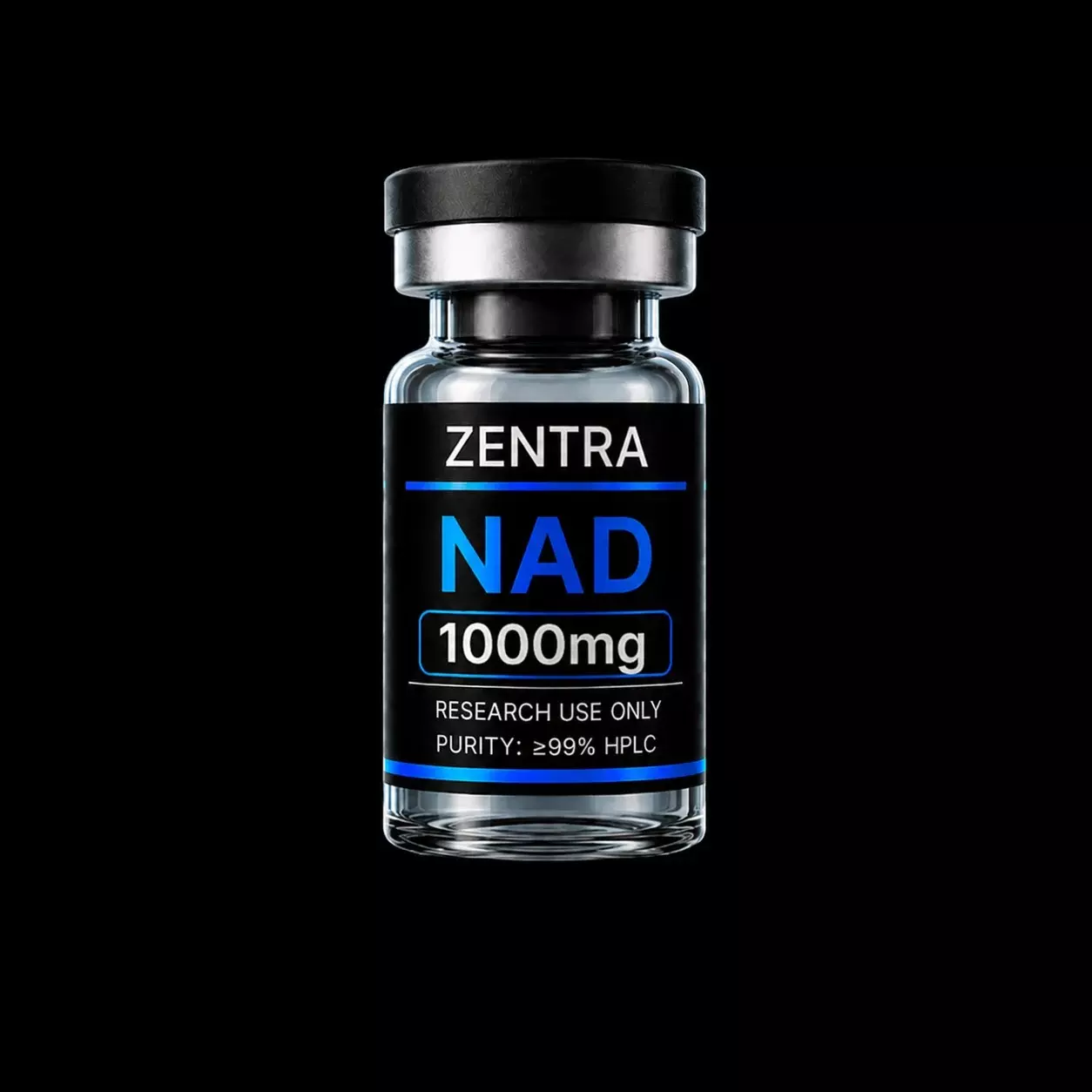
Key Factors to Consider When Selecting an NAD+ Research Peptide Supplier
NAD+ (Nicotinamide Adenine Dinucleotide) is a coenzyme that is widely referenced in laboratory research on cellular energy metabolism and mitochondrial functions.
As demand for high-purity research compounds is growing across UK laboratories, selecting a reliable NAD+ research peptide supplier has become essential.
Suppliers who verify sourcing, purity, storage conditions and third-party analytical testing consistently give researchers strong confidence in experimental reproducibility.
On that note, this article breaks down the factors that you should check before ordering, including certificate of analysis practices and storage protocols.
Purity Verification and Testing Methods
Purity is the first attribute that you should confirm before placing any order because it directly affects whether results can be reproduced later. Here is what a credible testing process typically includes:
● HPLC (High-Performance Liquid Chromatography): Reversed-phase HPLC separates the peptide from related impurities and calculates purity from the main peak. This method is commonly used to generate the results shown on a Certificate of Analysis.
● This method confirms molecular weight and identity, and can detect truncated or incorrect sequences that a purity percentage alone does not show.
● ICP-MS screening: Heavy metals are inorganic, so HPLC and mass spectrometry alone cannot detect them. A separate ICP-MS test is needed to screen for metal contaminants.
● Endotoxin testing: Reported in EU per milligram, relevant for compounds used in sterile research settings.
Understanding the NAD+ Certificate of Analysis
A reliable NAD+ certificate of analysis is what proves a specific batch meets its stated purity and identity, backed by real batch-specific data. Strong documentation makes that verification simple for researchers to check. The table below sets out what separates a strong report from a basic one:
Element
Strong COA
Weak COA
Testing source
Independent third-party lab
Supplier's in-house lab only
Accreditation
Lab holds ISO/IEC 17025 accreditation Peptidepedia
No accreditation stated
Batch data
Batch number matches the vial label exactly
Generic or missing batch ID
Supporting data
Chromatogram image and endotoxin results shown in EU/mg Peptidepedia
Purity percentage only, no raw data
Verifiability
Lab can be contacted, or results checked independently
No way to confirm authenticity
Institutional and Bulk Ordering Support
Institutional buyers typically require different terms than a researcher placing a single order. Laboratories and distributors managing repeat demand generally need volume-based pricing to support ongoing procurement.
Consistent lot sourcing becomes more important once orders extend across multiple shipments. A supplier suited to institutional buyers should accommodate projected volume needs in advance.
Read: BC9 vs Peptide Pros: Which Peptide Supplier Stands Out
Documentation and Support at Scale
The more order quantity rises, the more documentation is required to ensure the precision of all batches.
The combination of quick order handling, precise shipment tracking and consistency in documentation makes large orders easy to fulfil. Researchers should also check if there is someone to take care of repeat orders as well as support invoicing purchases.
The supplier who ensures COA documentation with each batch shows dedication to quality management with large NAD+ Peptide UK orders.
Storage, Handling and Shipping
NAD+ stability is linked to storage conditions, which is why handling instructions are important just like purity levels. Suppliers providing a NAD+ certificate of analysis for all shipments typically document storage requirements.
Check that the following storage details are stated before ordering:
● Lyophilised powder kept in a cold and dry place away from light until reconstitution.
● Reconstituted solution kept in a refrigerator with a temperature range of 2°C – 8°C and no freeze-thawing process is performed.
● Expedited shipping service for faster delivery and reduced exposure to high temperatures.
● Special tamper-proof packaging to confirm the integrity of the vial before delivery.
Final Thoughts
Choosing an NAD+ research peptide supplier involves verifiable evidence. Third-party testing, a batch-specific COA, a clear return policy and proper storage instructions are some of the signs that a supplier meets research standards.
Verifying all these aspects ensures reliable data and buyer confidence. You must also request documentation directly, verify lab accreditation and select suppliers providing batch-matched documentation promptly.