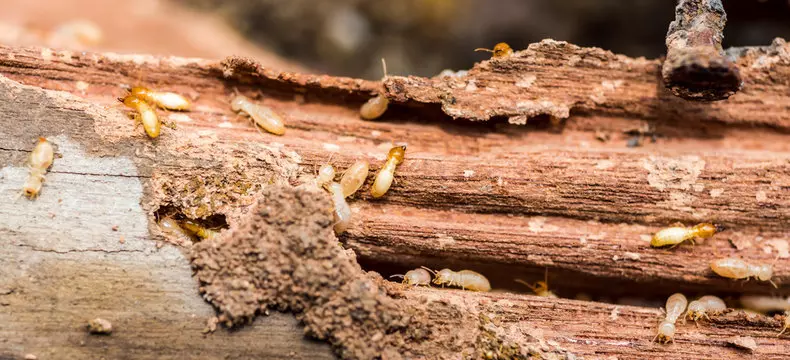
Keep Termites Out for Good: How to Spot Wood-Destroying Insects Early and Choose the Right Termite Treatment
Even a small termite colony can quietly hollow out a structure over time. Learn how to identify early signs, understand the threat, and pick the most effective treatment before permanent damage sets in.
The Hidden Threat Beneath Your Floors
If you're like most homeowners in New York, termites probably aren't top of mind—until it's too late. The real trouble with these wood-destroying insects is their silence. They don’t alert you with buzzing wings or obvious droppings. Instead, they eat away at the very bones of your home: subfloors, studs, support beams.
By the time the signs become obvious—blistered wood, sagging floors, or visible mud tubes—the structural damage is already happening. What’s worse is that this destruction doesn’t just affect your living space. It hits your wallet hard.
Why Small Signs Shouldn’t Be Ignored
Let’s talk about what’s at stake. New York’s mix of older buildings, humid summers, and dense housing makes it a prime target for termites—especially subterranean species, which thrive in moist environments and build extensive underground networks. You may spot something subtle, like:
- Paint that appears to bubble or peel for no reason
- Doors and windows that stick suddenly
- Strange clicking noises in the walls
- Pencil-thin mud tunnels along the foundation
Most people dismiss these early indicators, chalking them up to moisture or old paint. But each of these could be a whisper from a growing colony just beneath the surface.
In our work across the boroughs, we’ve seen this pattern too often. A homeowner notices something minor but waits, assuming it’s harmless—until a routine inspection or remodeling project reveals severe hidden damage.
The Real Cost of Waiting Too Long
One recent case in Bay Ridge, Brooklyn is a perfect example. A young couple bought a charming brownstone built in the 1920s. During the first year, they noticed slight sagging in the living room floor and some bubbling in the wall paint. Their contractor suspected water damage. But when the floorboards were lifted for repair, they found tunnels hollowed out by termites—deep into the joists.
The damage was severe enough to require structural reinforcement and a full round of chemical treatment. Between repairs, temporary relocation, and pest management, the bill soared past $25,000. Had they called for an inspection earlier, the termites could’ve been caught for a fraction of the cost—and the house wouldn’t have lost value.
It’s stories like this that keep pest pros awake at night. Because it’s preventable.
So What’s the Solution? Stop the Colony Before It Spreads
The good news? If caught early, termite problems can be handled efficiently with minimal disruption. But not all treatments are created equal, and not every company offers the same level of protection.
Here’s what really matters:
1. Accurate Identification
You need to know what species you're dealing with. Subterranean termites are the most destructive in the NYC area. They build mud tubes and nest underground, often entering homes through cracks in foundations or plumbing access points.
2. Targeted Treatment Options
There are two main professional approaches:
- Liquid Termiticides (like Termidor®): Applied around the home’s perimeter, this creates a treated zone that kills termites through contact or ingestion. It’s a strong long-term option with a high success rate.
- Bait Systems (like Sentricon®): These use strategic stations placed in soil to attract and eliminate entire colonies. It’s less invasive and great for prevention.
Many homes benefit from a hybrid approach—especially those with ongoing moisture problems or complicated foundations. A qualified technician will assess which strategy is best for your structure and budget.
3. Local Expertise Matters
When you search for “termites NYC,” you're not just looking for someone with equipment. You want someone who understands the age, material, and layout of homes in your area—whether it’s a Queens rowhouse, a Staten Island colonial, or a Manhattan brownstone with a brick façade and wood framing underneath.
Experienced local pros know the hiding spots that termites favor in New York architecture—and they know how to treat them without causing extra damage.
Choosing the Right Partner in NYC’s Crowded Market
New York is full of contractors and pest companies, but not all have the licenses, training, or real-world experience to properly handle termite problems. We always recommend homeowners ask a few key questions before hiring:
- Are inspections and treatment plans tailored to your specific home type?
- Do they use EPA-registered products?
- Is there a warranty or follow-up monitoring included?
- Are their reviews strong and specific about termite results?
Too many pest control companies in New York offer general spraying or monthly “visits” without targeting the colony directly. Termites aren’t like roaches—you can’t just spray and hope. It takes precision, patience, and planning to eliminate a colony and prevent it from coming back.
Maintenance and Prevention: What Happens After Treatment?
Termite control isn’t a one-and-done deal. Even after successful extermination, homeowners need to stay vigilant. We advise routine inspections—at least once a year—and immediate follow-up if anything suspicious pops up.
There are also things you can do to reduce risk:
- Eliminate wood-to-soil contact around the foundation
- Fix any plumbing leaks that add moisture to crawl spaces
- Remove tree stumps, mulch piles, or old wood near the house
- Keep your gutters clean and your drainage working properly
Think of it like this: If your home was once attractive to termites, it can be again. Good maintenance and a professional eye make all the difference.
Final Thoughts: You Don’t Have to Guess
Termites might be silent, but the damage they do speaks volumes. Whether you’re living in a vintage townhouse in Harlem or a coastal home on Staten Island, staying proactive is the best way to protect your investment.
The worst thing you can do is wait. If you’ve spotted a suspicious sign, it’s time to act. Whether it turns out to be a termite problem or something else, an expert inspection gives you clarity and peace of mind.
Don’t let a hidden colony chew away your home’s safety. Call a trusted local expert today.
📱 +1 718-427-6200