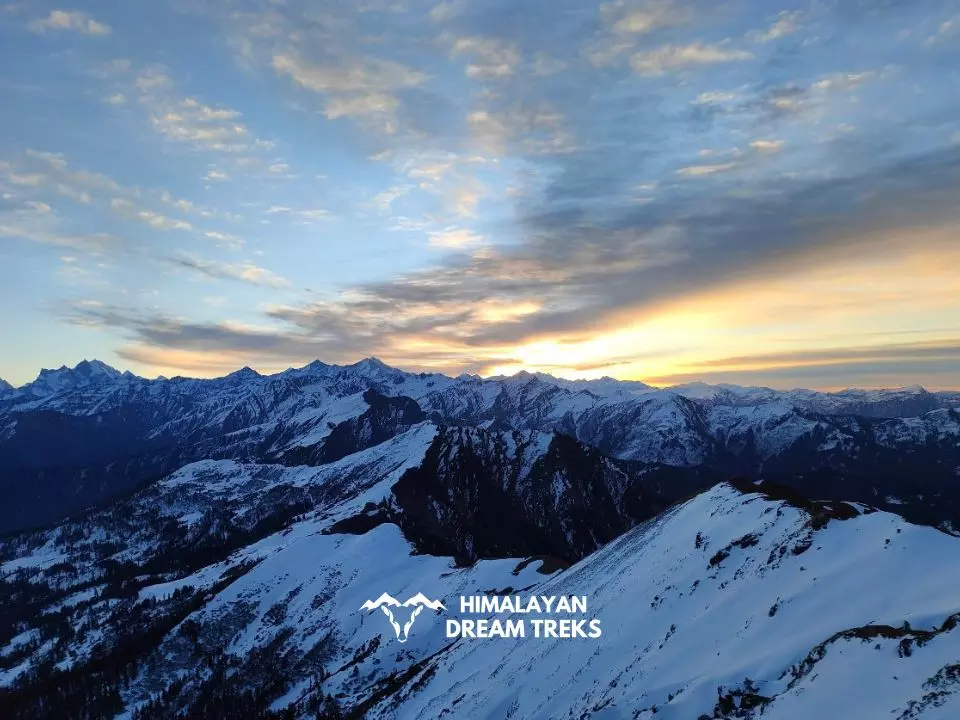
Kedarkantha: Where Winter Turns the Himalayas Into a Dreamscape
The Himalayas have always been a destination for nature lovers, adventure seekers, and those looking to escape the city chaos. Among the many peaks and trails, Kedarkantha stands out, especially in winter, when the entire region transforms into a magical snow-covered wonderland. In this article, we will explore why Kedarkantha is a must-visit winter destination, how to plan your trek, what to expect along the way, and tips to make your trip memorable.
Why Kedarkantha is a Winter Paradise
Kedarkantha is located in the Uttarkashi district of Uttarakhand, India. It is part of the Garhwal Himalayas and offers stunning views of snow-capped peaks. During winter, the entire region is blanketed with fresh, white snow, making it look like a scene straight out of a dream.
Unlike some crowded tourist spots, Kedarkantha provides a serene and peaceful environment. The trail takes you through dense forests of Deodar and Pine trees, frozen streams, and traditional villages that add a cultural touch to your adventure.
The quiet surroundings combined with the snowy landscapes make it an ideal place for those looking to connect with nature.
Discover the wonders of nature with Himalayan Dream Treks – a vibrant trekking community with thousands of contributors sharing their experiences every week.
Best Time to Visit Kedarkantha
The best time to visit Kedarkantha is between December and April. During these months, the snow is at its peak, offering excellent trekking conditions. Winter trekking in Kedarkantha is suitable even for beginners because the trails are well-marked and the trek itself is moderate in difficulty.
If you want to experience the most magical view, visiting in January or February is recommended. The temperature is low, but the sky is usually clear, giving breathtaking panoramic views of the surrounding Himalayan peaks.
How to Reach Kedarkantha
Kedarkantha is well-connected to popular towns in Uttarakhand. Here’s a simple guide to reach the base camp:
- By Road: The nearest town is Dehradun, which is about 180 km away. From Dehradun, you can hire a taxi or take a bus to Sankri, the base village for the trek.
- By Air: The nearest airport is Jolly Grant Airport in Dehradun. From there, road travel is necessary to reach Sankri.
- By Train: The closest railway station is also in Dehradun, making it convenient for travelers coming from different parts of India.
Kedarkantha Trek: What to Expect
The Kedarkantha trek is around 20 km long and usually takes 4 to 6 days to complete, depending on your pace. The trek is known for its gentle slopes, making it beginner-friendly. Here’s a breakdown of the trek:
- Day 1 – Arrival at Sankri: Most trekkers start from Sankri, a small village that serves as the base camp. You can rest here and prepare your gear.
- Day 2 – Trek to Juda Ka Talab: The trek begins with a forest trail leading to Juda Ka Talab, a small campsite near a frozen pond. The views of surrounding peaks start becoming visible.
- Day 3 – Trek to Kedarkantha Base Camp: The next day takes you deeper into the forest. You will walk through snow-covered trails, and the excitement builds as you approach the base camp.
- Day 4 – Summit Kedarkantha Peak: The summit day is the highlight of the trek. Starting early in the morning, you climb to 12,500 feet, where you are rewarded with stunning panoramic views of the Himalayas. On a clear day, you can see famous peaks like Swargarohini, Bandarpoonch, and Black Peak.
- Day 5 – Return to Sankri: After enjoying the summit, you descend back to Sankri and conclude the trek with memories of a lifetime.
Wildlife and Nature on the Trek
Kedarkantha is not just about snow and mountains. The region is home to diverse wildlife. Trekkers often spot Himalayan Monal, barking deer, and sometimes even the elusive leopard. The forest is rich with flora, including oak, rhododendron, and deodar trees, which are especially beautiful when covered in snow.
The peaceful environment allows trekkers to enjoy the sounds of nature, from birds chirping to the gentle rustling of snow underfoot.
Tips for Trekking in Kedarkantha
To make your Kedarkantha experience enjoyable and safe, here are some important tips:
- Pack Warm Clothing: Winter temperatures can drop below freezing, so carry thermal wear, gloves, and jackets.
- Footwear: Waterproof trekking boots are essential for walking through snow.
- Stay Hydrated: Even in cold weather, trekking is physically demanding, so drink plenty of water.
- Acclimatize Properly: Though the trek is moderate, give your body time to adjust to higher altitudes.
- Hire a Local Guide: Local guides are familiar with the terrain and can enhance your trekking experience.
- Carry Essentials: Include trekking poles, snacks, first-aid kit, and a headlamp.
Accommodation and Food
In Sankri and along the trekking route, you can find basic guesthouses and campsites. Most treks are organized with meals provided by trekking agencies, which include simple and nutritious food like rice, dal, vegetables, and soups. Staying in campsites under the stars is an unforgettable experience during winter, especially when the snow glistens under the moonlight.
Photography Opportunities
Kedarkantha is a photographer’s dream. Snow-covered trails, frosted trees, and panoramic mountain views offer endless opportunities for stunning photos. Sunrise and sunset at the summit are particularly magical, with the Himalayan peaks glowing in shades of orange and pink. Even your candid moments along the trail will make your photo album look incredible.
Conclusion
Kedarkantha in winter is truly a dreamlike destination. It combines the thrill of trekking with the beauty of the snow-covered Himalayas, making it perfect for adventure lovers, nature enthusiasts, and anyone looking to escape the city life. From serene forests to breathtaking summit views, every moment spent here is unforgettable.
Whether you are a beginner or an experienced trekker, Kedarkantha promises a safe, enjoyable, and magical winter trekking experience. So pack your bags, lace up your boots, and head to Kedarkantha where winter turns the Himalayas into a true dreamscape.