Joint Replacement in India: Advanced Implant Materials and Their Impact
When joint pain continues over a long period, even simple movements like walking, climbing stairs, or standing can become uncomfortable.
Many people experience joint damage due to aging, injury, or conditions such as osteoarthritis, and may begin exploring treatment when non-surgical options no longer provide relief.
Today, joint replacement in India is supported by advances in implant materials and surgical techniques, helping patients regain mobility with greater confidence.
Understanding these developments helps patients feel more informed and prepared when considering treatment options.
What Happens During a Joint Replacement Procedure?
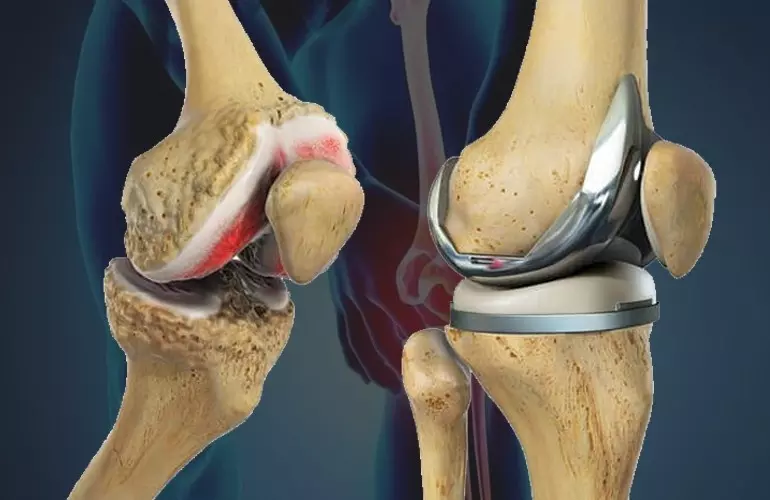
Joint replacement surgery removes damaged cartilage and bone and replaces them with artificial components designed to restore smooth movement and stability.
- Common Joints: The procedure is frequently performed on the knee, hip, and shoulder joints.
- Surgical Planning: Surgeons plan each step based on the patient’s anatomy and overall health.
- Removal of Damaged Tissue: Worn cartilage and bone are carefully removed during surgery.
- Implant Placement: Artificial components are positioned to recreate natural joint movement.
The overall goal is to improve mobility, reduce discomfort, and support a better quality of life after recovery.
Types of Advanced Implant Materials Used Today
Modern joint replacement relies on materials designed to withstand regular movement and reduce wear over time. These materials are selected based on strength, compatibility, and long-term performance.
- Metal Alloys: Materials such as titanium and cobalt-chromium provide strong support and help joints bear body weight.
- Ceramic Surfaces: Ceramic components create smooth surfaces that reduce friction during movement.
- Polyethylene Liners: Highly cross-linked polyethylene offers improved durability and lower wear than earlier plastics.
These materials work together within the implant to support stable and smooth joint function.
How Modern Materials Improve Implant Performance
Modern implant materials play an important role in improving long-term joint performance and reliability. They are designed to enhance durability, reduce wear, and support smoother movement.
- Reduced Friction: Lower friction between joint surfaces supports smoother daily movement and improved comfort.
- Higher Strength: Stronger materials provide stability, especially in weight-bearing joints like the hip and knee.
- Longer Lifespan: Improved durability helps implants function effectively for many years.
These material advancements contribute to more dependable implants and help patients regain mobility with greater confidence over the long term.
Impact on Patient Experience and Recovery
Advanced implant materials can influence how patients experience recovery after surgery. Materials that reduce wear and friction often support better movement during the rehabilitation phase.
Patients may find it easier to regain mobility as healing progresses. Improved joint function can help individuals return to routine activities more easily.
While recovery timelines vary, structured rehabilitation programmes play an important role in restoring strength and flexibility.
Safety and Compatibility with the Human Body
Safety remains an important consideration in joint replacement procedures. Modern implant materials are designed to be biocompatible, helping reduce the risk of adverse reactions.
Biocompatible materials support better integration with surrounding bone and tissues. This contributes to implant stability and long-term performance. Careful selection of materials also helps minimise complications related to wear or sensitivity.
Role of Medical Expertise and Technology in India
Medical expertise and advanced technology together play a vital role in the success of joint replacement procedures.
- Accurate Diagnosis: Detailed evaluation helps specialists understand the patient’s condition and plan treatment effectively.
- Advanced Imaging: Modern imaging and planning tools support precision during surgery.
- Personalised Planning: Specialists choose suitable implants based on individual needs to improve outcomes.
Together, these elements support safer procedures, improved accuracy, and more reliable recovery outcomes for patients undergoing joint replacement.
Read: Top Orthopedic Treatments Offered at Ginni Devi Hospital,
What Patients Should Consider Before Surgery?
Before undergoing joint replacement, patients should take time to understand the procedure and evaluate their suitability for it. A careful approach helps ensure that the decision is well-informed and appropriate for their condition.
- Medical Evaluation: Doctors assess joint damage and overall health before planning treatment.
- Suitability Assessment: Specialists confirm whether joint replacement fits the patient’s lifestyle and mobility needs.
- Specialist Discussion: Consultations help patients understand treatment plans, recovery expectations, and possible outcomes.
These considerations help patients prepare for surgery and understand the recovery process.
Conclusion
Joint replacement has become a dependable option for individuals experiencing persistent joint discomfort and reduced mobility.
Improvements in implant materials have contributed to better durability, smoother movement, and more consistent outcomes. These advancements have enabled patients to regain function and improve their quality of life.
With ongoing developments, joint replacement in India continues to offer improved treatment experiences. Understanding available options and seeking timely medical guidance can help individuals make informed decisions about their care and recovery journey.