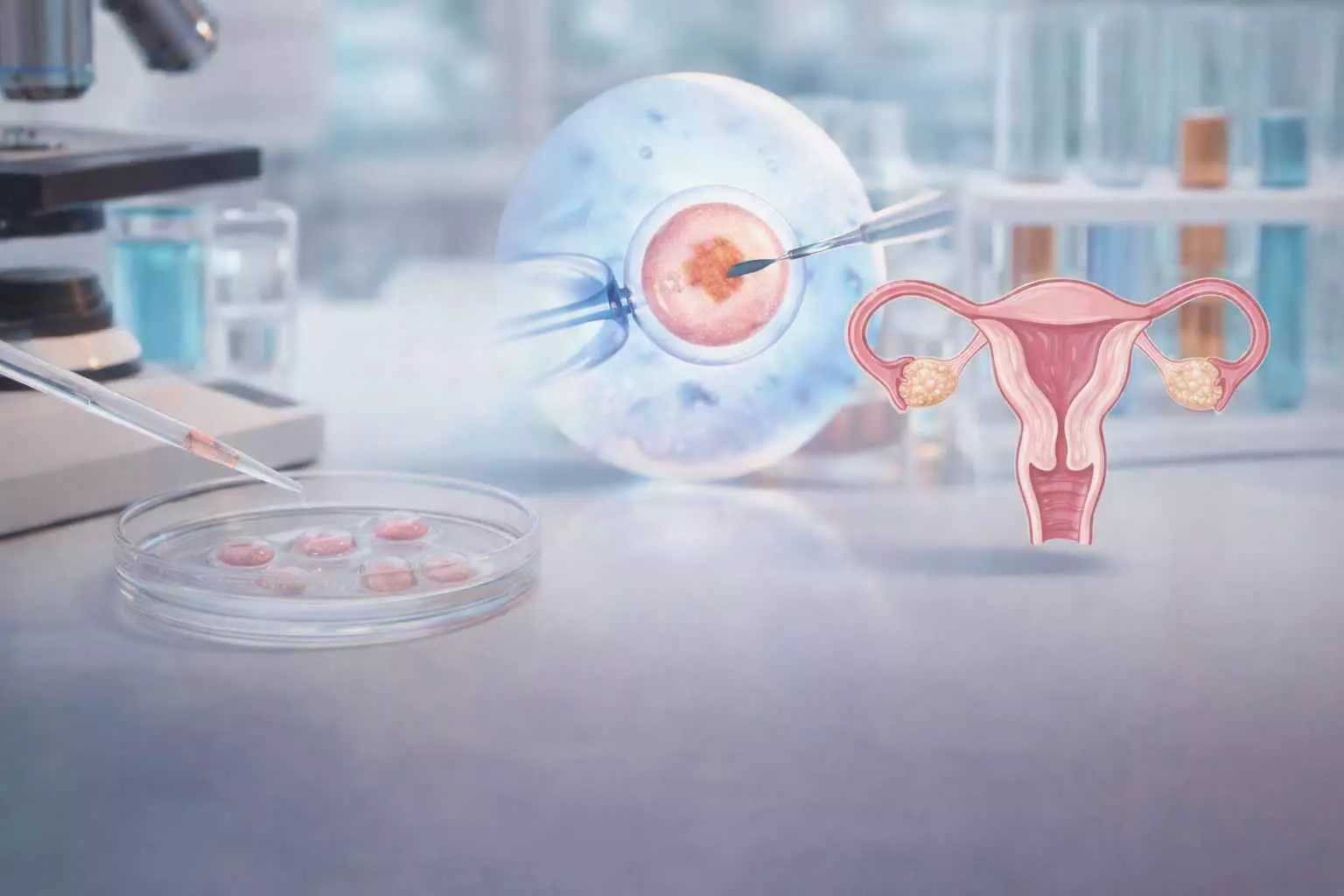
IVF and Vitamin D: Why Deficiency Undermines Fertility
Vitamin D occupies a unique position in the landscape of nutritional factors that influence IVF outcomes.
It is simultaneously the most prevalent nutritional deficiency in the global population, the micronutrient with one of the most consistent associations with IVF success rates in the clinical literature, and the most completely and rapidly correctable of all the nutritional variables that affect fertility biology.
Yet despite this combination of clinical significance and practical accessibility, vitamin D status is frequently not assessed before IVF begins, and the majority of patients who enter treatment with significant deficiency do so without knowing that their levels are suboptimal.
In India, where dietary vitamin D intake is limited and where sun exposure patterns, clothing practices, and skin pigmentation all affect cutaneous vitamin D synthesis, deficiency is not a marginal concern affecting a small proportion of the population.
Research has found deficiency or insufficiency in fifty to ninety percent of Indian adults depending on the population studied and the threshold applied.
For IVF patients, this means that the majority of couples beginning fertility treatment are doing so with a vitamin D status that may be silently impairing the very biological processes their treatment depends on.
Understanding what vitamin D actually does in the reproductive system, what the clinical evidence shows about its relationship to IVF outcomes, how to assess your status accurately, and how to correct deficiency before your cycle begins gives you a complete and actionable picture of one of the most practically impactful and most consistently underattended nutritional aspects of IVF preparation.
Vitamin D as a Hormone, Not Just a Vitamin
The classification of vitamin D as a vitamin is historically convenient but biologically misleading.
Unlike true vitamins that must be obtained entirely from dietary sources, vitamin D is synthesised endogenously in the skin when ultraviolet B radiation converts 7-dehydrocholesterol into previtamin D3, which is then converted to vitamin D3 in the skin and subsequently to its active hormonal form 1,25-dihydroxyvitamin D3, also called calcitriol, through sequential hydroxylation steps in the liver and kidneys.
In its active hormonal form, vitamin D functions through a nuclear receptor, the vitamin D receptor, that regulates the transcription of over 1,000 genes across virtually every tissue in the body.
This extensive genomic influence, which goes far beyond the calcium and bone metabolism that vitamin D is most popularly associated with, is what makes vitamin D relevant to reproductive biology.
The vitamin D receptor is expressed in the ovary, the uterus, the endometrium, the placenta, and the sperm, and the genes regulated by vitamin D signalling in these tissues include many that are directly involved in follicular development, endometrial receptivity, immune regulation, and early placentation.
This hormonal rather than nutritional framework for understanding vitamin D explains why deficiency produces such wide-ranging biological consequences and why optimising vitamin D status before IVF is a fundamentally different intervention from merely correcting a nutritional deficiency.
It is the restoration of an endocrine signal whose deficiency impairs gene expression patterns in reproductive tissues in ways that conventional fertility investigations do not directly reveal.
How Vitamin D Influences Ovarian Function and Egg Quality
The ovarian follicle is one of the most vitamin D-responsive tissues in the female reproductive system. Vitamin D receptors are expressed in granulosa cells, theca cells, and oocytes, and the active vitamin D metabolite directly regulates the hormonal steroidogenesis and paracrine signalling that governs follicular development and egg maturation.
In granulosa cells, vitamin D stimulates the expression of enzymes involved in progesterone and estrogen biosynthesis, enhances the response to FSH stimulation, and promotes the anti-apoptotic signalling that sustains granulosa cell survival throughout the extended follicular development period.
These effects mean that vitamin D adequacy directly supports the granulosa cell function that maintains the follicular microenvironment in which oocyte maturation occurs.
Research examining follicular fluid vitamin D concentrations has found positive associations between higher follicular fluid vitamin D levels and multiple markers of oocyte and embryo quality including higher fertilisation rates, better blastocyst development rates, and higher proportions of top-quality embryos.
A study examining follicular fluid collected at egg retrieval found significantly higher blastocyst formation rates in women with follicular fluid vitamin D levels in the highest compared to the lowest quartile, suggesting that the vitamin D environment surrounding developing eggs during their final maturation phase directly influences their developmental competence.
AMH, the ovarian reserve marker discussed in the ovarian reserve testing guide, is itself regulated by vitamin D through direct effects on AMH gene expression in granulosa cells.
Research has found positive correlations between serum vitamin D levels and AMH concentrations in women with both normal and diminished ovarian reserve, suggesting that vitamin D sufficiency may support the AMH production that reflects follicle pool health.
This relationship provides a potential mechanism through which vitamin D optimisation might support ovarian reserve function in women with borderline or low AMH.
Vitamin D and Endometrial Receptivity
The endometrium is one of the most vitamin D-sensitive tissues in the reproductive system, and vitamin D's influence on endometrial gene expression patterns is directly relevant to the implantation window biology that IVF transfer success depends on.
Vitamin D regulates the expression of homeobox genes in the endometrium, particularly HOXA10 and HOXA11, which are among the most important transcriptional regulators of endometrial receptivity.
These genes govern the expression of multiple downstream targets including the integrin molecules, pinopodes, and immune regulatory factors that constitute the molecular signature of the implantation window.
Vitamin D deficiency reduces HOXA10 and HOXA11 expression in endometrial tissue in ways that impair the molecular preparation of the endometrium for embryo reception.
Endometrial thickness, a parameter that correlates with implantation probability as discussed in the endometrial thickness guide, is associated with vitamin D status in some research, with women who have adequate vitamin D levels showing better endometrial development in response to estrogen stimulation than those who are deficient.
While this association requires further confirmation, the vitamin D regulation of endometrial estrogen receptor expression that has been identified in laboratory research provides a biological mechanism through which vitamin D deficiency could impair the endometrial response to exogenous estrogen preparation in frozen embryo transfer cycles.
The endometrial immune environment that supports implantation, characterised by the regulatory Th2-dominant cytokine profile and adequate natural killer cell tolerogenicity discussed in the immune testing guide, is also directly regulated by vitamin D.
Vitamin D is one of the most potent endogenous modulators of immune function, promoting regulatory T cell differentiation, suppressing Th1 pro-inflammatory cytokine production, and reducing natural killer cell cytotoxicity through its effects on immune cell vitamin D receptors. Vitamin D deficiency therefore impairs the endometrial immune environment for implantation through the same immune pathways that are implicated in recurrent implantation failure and that NK cell-directed treatments attempt to address pharmacologically.
What the Clinical Evidence Shows About Vitamin D and IVF
The clinical evidence connecting vitamin D status to IVF outcomes is among the most consistent in the nutritional fertility literature, with multiple large studies across different patient populations and fertility centres reporting associations between vitamin D adequacy and improved IVF clinical pregnancy rates and live birth rates.
A landmark systematic review and meta-analysis published in a leading reproductive medicine journal examined the relationship between vitamin D status and IVF outcomes across multiple clinical studies involving thousands of IVF cycles.
The analysis found that women with sufficient vitamin D levels, typically defined as serum 25-hydroxyvitamin D above 20 ng/mL or 50 nmol/L, had significantly higher clinical pregnancy rates and ongoing pregnancy rates than those who were vitamin D deficient.
The magnitude of the difference was clinically meaningful, with sufficient vitamin D status associated with substantially improved odds of clinical pregnancy across the pooled study population.
Several individual studies have reported particularly striking associations. A large prospective cohort study at
a major fertility centre found that women in the highest vitamin D quartile had nearly double the live birth rate per transfer compared to those in the lowest quartile, after adjustment for age and other potential confounders.
Another study specifically examining frozen embryo transfer outcomes found that vitamin D sufficiency was associated with a forty percent higher clinical pregnancy rate compared to deficiency in the same population.
The consistency of these associations across different clinical settings, patient populations, and analytical approaches provides the kind of epidemiological weight that supports clinical action rather than waiting for large randomised controlled trials before advising supplementation.
The evidence is not yet from a definitive randomised trial, but the biological plausibility of the multiple mechanisms described above, combined with the consistent direction and meaningful magnitude of the observational evidence and the safety and low cost of correction, provides a compelling rationale for ensuring vitamin D sufficiency before IVF.
Read: IVF Treatment in India: A Journey of Hope and Possibility
Vitamin D and Male Fertility
The male partner's vitamin D status is as clinically relevant to IVF preparation as the female partner's, and the evidence connecting vitamin D to sperm quality provides equally compelling reasons for assessing and optimising vitamin D in both partners before a cycle begins.
Vitamin D receptors are expressed in mature human sperm and in the Sertoli cells and Leydig cells of the testis, and vitamin D signalling has been found to regulate sperm motility, acrosome reaction capacity, and calcium signalling within sperm cells through non-genomic rapid pathways in addition to its classical genomic effects in testicular somatic cells.
Research examining the relationship between serum vitamin D levels and semen parameters has found positive associations between vitamin D sufficiency and progressive sperm motility, normal sperm morphology, and total motile sperm count in fertile and infertile men.
A large cross-sectional study found that vitamin D-deficient men had significantly lower proportions of progressive motile sperm and lower normal morphology percentages than vitamin D-sufficient men, with the association persisting after adjustment for age, BMI, and other potential confounders.
Testosterone production by Leydig cells is directly stimulated by vitamin D through vitamin D receptor-mediated effects on testosterone biosynthesis gene expression in testicular cells.
Research has found positive correlations between serum vitamin D and total testosterone levels in men, suggesting that vitamin D sufficiency supports the intratesticular testosterone environment that drives normal spermatogenesis.
Assessing Vitamin D Status: The Right Test and the Right Threshold
Vitamin D status is assessed through measurement of 25-hydroxyvitamin D in the blood, the circulating storage form that reflects the total body vitamin D supply from both dietary intake and cutaneous synthesis. This is distinct from the active 1,25-dihydroxyvitamin D form, which is tightly regulated and does not accurately reflect body stores.
The specific threshold that constitutes vitamin D sufficiency remains a subject of scientific discussion, with different professional bodies applying different definitions. The conventional medical threshold for deficiency is below 20 ng/mL or 50 nmol/L, with insufficiency defined as 20 to 30 ng/mL and sufficiency as above 30 ng/mL.
However, the fertility medicine evidence suggests that IVF outcomes continue to improve at vitamin D levels above the conventional sufficiency threshold, with some studies finding optimal reproductive outcomes at levels above 40 ng/mL.
A practical approach for IVF preparation is to target a 25-hydroxyvitamin D level above 40 ng/mL or 100 nmol/L, which represents a more conservative target than the conventional minimum sufficiency threshold and is consistent with the levels associated with the best IVF outcomes in the available research.
The timing of vitamin D testing relative to the IVF cycle is important because the response to supplementation is gradual, with significant correction of deficiency typically requiring eight to twelve weeks of supplementation at therapeutic doses.
Testing vitamin D status should therefore occur three to four months before the planned cycle begins, allowing adequate time for correction to be achieved and confirmed before stimulation starts.
Correcting Vitamin D Deficiency Before IVF
Vitamin D supplementation is the most reliable and most controllable approach to correcting deficiency, with sun exposure alone being insufficient in most clinical situations where significant deficiency is present and where time pressure exists before an IVF cycle.
The supplementation dose required to achieve and maintain vitamin D sufficiency depends on the baseline level and the individual's response to supplementation, which varies significantly between individuals due to differences in vitamin D absorption, body composition, baseline synthesis rate, and vitamin D binding protein levels.
For significant deficiency below 15 ng/mL, loading doses of 4,000 to 6,000 IU daily for the first eight to twelve weeks, followed by maintenance doses of 2,000 to 3,000 IU daily, are typically required to achieve target levels within the IVF preparation window. For mild deficiency or insufficiency between 15 and 30 ng/mL, doses of 2,000 to 4,000 IU daily are generally sufficient to achieve adequacy within the preparation period.
Vitamin D3, cholecalciferol, is the preferred supplementation form because it is the same form produced in the skin and is more effective at raising blood levels than vitamin D2, ergocalciferol.
Vitamin D3 is available in various formulations including oil-based capsules that enhance absorption, and at doses within the ranges described above has an excellent safety profile with very wide therapeutic margins.
Co-administration of magnesium, which is required for the hepatic and renal hydroxylation steps that convert vitamin D3 to its active form, is worth considering for patients with potential magnesium insufficiency from inadequate dietary intake.
Magnesium deficiency can limit the conversion of supplemented vitamin D to its active hormonal form in ways that produce adequate blood levels of 25-hydroxyvitamin D without achieving optimal active metabolite concentrations in target tissues.
Repeat testing of 25-hydroxyvitamin D approximately six to eight weeks after initiating supplementation allows confirmation that the target level is being achieved and dose adjustment if the response is lower than anticipated before the IVF cycle approaches.
Connecting with an experienced Fertility Clinic in Jaipur that includes vitamin D assessment as a standard component of its pre-cycle hormonal workup, provides personalised
supplementation guidance based on measured levels rather than generic population recommendations, and confirms adequate correction before stimulation begins ensures that vitamin D optimisation is properly integrated into your preparation rather than left as an afterthought that is addressed too late to influence the cycle that matters.
Vitamin D During the IVF Cycle and in Early Pregnancy
Once adequate vitamin D levels have been established during the preparation period, maintaining them through the stimulation cycle, the transfer cycle, and into early pregnancy is important because the biological roles of vitamin D in endometrial receptivity, immune regulation, and early placentation continue throughout these phases.
Supplementation should be continued through the stimulation phase and the luteal phase at the maintenance dose established during preparation.
The hormonal environment of ovarian stimulation does not significantly alter vitamin D metabolism in ways that require dose adjustment, and continued supplementation ensures that the follicular fluid and endometrial environments have consistent vitamin D availability throughout the most critical biological phases of treatment.
In early pregnancy, vitamin D plays essential roles in placental development, immune tolerance, and fetal skeletal development that make continued supplementation clinically important.
Standard prenatal supplements include vitamin D but frequently at doses below those required to maintain the higher levels targeted in IVF preparation, and specific supplementation may need to continue alongside the prenatal supplement to maintain target levels throughout the first trimester.
Final Thoughts
Vitamin D deficiency is the most prevalent and most completely correctable of all the nutritional factors associated with IVF outcomes. Its biological influence on follicular development, egg quality, endometrial receptivity,
immune regulation, and sperm function operates through specific and well-characterised mechanisms that connect blood levels measured in a simple test to the cellular events that determine whether an embryo implants and a pregnancy continues.
Testing is straightforward. Correction is straightforward. The preparation window before IVF provides precisely the time required for adequate correction. And the evidence supporting the clinical benefit of vitamin D sufficiency for IVF outcomes is among the most consistent in the nutritional fertility literature.
Test your level. Know your number. Correct it if it needs correction. And enter your IVF cycle with the endocrine foundation that one of the most hormonally active molecules in reproductive biology is designed to
provide.
For expert pre-cycle nutritional assessment including vitamin D status measurement and personalised supplementation guidance, integrated within a comprehensive IVF preparation
programme that addresses every correctable biological variable before your cycle begins, a trusted IVF Hospital in Jaipur with genuine expertise in reproductive nutrition and evidence-based preparation care gives your IVF cycle the most completely optimised biological environment it can have.
Disclaimer: This article is intended for informational purposes only and does not constitute medical advice. Please consult a qualified fertility specialist before beginning any supplementation programme, as individual vitamin D requirements vary and supplementation should be guided by measured blood levels.