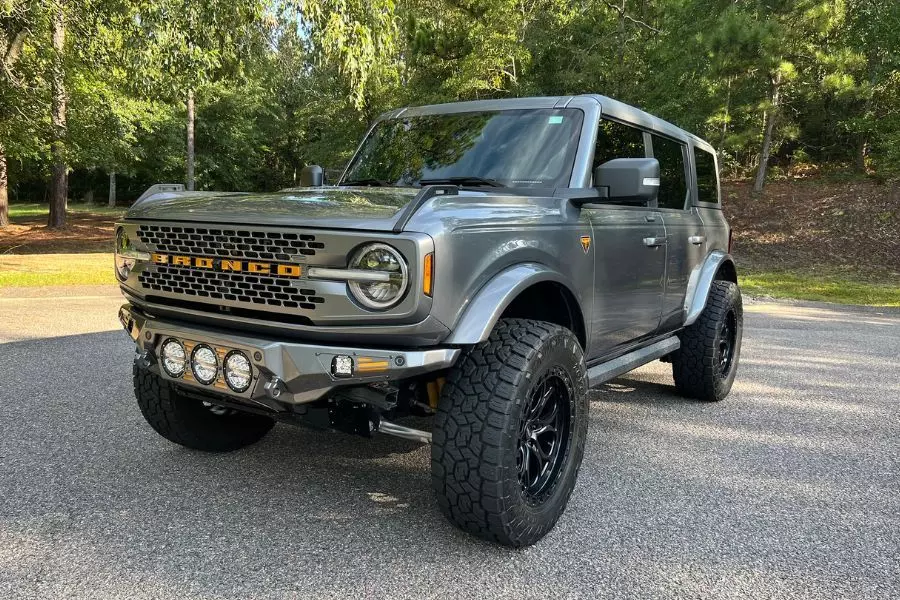
Is Upgrading to an Aftermarket Bumper Actually Worth the Cost?
Bumpers built tough are catching on with truck folks who want more than just looks. Not every change adds muscle, yet these front ends handle dents better when things get rough.
Drivers notice a difference not only in how the ride feels but also in how it holds up over time. What once seemed like extra weight now seems worth it after hitting trail debris.
Strength shows up most when you least expect to need it. Tougher frames around the nose mean less worry near rocky paths.
Most people get by just fine with stock bumpers - at first. Then winter storms hit, trails turn rocky, or a job demands more grit than usual. Suddenly, those factory parts feel flimsy under pressure.
Hauling heavy loads begins exposing weak points nobody noticed before. Because of this, many owners start researching aftermarket bumpers to determine whether the added protection and functionality justify the investment.
Some folks care most about how their truck looks when upgrading. Yet many prioritize toughness, staying safe, or handling rough terrain instead.
The value of tougher bumpers becomes clear only when matched to daily needs and where they drive. Realizing what these parts actually do guides choices better than guesses ever could.

Factory Bumpers Can Only Handle So Much
Most newer trucks have bumpers put on during building that aim to keep people safe while looking good and saving money.
These parts work fine when driving daily or doing small jobs around town instead of heavy labor. Strength often falls short once conditions get tough or loads become heavier than usual.
Most factory bumpers are built light, aiming to save fuel and cut production expenses. When hit at slow speeds or dragged over jagged ground, they tend to buckle, split, or warp - unlike tougher models made for strain.
Those who drive often on broken stone or job sites see firsthand how weak stock bumpers act when pushed hard.
Folks behind the wheel tend to dig into options when they’re based near Colorado Springs - rugged gear becomes a priority since seasons shift hard here, wearing down rigs faster than usual.
Weather throws curveballs nearly every month, so tougher parts aren’t just handy - they stick around longer once installed.
Extra protection matters
Built tough, new bumpers guard better. When trouble comes - like gravel, bumps, or thick scrub - they hold firm. Hitting a hidden rock? Less worry. Rough trails beat older parts fast; these take longer to break. Strength shows when the path turns wild.
Out on backroads, a solid bumper makes all the difference when branches or rocks come too close. Bumping along job sites means constant scrapes - thin metal won’t last long under that kind of wear.
Trail crossings toss up stones; ordinary fronts crack after repeated hits. Hauling gear through rough spots demands something tougher than what comes installed. Weathered terrain tests every part, especially the front edge taking the brunt.
When roads fade into dirt, protection stops being optional.
Bumpers built tougher guard key parts like headlights, grilles, or radiators. When hits happen at slow speeds, or when rocks and ruts show up, that toughness can mean less money spent fixing things.
Bumpers added after purchase often feel like a smart move once drivers face rough roads. When the path gets tough, having extra shield up front or at the back makes a difference.
Some find comfort simply knowing their rig can take more punishment. Tough jobs seem less risky when metal guards stand ready. Protection matters most exactly when it is needed most.
Off road enthusiasts benefit most
When you drive off-road, regular bumpers might struggle to keep up. Trails with sharp inclines test every part of your truck. Bumpy ground keeps shaking things loose.
Mud sticks where it does not belong. Rocks below can hit hard without warning. Each surface brings its own kind of pressure.
Starting strong up front, heavy-duty bumpers come packed with traits built just for rough terrain work. Hitting tough slopes? Better angles at the front make climbing easier without scraping.
Built from thicker steel, these parts take hits much better than what comes stock on most trucks. Hidden inside some designs are spots for gear like winches, anchors for pulling out of trouble, plus extra lights that turn night into day when roads vanish.
Bumpers get stronger because trail drivers face rough spots far from help. When things go wrong out there, having gear that holds up makes a big difference. Tougher setups mean fewer risks if the truck gets stuck or hurt on remote paths.
Finding gear in Colorado Springs? Most folks eyeing truck add-ons go straight for rugged touches - mountain trails and backcountry paths shape what they need.
Terrain here pushes choices toward tough builds, less about looks, more about grip and ground clearance. Outdoor trips aren’t just common; they steer decisions. Recreational drives wind through dirt and rock, so mods follow suit.
Appearance and customization matter too
Bumpers shape how trucks are seen, even when function comes first. Though practicality matters most, looks still guide choices made by drivers. Rugged styling often follows from solid construction, shifting the vehicle's presence on roads.
From bold grilles to rugged frames - what you choose shapes how the truck behaves on uneven terrain. Where one driver likes clean lines and minimal trim, another reaches for thick steel bumpers lit by sharp beams at dusk.
Out back, some bumpers carry grooved surfaces, tough paint jobs, shaped edges - features that line up well with raised suspensions and giant rims. Instead of looking bare, those additions give heavier frames a sense of direction where stock units often seem too light.
Bumpers bought after the original can change how a truck looks more than expected, catching attention even when the vehicle already carries extras. Most who check them out start seeing value just in the new appearance they bring along.
Long Term Durability May Reduce Costs
For some drivers, tougher bumpers feel less like spending and more like saving over time. These parts usually handle bumps, corrosion, and daily use much better than stock ones do.
Built tough, steel or heavy-grade aluminum holds up when pushed hard, lasting years without much care. When roads turn rough or storms roll in, those behind the wheel find their repair bills shrinking - stronger bumpers take hits without giving way.
When snow falls and temperatures shift, rust protection matters more than ever. Finishes that block water, guard against salty roads, plus stand up to sunlight help things last longer.
Besides snow-heavy winters, drivers here need gear that handles blazing summers too. Tough conditions mean parts must survive constant change. When temperatures swing wildly, only sturdy add-ons hold up.
Many pick extras built to resist sun damage over time. Because weather hits hard, reliability matters most. Through months of heat and ice, performance stays key. Even when parked outside daily, quality lasts longer.
Installation and Weight Factors
Most factory parts are lighter, so swapping them out might change how the ride feels. When new bumpers go on, their extra bulk could nudge down gas mileage a bit.
Truck folks ought to think about fit and heft before making changes. Heavier units often ask more from the suspension over time.
Out on the road, a well-placed bumper makes a difference when it fits just right. Trucks today often come packed with backup alerts, video eyes, or smart shields tucked inside original bumpers - fitting new ones means checking how they talk to these parts. A careful hand at setup keeps everything locked down, lined up, tied into power without risk.
Most trucks built for pulling trailers or crawling rough trails take extra bumper weight without issue. Smaller cars meant for city commutes often struggle when loaded down. What matters is whether the vehicle's job matches its load.
Even so, plenty of drivers go for aftermarket bumpers, since tougher build and better protection make up for the slight increase in weight.
Read: Top 10 Auto Selling Methods Shaping the Future of Car
Everyday drivers still see practical benefits
Most people think bumpers only matter for rugged terrain fans or work vehicles. Yet regular commuters gain too - tougher shields mean less damage over time.
What changes is how well the front handles small crashes. Protection isn’t just for extreme cases anymore. Even city driving brings surprises.
A sturdier build helps when parking gets tight. Function follows form once durability improves. Small bumps happen daily without notice until they add up.
Stronger materials handle those moments quietly. Driving habits shift slightly when confidence in the vehicle grows.
Out on the streets, a loose rock or sudden stop can change everything fast. Built tougher, these bumpers handle bumps in the day without flinching, making each trip feel more solid under pressure.
Bumpers built tougher mean less worry for those hauling trailers or moving expensive loads. When the road turns rough, having solid protection makes all the difference.
Trucks ready for short trips into the wild perform better with armor that lasts. Strength under stress shows up most when it’s least expected.
Starting with truck accessories in Colorado Springs, some drivers find sturdier bumpers make chores easier while slowly building trust in their ride.
Conclusion
A tougher bumper isn’t always needed, though plenty of drivers choose one when they want more strength and personal touches. Stock versions handle everyday tasks just fine - still, rough jobs tend to reveal weak points after a while.
Built tough, bumpers handle rough trails better while shrugging off dents, giving trucks a bolder look people tend to like. When hauling gear, chasing adventures, or just commuting, solid upgrades often make drivers feel more at ease on the road.
Drivers now dig into aftermarket bumpers - alongside checking out extra gear in Colorado Springs. Tough terrain pushes them toward upgrades meant to last.
These choices aim at strength, daily usefulness, staying strong over time. Some start browsing online; others hit local shops first. Each path leads to builds ready for rough roads without losing worth down the line.
FAQs
Do aftermarket bumpers improve vehicle protection?
Firm bumpers hold up better when hit hard, face flying rocks, or endure bumpy roads than most original ones. Though built tough, they react differently depending on speed and angle of collision.
Are aftermarket bumpers good for off-road driving?
Built tough, some modern bumpers handle rough trails while carrying winches, lights, plus tools for getting unstuck. Their shape helps mount extra equipment right where it's needed.
Will a heavy-duty bumper affect fuel economy?
Bumpers that weigh more can lower gas mileage a bit - extra mass plays a role, yet the difference often stays minor.
How long do aftermarket bumpers typically last?
Built tough, good bumpers withstand time when looked after. Rust resistance helps them go long without wearing out. Care keeps their strength through seasons of use.