Is there an alternative to avoid tooth extraction?
Removal of a tooth is normally advised by dentists when it is highly damaged or infected, or cannot be preserved with just normal care.
When the words tooth extraction are mentioned, many people are only worried since they assume that there could be an alternative.
The fact is that dentists usually seek tooth extraction alternatives before finalizing. It would always be best to save a natural tooth since this would keep the mouth well chewed, strong in the jaw, and generally healthy.
This recommendation can be caused by several conditions, including deep decay, severe gum disease, or trauma. But the dentistry of today has also advanced a great deal, and what used to have to be removed can frequently be treated.
Other alternatives, such as root canal therapy or restorative treatment, enable the patient to retain their natural teeth longer, thus lessening the need for invasive solutions.
Can a Damaged Tooth Be Saved?
A decayed tooth, in most instances, can be repaired depending on the extent of the structure that is left.
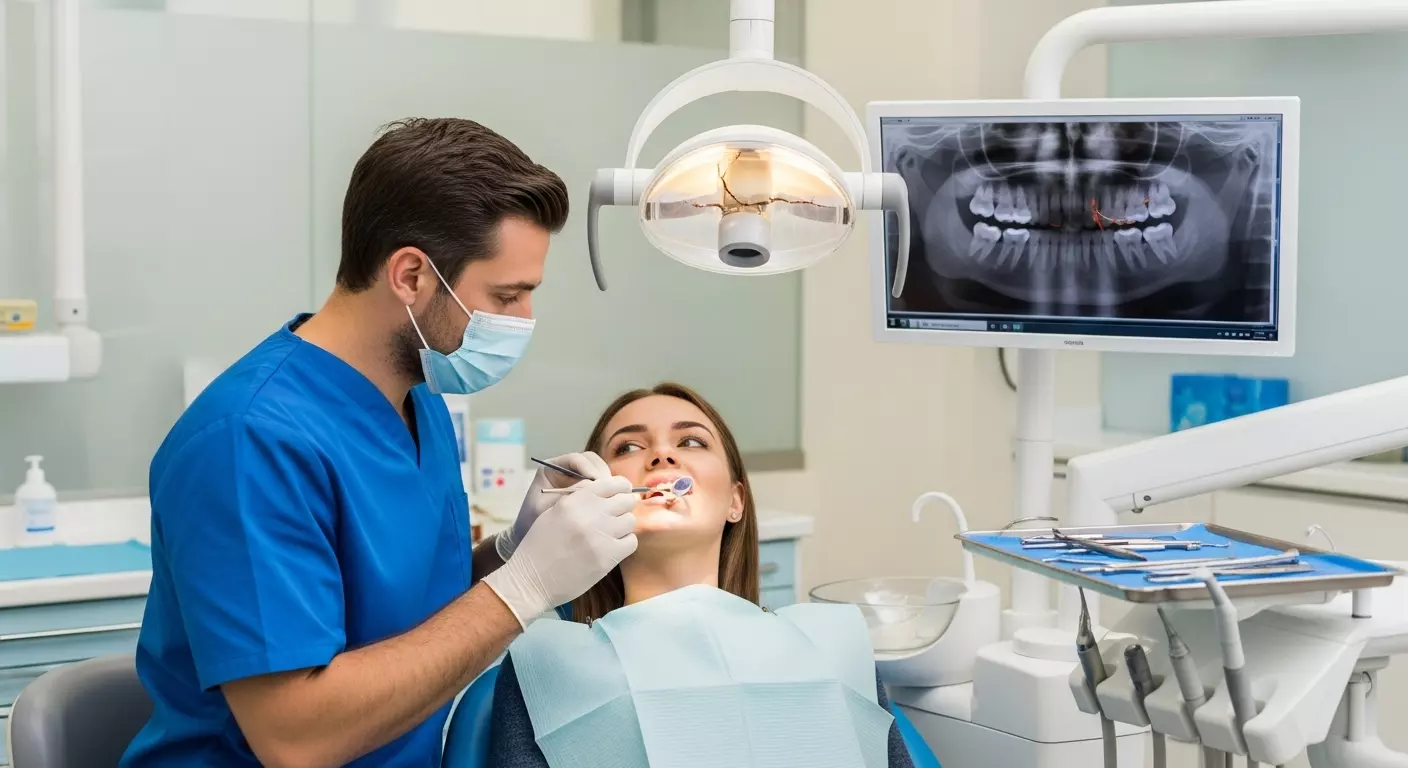
The dentists are meticulous in the examination of the tooth, where the X-rays and clinical assessment are conducted, and the best course of action is determined.
It is here that tooth extraction alternatives are relevant because they aim at helping to save the tooth instead of taking it out.
Root canal treatment is one of the common techniques where the tooth is treated to remove the infection within the tooth, but the outer structure will be retained.
A crown is normally used to cover the tooth after the procedure to restore its strength and function. Not only does it alleviate pain, but it also enables you to keep a natural bite, which is normally lost after having your teeth extracted.
Remedial Treatments That Prevent Extraction
Besides root canals, other restorative treatments are available that can save a tooth. One of the common applications of dental fillings and crowns is in cases where the decay has not extended to the inner pulp.
These techniques will restore the tooth and safeguard it against additional harm. They can make a tooth last many years when coupled with proper oral hygiene.
Periodontal treatment is another treatment that works particularly where gum disease is the primary problem. The gums can be stabilized by deep cleaning procedures and medications, which help to support the tooth once again.
Such strategies underscore the importance of non-extraction options in cases of tooth removal, providing the patient with a chance that extraction is not the solution in all cases.
The Role of Early Diagnosis
Early diagnosis is significant in preventing severe dental operations. By detecting the problems at the initial stage, the treatment is less invasive and easier.
Regular check-ups at the dentist enable the dentist to detect any decay, infection, or gum complications before they become too serious to necessitate the removal of the tooth.
Patients will have an opportunity to use the less painful and cost-effective tooth extraction alternatives by solving problems before they escalate.
Minor infections may be treated, small cavities may be filled, and the health of the gums may be restored before things get worse. This is not only preventive but also enhances general oral health as well.
Lifestyle and Care Habits Matter
Your daily eating routine will greatly determine the health status of your teeth, whether it is maintained or subjected to some complicated therapy.
Regular brushing of teeth, flossing, and restricting intakes of sweet foods can avert most of the dental issues.
The simple measures will minimize the risk of rot and infection, which makes the tooth extraction alternatives more effective in the event of treatment.
The habits of grinding teeth or opening hard objects with them should also be avoided. Such practices might undermine the tooth structure and cause cracks or damage.
When they are taken care of and taken to visit the dentist regularly, the chances of undergoing procedures such as root canal treatment or extraction are very minimal.
Read: How Much Does Dental SEO Cost? A Complete Guide for
When Extraction Becomes Unavoidable?
Even with all the treatments offered, there are cases when it is impossible to save the tooth.
Removal could be the safest procedure in case the tooth was broken too low, below the gum line, or the infection has spread too far. In this situation, dentists will tell us the reasons why other treatments do not work anymore.
The attention at that time is on reestablishing function and appearance by providing replacements such as implants or bridges. Although alternative methods of extracting teeth are always preferred, patient safety and health in the long term precedes all.
This balance will assist patients in making informed decisions without fear. You can also consult experts in your hometown for instance, you can find a reliable dentist by searching for the “best dentist in McKinney”.
Conclusion
Modern dental care tends to allow avoiding the removal of teeth. With fillings and even more sophisticated procedures, a variety of tooth extraction alternatives can be used to save natural teeth and sustain oral health.
The trick is to diagnose early, take good care, and consult a professional whenever any problem occurs.
Being aware and active, patients will have fewer risks of losing a tooth and will be more confident in their decisions related to the dentist. When agreeing on any major procedure, always consult your dentist to get all the available options.