Is Stussy the Original Blueprint for Streetwear Brands?
Streetwear thrives as a cultural juggernaut, blending rebellion, art, and fashion into a global phenomenon. Brands like Supreme, Off-White, and BAPE dominate headlines, but one name often sparks debate as the genre’s pioneer: Stussy. Did this brand, born in the early 1980s, lay the foundation for what streetwear represents today? This question drives exploration into Stussy’s origins, influence, and enduring legacy, examining whether it truly shaped the blueprint for modern streetwear.
The Birth of a Movement
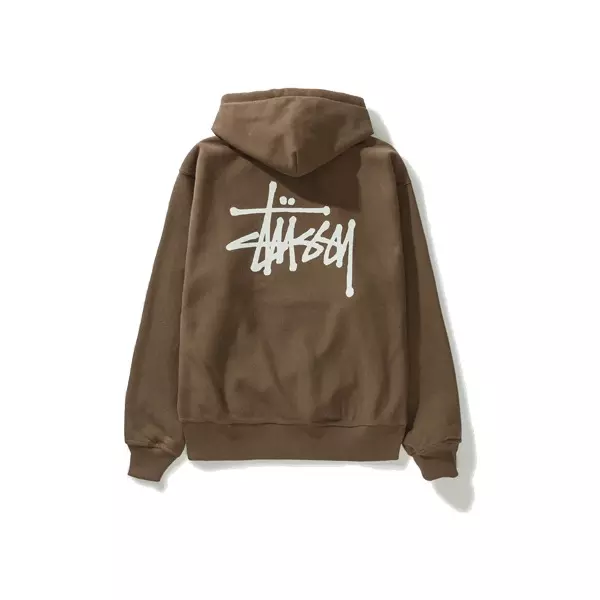
In 1980, Shawn Stussy, a California surfer, started scribbling his surname on handcrafted surfboards. This simple act birthed a visual identity that transcended surf culture. By printing his distinctive logo on T-shirts, Shawn unknowingly ignited a fashion revolution. These early pieces, including the now-iconic Koszulka Stussy (Polish for Stussy T-shirt), blended laid-back coastal vibes with urban edge.
Unlike today’s hype-driven drops, these garments were sold through local surf shops, appealing to a niche crowd of surfers and skaters. Shawn’s approach broke norms. He fused hand-drawn graphics with bold typography, creating a raw, authentic aesthetic.
This DIY ethos resonated deeply, attracting a subculture that craved individuality. By the mid-1980s, the brand expanded beyond surfboards, offering caps, shorts, and jackets. Each piece carried a rebellious spirit, rejecting mainstream fashion’s polish. This authenticity sets this apart, planting seeds for a genre that valued self-expression over conformity.
Defining Streetwear’s Core
Streetwear, at its heart, merges subcultural identities—surf, skate, hip-hop, and punk—into wearable art. Stussy mastered this fusion early on. Its designs drew from California’s relaxed lifestyle while incorporating urban influences like graffiti and music. The Koszulka Stussy became a canvas for bold logos and vibrant graphics, embodying a carefree yet defiant attitude. This blend attracted diverse crowds, from West Coast skaters to East Coast rappers.
Unlike traditional fashion houses, it didn’t rely on runways or elite boutiques. It thrived in skate shops, record stores, and underground scenes. This grassroots approach gave the brand credibility among tastemakers. By the late 1980s, Stussy’s influence spread globally, with flagship stores in Tokyo, London, and New York.
These hubs became cultural epicentres, where creatives swapped ideas and shaped trends. The brand’s ability to bridge subcultures laid a framework that later brands emulated, from A Bathing Ape to Palace.
The Power of Limited Drops
Stussy pioneered a strategy that defines modern streetwear: scarcity. Long before Supreme’s infamous queues, it released limited-edition pieces that sparked frenzy. Its collaborations with artists, musicians, and designers amplified demand. For instance, early partnerships with figures like DJ Milo of The Wild Bunch introduced exclusive Koszulka it designs, blending music and fashion.
These drops created a sense of urgency, turning garments into collector’s items. This scarcity model built a loyal community. Fans hunted for rare pieces, trading stories and building networks. Stussy’s approach contrasted sharply with mass-market brands, which prioritised accessibility. By controlling supply, the brand cultivated desire, a tactic now central to streetwear’s allure. Today, brands like Kith and Yeezy owe much to this strategy, using limited releases to drive hype and exclusivity.
A Global Influence
Stussy’s expansion into international markets cemented its role as a trailblazer. In the late 1980s, Japan embraced the brand, with Tokyo’s youth adopting its aesthetic as a rebellion against conservative norms. Stussy’s stores became cultural landmarks, hosting events that fused fashion, music, and art.
This global reach showcased streetwear’s potential as a universal language, inspiring brands like Neighbourhood and WTAPS to adapt similar vibes.The brand’s ability to resonate across cultures stemmed from its authenticity. Stussy never chased trends; it created them.
Its designs, including the Koszulka Stussy, reflected real subcultures rather than manufactured hype. This authenticity attracted a diverse following, from London’s grime artists to New York’s hip-hop pioneers. By staying rooted in its origins while embracing global influences, it set a precedent for brands aiming to transcend borders.
Collaborations as a Cornerstone
Collaborations define modern streetwear, and Stussy wrote the playbook. In the 1990s, it partnered with brands like Nike and artists like Futura, producing iconic pieces that blended aesthetics seamlessly. These collaborations weren’t mere marketing stunts; they reflected shared values and creative synergy.
A notable example is the Koszulka Stussy created with Nike, featuring bold swooshes alongside Stussy’s signature script. These pieces became instant classics, coveted by collectors. This collaborative spirit influenced how streetwear operates today.
Brands like Supreme and Off-White thrive on high-profile partnerships, from Louis Vuitton to Disney. Stussy’s early experiments proved that collaborations could elevate a brand’s cultural capital, blending street credibility with mainstream appeal. This model remains a cornerstone of the industry, with every major player following suit.
The DIY Ethos Lives On
Stussy’s DIY roots continue to shape its identity. Unlike corporate giants, the brand started as a passion project, driven by Shawn Stussy’s vision. This hands-on approach resonated with a generation that valued creativity over commercialism. The Koszulka, with its hand-drawn logos and bold colours, embodied this ethos, encouraging wearers to express their individuality.
This DIY mentality influenced countless brands. Supreme’s raw graphics, Palace’s skate-inspired designs, and even smaller labels like Golf Wang echo Stussy’s approach. By prioritising authenticity over mass production, Stussy empowered creators to launch their own labels, fostering a wave of independent streetwear brands. This legacy of creative freedom remains a hallmark of the genre.
Challenges to the Blueprint Claim
While Stussy’s influence is undeniable, some argue it wasn’t the sole blueprint. Brands like FUBU and Cross Colours emerged around the same time, shaping hip-hop fashion with equal impact. These labels focused on urban culture, addressing racial and social issues through bold designs.
Unlike Stussy, which leaned on surf and skate roots, these brands spoke directly to marginalised communities, broadening streetwear’s scope. Additionally, Stussy’s early focus on niche markets like surf culture raises questions. Did it truly define streetwear, or did it evolve into the genre alongside others?
Critics point to Supreme, which refined the limited-drop model, as a stronger influence on modern hype culture. Yet, Stussy’s earlier start and global reach give it a unique claim, predating many competitors.
The Enduring Legacy
Stussy’s impact endures in 2025, with its designs still shaping trends. The Koszulka Stussy remains a staple, worn by skaters, artists, and influencers alike. Its stores continue to serve as cultural hubs, hosting events that inspire new generations. The brand’s ability to evolve without losing its core identity sets it apart. While competitors chase fleeting trends, Stussy remains grounded in its origins, blending nostalgia with innovation.
The brand’s influence extends beyond fashion. It shaped how streetwear intersects with music, art, and youth culture. From Kanye West’s Yeezy to Travis Scott’s Cactus Jack, modern streetwear carries traces of Stussy’s DNA. Its emphasis on community, creativity, and authenticity created a template that continues to guide the industry.
The True Blueprint?
Stussy’s journey from a surfboard scribble to a global icon supports its claim as streetwear’s original blueprint. Its DIY ethos, limited drops, and cultural fusion laid the groundwork for a genre that thrives on individuality. The Koszulka Stussy, with its bold graphics and timeless appeal, symbolises this legacy.
While other brands contributed, Stussy’s early vision and global influence set it apart. It didn’t just create fashion; it built a movement that continues to evolve, proving its blueprint remains relevant in 2025.