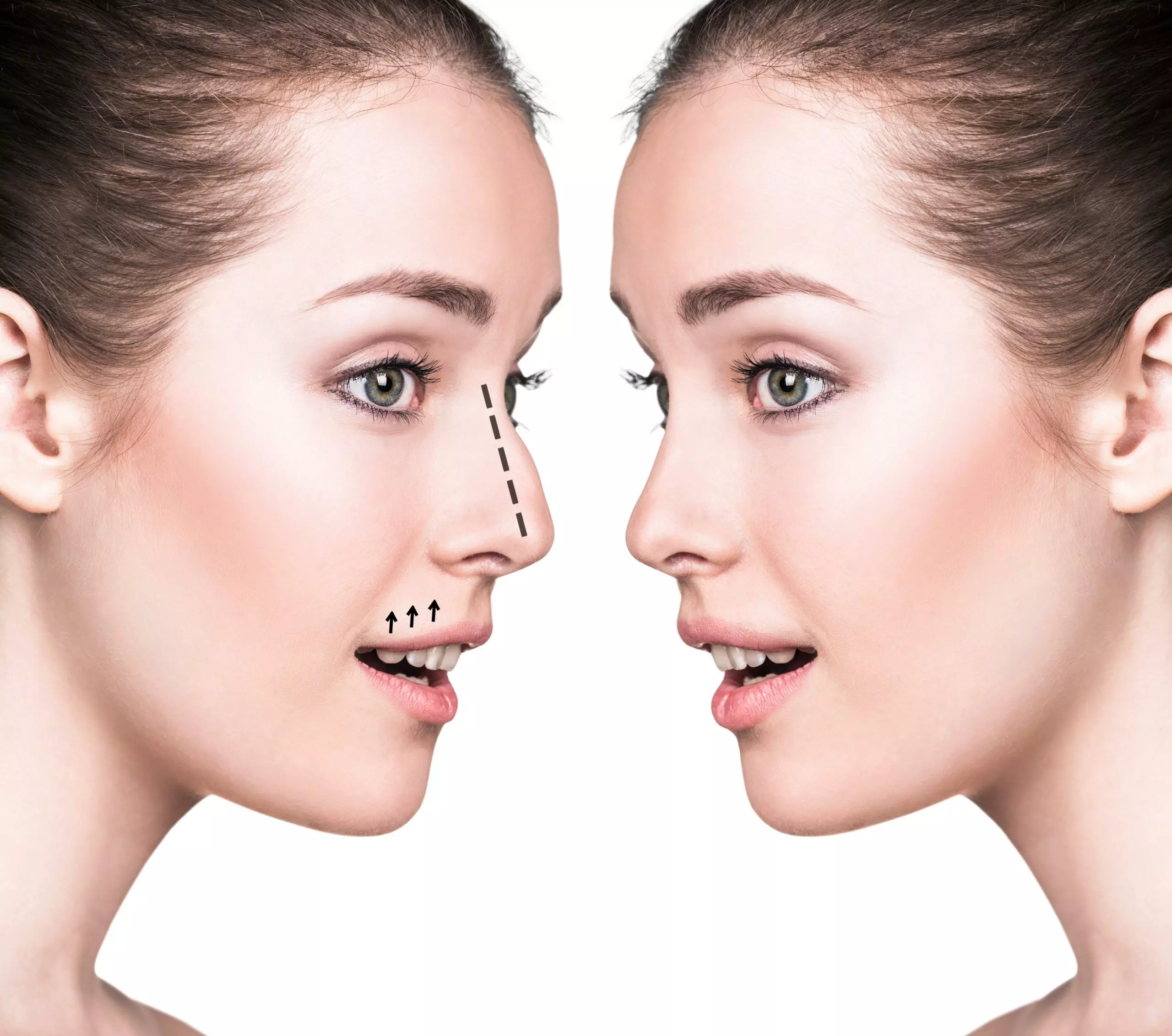
Is Rhinoplasty Suitable for Teenagers or Young Adults?
Rhinoplasty is widely recognized for enhancing facial aesthetics and improving nasal function. For teenagers and young adults, however, questions often arise about the suitability of the procedure. Is it safe? When is the right time to undergo surgery? How does age affect results and recovery?
This guide explores the considerations, benefits, and precautions for young patients considering rhinoplasty, helping families make informed decisions while prioritizing safety and long-term outcomes.
At What Age Is Rhinoplasty Appropriate?
Facial Growth Considerations
Teenagers are still experiencing facial growth, and rhinoplasty should ideally be postponed until:
- Girls: Around 15–16 years old, when nasal growth is largely complete
- Boys: Around 16–17 years old, as male nasal growth often continues slightly longer
Performing surgery too early can interfere with natural development, potentially affecting long-term results and nasal function.
Emotional Readiness
Beyond physical maturity, emotional readiness is essential. Teenagers must understand:
- The procedure, recovery, and potential risks
- Realistic expectations for appearance
- That the nose will continue to settle over months after surgery
Supportive guidance from family and experienced professionals helps ensure responsible decision-making.
Why Young Adults Consider Rhinoplasty?
Cosmetic Reasons
- Correcting nasal humps, wide nostrils, or asymmetry
- Improving facial harmony and self-confidence
- Refining nasal tip or bridge proportions
Functional Reasons
- Addressing breathing difficulties due to a deviated septum
- Correcting structural issues from congenital or traumatic causes
Rhinoplasty can improve both aesthetics and function, making it a versatile option for suitable candidates.
Safety and Suitability for Teenagers:
Comprehensive Assessment:
Before proceeding, surgeons assess:
- Nasal growth and skeletal maturity
- Skin thickness and cartilage strength
- Overall health and medical history
- Functional concerns like breathing issues
This ensures that surgery is safe, effective, and aligned with the patient’s needs.
Surgical Techniques:
Modern rhinoplasty techniques allow for subtle, conservative adjustments, reducing the risk of overcorrection or unnatural results. Surgeons aim to preserve nasal function while achieving proportional aesthetics.
Recovery Considerations:
Recovery for teenagers and young adults is similar to that of adults:
- Mild swelling and bruising during the first 1–2 weeks
- Gradual reduction of swelling over 3–6 months
- Final results visible around 9–12 months
Proper post-operative care, including hydration, rest, and activity management, is essential to support healing.
Psychological and Social Considerations:
Building Confidence:
Teenagers often experience self-consciousness about appearance. Rhinoplasty can positively impact self-esteem when:
- Expectations are realistic
- Surgery addresses specific concerns rather than social pressures
Emotional Support:
Parents, guardians, or mentors play a key role in supporting recovery and helping teenagers navigate the emotional aspects of surgery.
Avoiding Peer Pressure:
It’s important that the decision to undergo rhinoplasty comes from the patient’s own desires and not external pressures, ensuring satisfaction with the results.
Risks and Precautions:
While rhinoplasty is generally safe, young patients must be aware of potential risks:
- Temporary swelling and bruising
- Minor asymmetries that may require revisions
- Rare complications such as infection or nasal obstruction
Choosing a skilled surgeon experienced in treating younger patients minimizes risks and promotes positive outcomes.
Read: Best Cardiologist in Jaipur for Your Heart Health – Dr
FAQs About Rhinoplasty for Teenagers and Young Adults in Dubai:
At what age can teenagers safely have rhinoplasty?
Typically, girls 15–16 and boys 16–17, once nasal growth is complete.
Does rhinoplasty affect facial growth?
When performed after skeletal maturity, it does not interfere with natural growth.
How long is recovery for teenagers?
Most visible swelling resolves in 2–4 weeks, with final results apparent after 9–12 months.
Can rhinoplasty correct both aesthetic and functional issues?
Yes. Modern techniques can improve nasal appearance and resolve breathing problems simultaneously.
How can parents support their teenager?
By ensuring realistic expectations, providing emotional support, and following post-operative care guidelines.
Tips for a Safe and Successful Rhinoplasty:
- Choose an Experienced Surgeon: Expertise in treating teenagers ensures natural results and safety.
- Ensure Skeletal Maturity: Waiting until nasal growth is complete minimizes complications.
- Have Realistic Goals: Focus on proportional improvements rather than perfection.
- Plan Recovery Carefully: Time off school or activities, hydration, and proper care support healing.
- Prioritize Emotional Well-Being: Supportive guidance fosters confidence and satisfaction with results.
Final Thoughts:
Rhinoplasty in Dubai can be a safe and effective option for teenagers and young adults, provided that physical maturity, emotional readiness, and realistic expectations are considered.
When performed at the right age by an experienced professional, rhinoplasty can enhance facial harmony, improve nasal function, and boost confidence—helping young patients feel comfortable and self-assured in their appearance.