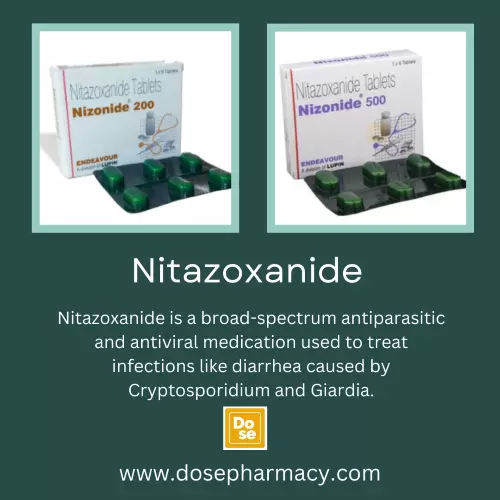
Is Nitazoxanide effective for diarrhea caused by parasites?
Diarrhea is a common symptom of gastrointestinal infections, and in many cases, it’s caused by parasites rather than bacteria or viruses. One of the medications increasingly recognized for its broad antiparasitic action is Nitazoxanide 500 mg. Originally developed to treat parasitic infections, it is now used worldwide as an effective treatment for certain types of infectious diarrhea.
In this article, we’ll explore how Nitazoxanide works, what types of parasitic infections it treats, its effectiveness in clinical settings, how it's used, and what patients should know before taking it.
🔍 What Is Nitazoxanide?
Nitazoxanide 200 mg is a broad-spectrum antiparasitic and antiviral drug used primarily to treat intestinal infections. It is approved by the U.S. FDA for the treatment of diarrhea caused by Giardia lamblia and Cryptosporidium parvum—two of the most common parasites responsible for diarrheal illness, particularly in children and immunocompromised individuals.
Nitazoxanide belongs to a class of medications known as thiazolides, which inhibit anaerobic energy metabolism in parasites, making it difficult for them to grow and reproduce.
💩 What Parasitic Infections Cause Diarrhea?
Several intestinal parasites can lead to diarrhea, especially in areas with poor sanitation. These include:
- Giardia lamblia – causes giardiasis, often from contaminated water
- Cryptosporidium parvum – causes cryptosporidiosis, a waterborne illness
- Entamoeba histolytica – leads to amoebiasis, which can cause bloody diarrhea
- Blastocystis hominis – its role is controversial but may cause symptoms in some
- Isospora belli – a less common cause, but seen in immunocompromised patients
While there are various antiparasitic medications available, Nitazoxanide is especially useful for treating Giardia and Cryptosporidium, even in difficult cases.
✅ How Does Nitazoxanide Work?
Nitazoxanide works by interfering with the energy production process of parasites. Specifically, it blocks an enzyme called pyruvate:ferredoxin oxidoreductase (PFOR), which is vital for anaerobic metabolism. Without energy, the parasite cannot survive or multiply.
What makes Nitazoxanide particularly effective is that it targets the parasites in the intestine without being heavily absorbed into the bloodstream. This localized action helps minimize systemic side effects while directly addressing the infection.
📊 How Effective Is Nitazoxanide for Diarrhea?
1. Giardiasis (Giardia lamblia infection)
Giardiasis causes symptoms such as watery diarrhea, abdominal cramps, nausea, and weight loss. Multiple studies have confirmed Nitazoxanide's effectiveness:
- A study published in The American Journal of Tropical Medicine and Hygiene showed that Nitazoxanide cured giardiasis in up to 85% of patients after a 3-day course.
- It is as effective as metronidazole, the traditional treatment, but has fewer side effects and shorter treatment duration.
2. Cryptosporidiosis (Cryptosporidium parvum infection)
Cryptosporidium causes severe watery diarrhea, especially in children and immunocompromised individuals, including HIV/AIDS patients.
- Nitazoxanide is the only FDA-approved treatment for cryptosporidiosis in immunocompetent individuals.
- In a controlled trial, Nitazoxanide significantly reduced diarrhea and parasite shedding in children.
- Its effectiveness is limited in severely immunocompromised patients, but it may still provide some benefit when used alongside antiretroviral therapy.
3. Other Parasitic Diarrhea
Although not officially approved for all parasites, Nitazoxanide has shown activity against:
- Entamoeba histolytica
- Isospora belli
- Blastocystis hominis
Its broad action and favorable safety profile make it a useful off-label option in certain cases, especially when the exact cause of infection is unclear.
👶 Use in Children
Nitazoxanide is safe and effective for children over 1 year of age. It is available in liquid suspension form, making it easier to administer to young children. Pediatric studies show rapid symptom resolution and high tolerability.
💊 Dosage and Duration
Nitazoxanide is typically taken for 3 days, but the exact dose depends on age and body weight:
- Adults and children ≥12 years: 500 mg every 12 hours with food for 3 days
- Children 4–11 years: 200 mg every 12 hours for 3 days
- Children 1–3 years: 100 mg every 12 hours for 3 days
It should be taken with food to enhance absorption and reduce stomach upset.
⚠️ Side Effects and Safety
Nitazoxanide is generally well tolerated. Common side effects include:
- Nausea
- Abdominal pain
- Headache
- Discolored urine (harmless and temporary)
It is considered safe in pregnancy (Category B), but should still be used only under medical advice. Always inform your doctor if you are taking other medications, although Nitazoxanide has few known drug interactions.
🌍 Why Nitazoxanide Is Important in Developing Countries
In resource-limited settings where parasitic diarrhea is a major cause of illness and mortality, especially among children, Nitazoxanide offers several advantages:
- Affordable and widely available
- Short course of treatment
- Well tolerated and effective
- Treats both Giardia and Cryptosporidium, common in contaminated water sources
Its inclusion in the World Health Organization’s list of essential medicines highlights its global importance in public health.
❓ When to Use Nitazoxanide
You may be prescribed Nitazoxanide if:
- You test positive for Giardia or Cryptosporidium via stool test
- You have persistent watery diarrhea of unknown cause
- You live or have traveled to areas where waterborne parasitic infections are common
- You’ve failed standard treatments like metronidazole or tinidazole
Nitazoxanide is a highly effective treatment for diarrhea caused by parasites, particularly Giardia lamblia and Cryptosporidium parvum. Its short treatment course, safety profile, and broad-spectrum antiparasitic activity make it an excellent option for both adults and children.
While not a cure-all for every parasitic infection, it fills an important role in treating parasitic diarrhea, especially in populations where access to clean water and sanitation is limited. If you or your child are experiencing persistent diarrhea, especially after travel or exposure to contaminated water, consult a healthcare provider to determine if Nitazoxanide is the right treatment.